





Table of Contents
- Introduction
- Energy Efficiency: Save Energy, Save Costs
- Water Conservation: Use Every Drop Wisely
- Sustainable Building Materials: Green from the Ground Up
- Smart Home Technology: Intelligent Sustainability
- Indoor Air Quality: Breathing Clean and Fresh
- Renewable Energy Integration: Reduce Carbon Footprints
- Location and Landscaping: Eco-Friendly Outdoors
- Conclusion
- Faq's
Introduction
As the world embraces sustainability, eco-friendly homes are becoming the future of real estate. Designed to reduce environmental impact while promoting energy efficiency and healthier living, these homes offer long-term benefits for both the planet and homeowners. But what makes a home eco-friendly? From renewable energy sources to sustainable materials, there are several features to look for. Let's explore the characteristics and key features of eco-friendly houses.
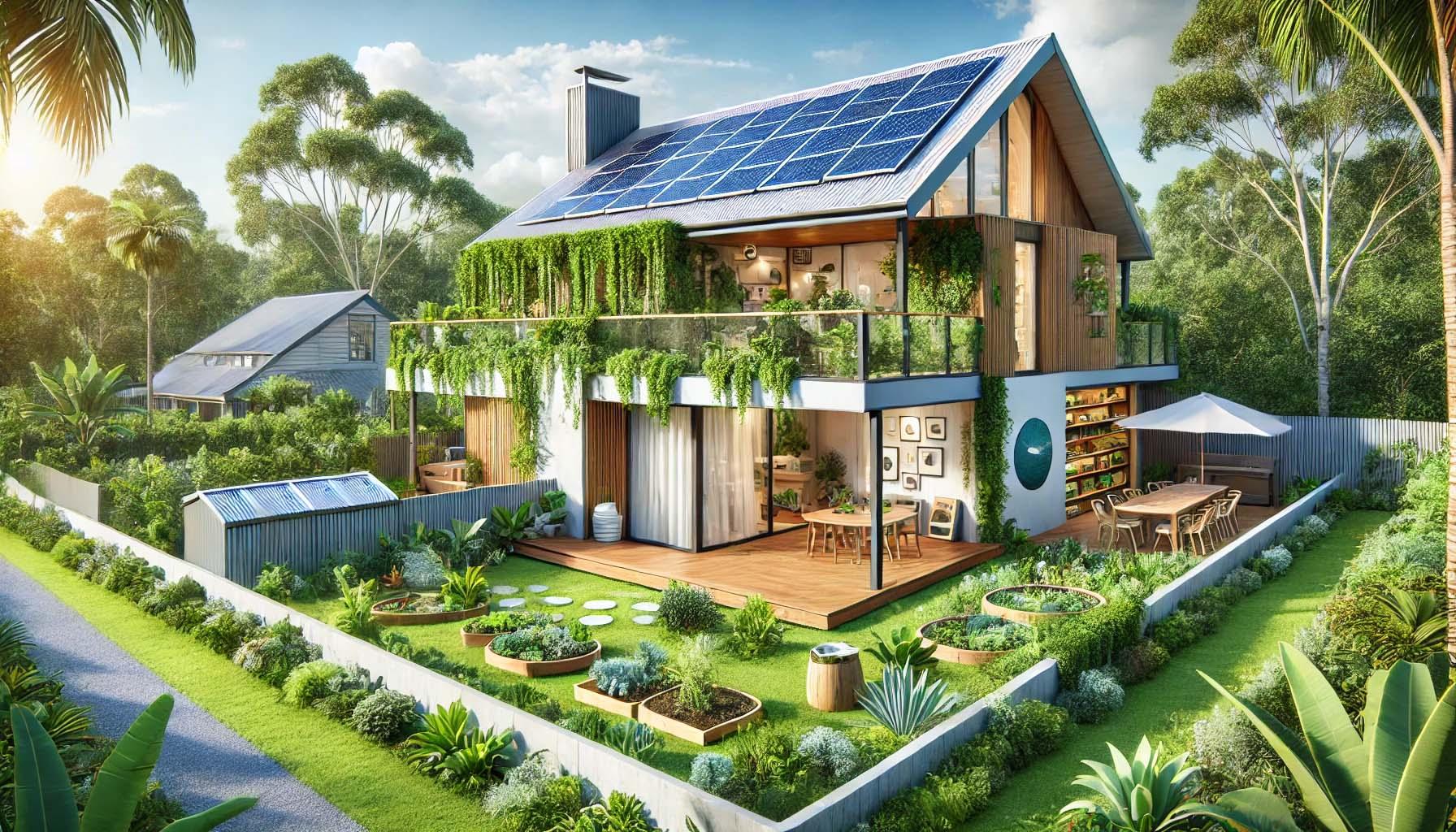 Eco-friendly Homes
Energy Efficiency: Save Energy, Save Costs
Energy efficiency is at the heart of eco-friendly homes. Look for:
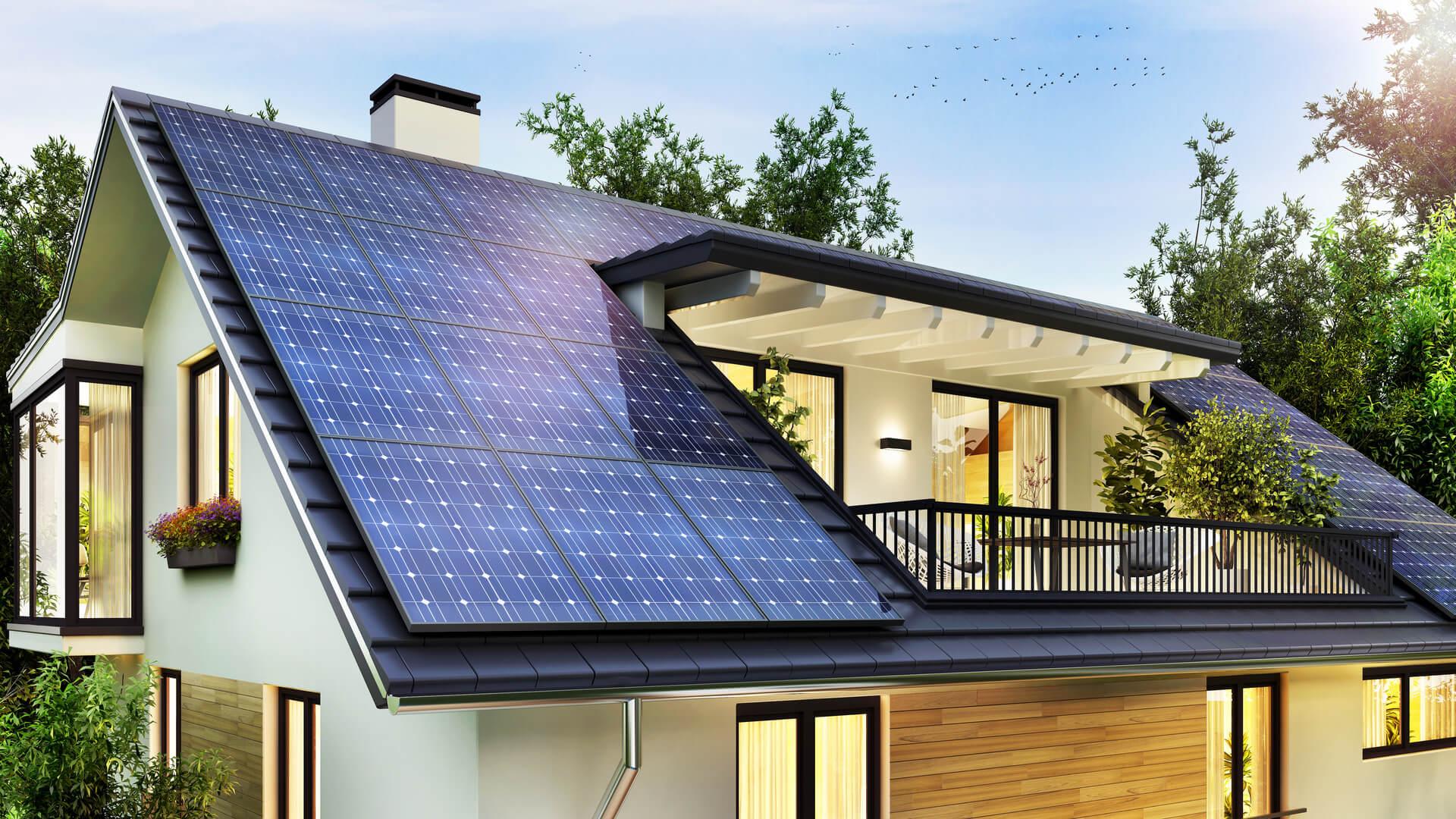
- Solar Panels: Convert sunlight into electricity, reducing reliance on fossil fuels.
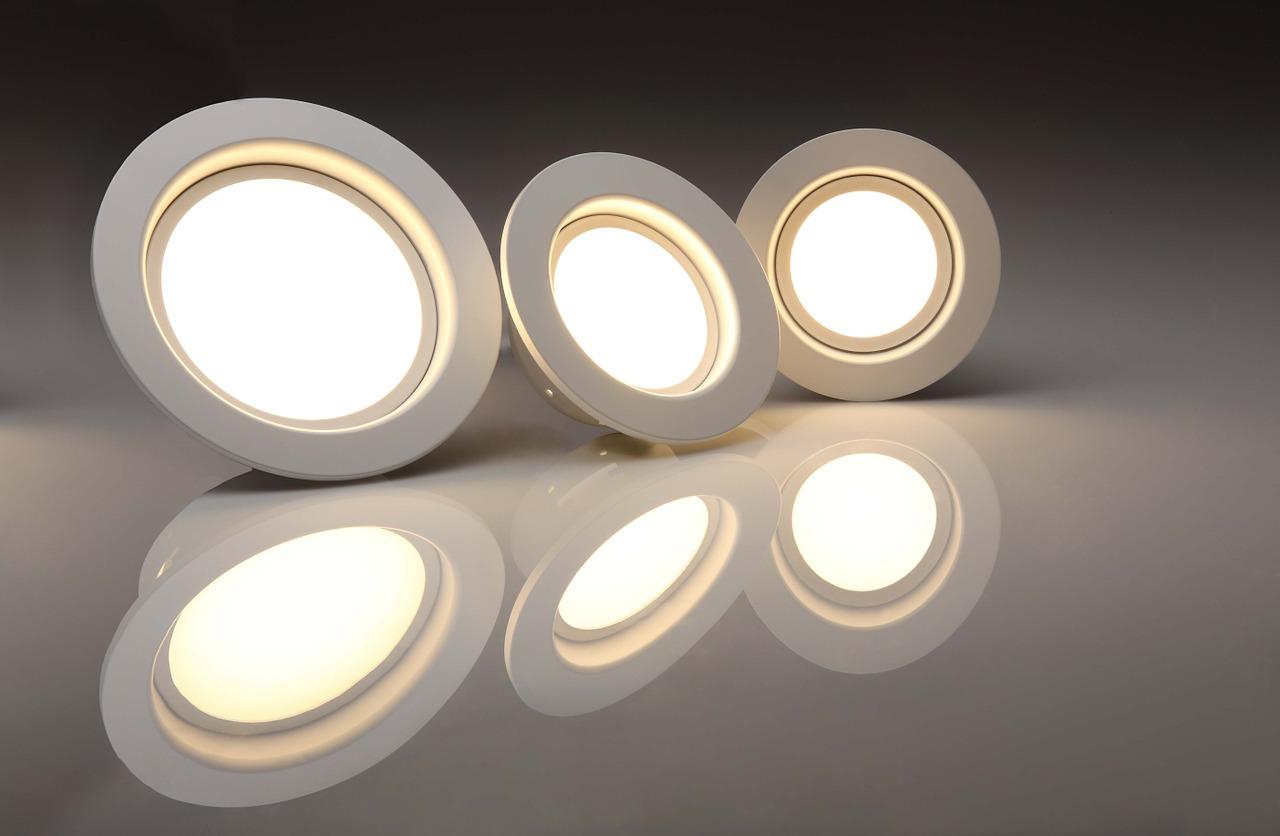
- LED Lighting: Lasts longer and consumes less energy than traditional bulbs.
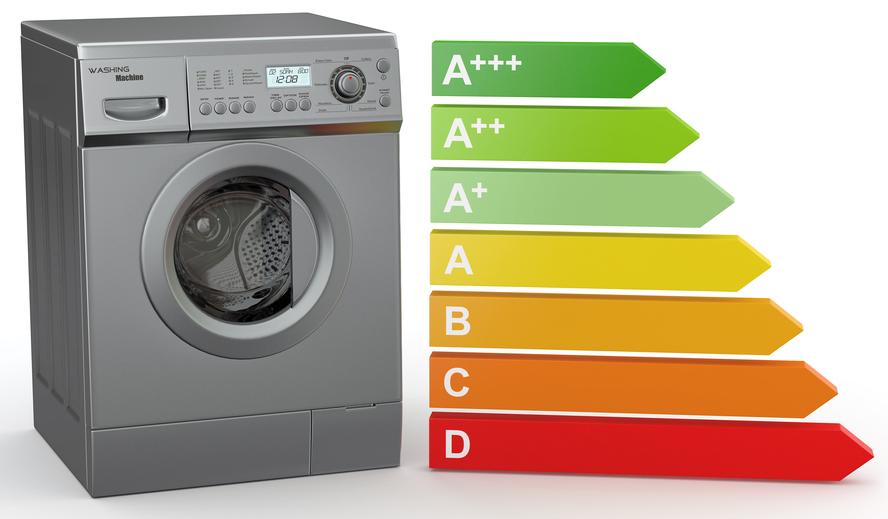
- Energy Star Appliances: Certified appliances that use minimal energy without compromising performance.
Water Conservation: Use Every Drop Wisely
Eco-friendly homes prioritize water efficiency with features such as:
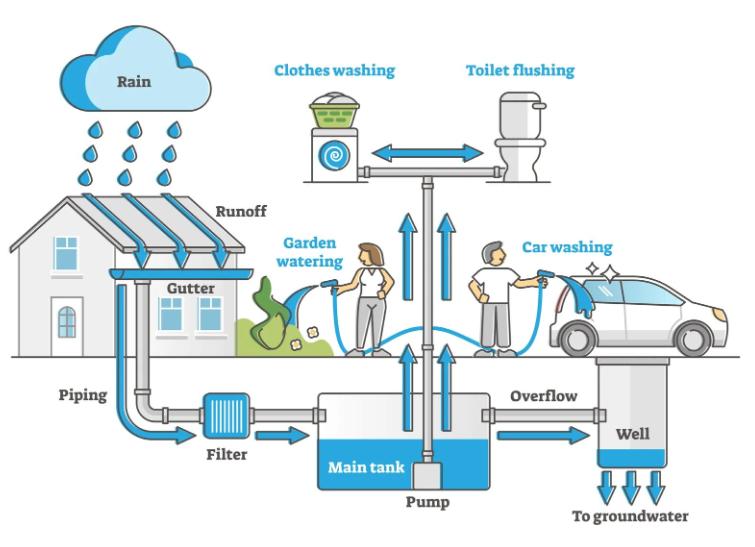
- Rainwater Harvesting Systems: Collect and store rainwater for non-drinking purposes like gardening or cleaning.
- Low-Flow Fixtures: Showerheads, taps, and toilets designed to reduce water consumption.

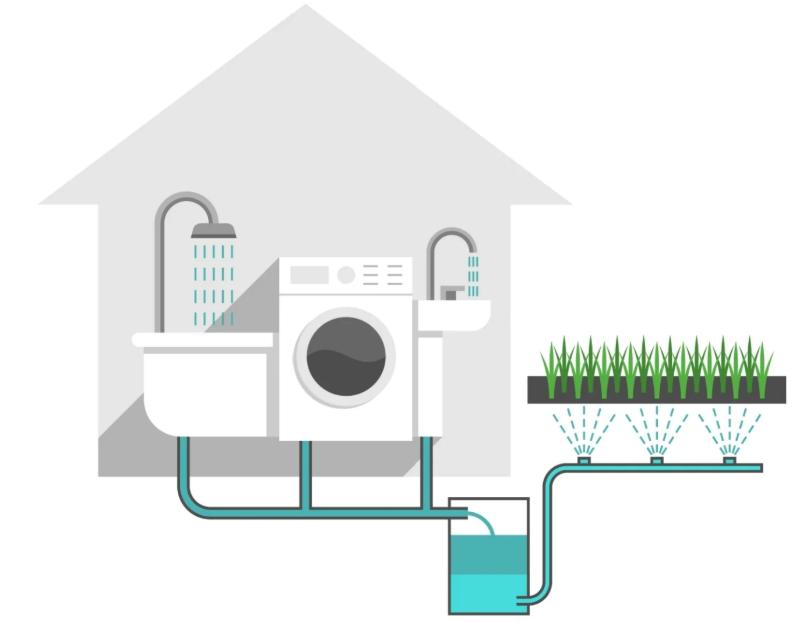
- Greywater Recycling: Reuse water from sinks and showers for irrigation.
Sustainable Building Materials: Green from the Ground Up
Sustainable materials minimize environmental damage. Key materials include:
- Recycled Wood and Metal: Reduce waste by repurposing materials.
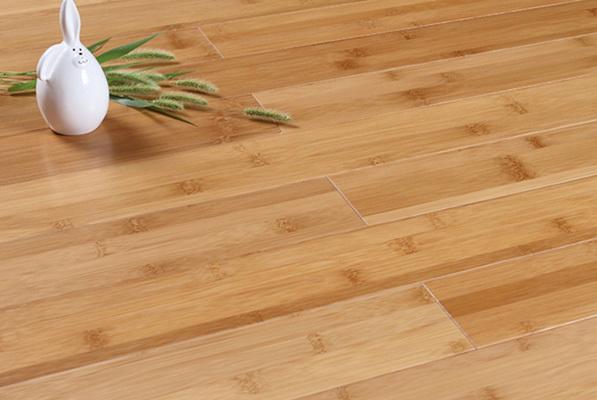
- Bamboo Flooring: A fast-growing, renewable alternative to hardwood.
- Low-VOC Paints: Ensure healthier indoor air quality by reducing harmful emissions.
Smart Home Technology: Intelligent Sustainability
Smart homes help optimize energy and resource usage. Key features include:
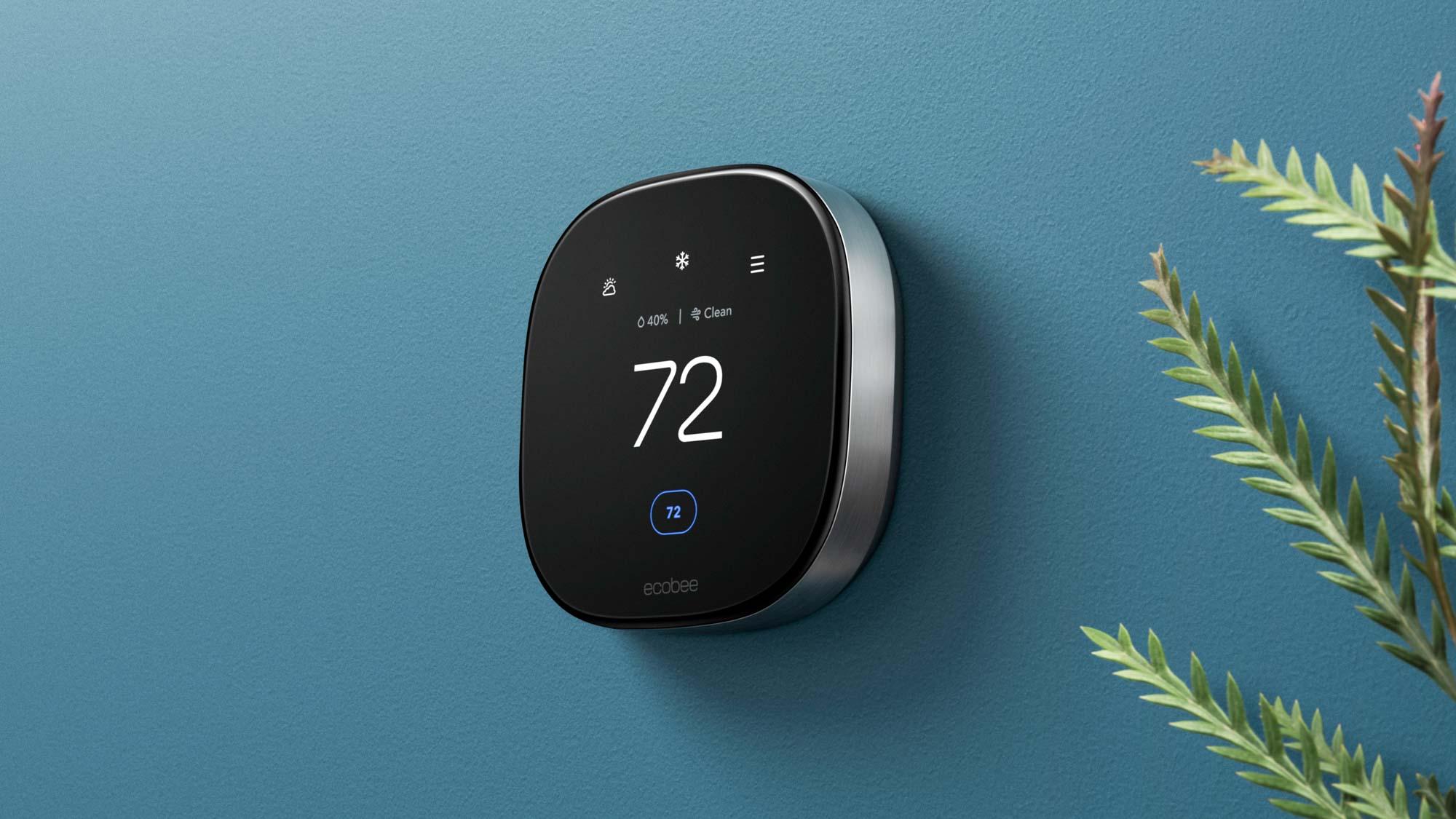
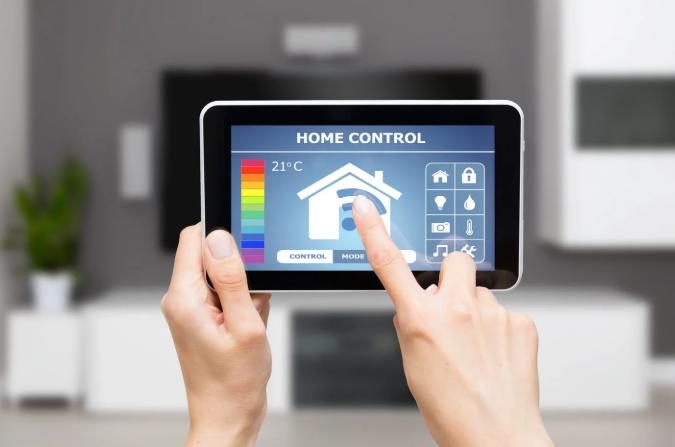
- Smart Thermostats: Automatically adjust heating and cooling to save energy.
- Automated Lighting Systems: Sensors and timers reduce energy wastage.
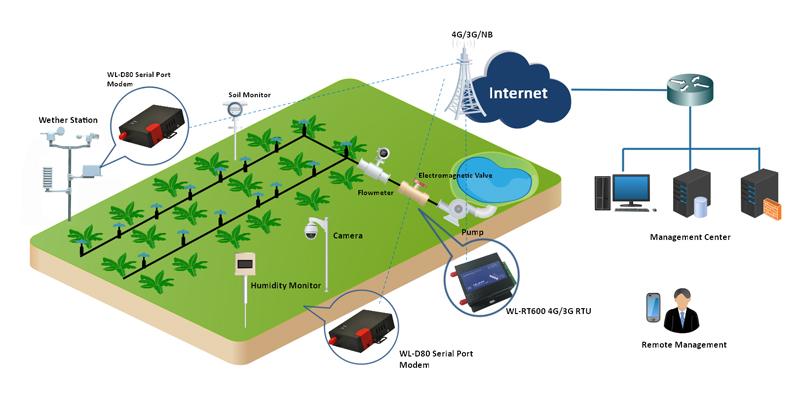
- Smart Irrigation Systems: Water gardens based on weather conditions and soil moisture levels.
Indoor Air Quality: Breathing Clean and Fresh
Eco-friendly homes focus on improving indoor air quality. Look for:
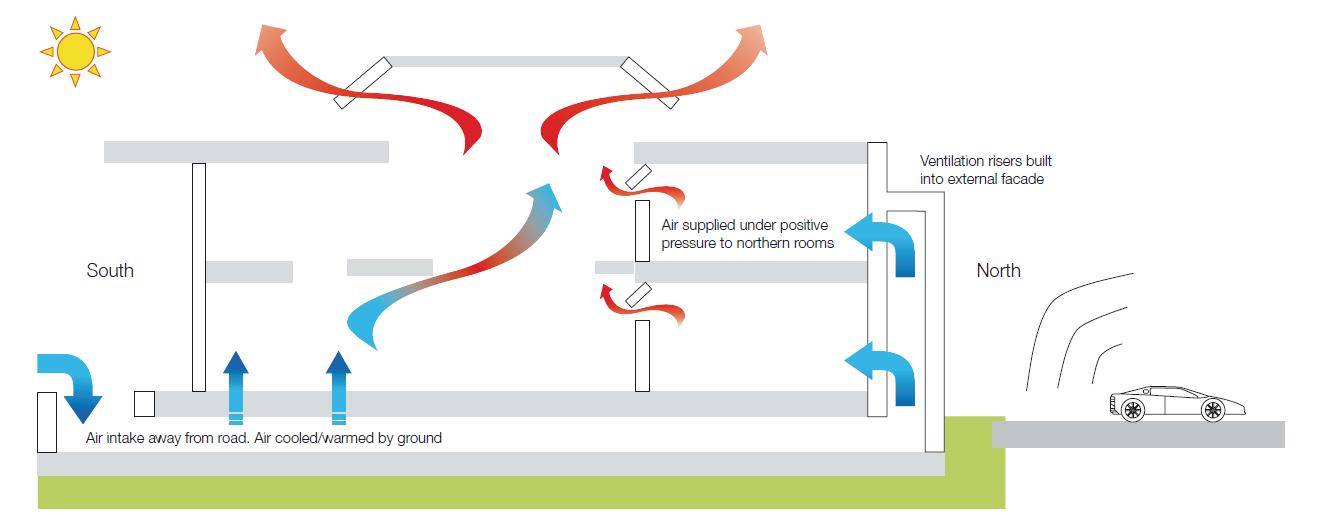
- Natural Ventilation: Properly placed windows and vents reduce the need for air conditioning.
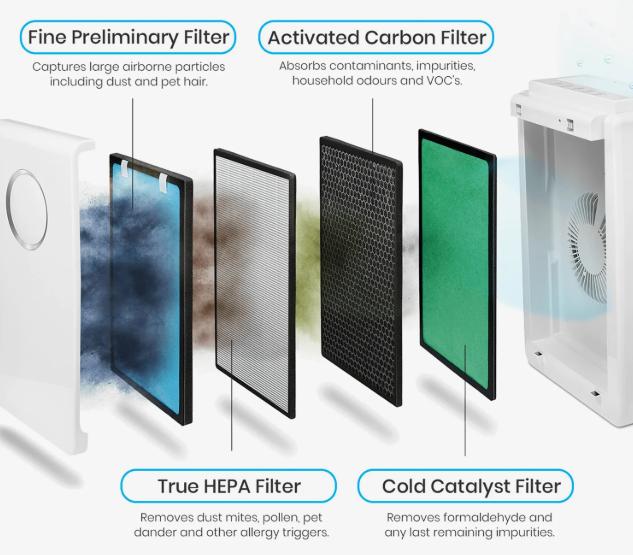
- HEPA Air Filters: Trap allergens and pollutants for cleaner air.
- Indoor Plants: Act as natural air purifiers while adding a touch of greenery.
Renewable Energy Integration: Reduce Carbon Footprints
Homes powered by renewable energy sources, such as solar, wind, or geothermal systems, are central to eco-friendly living.
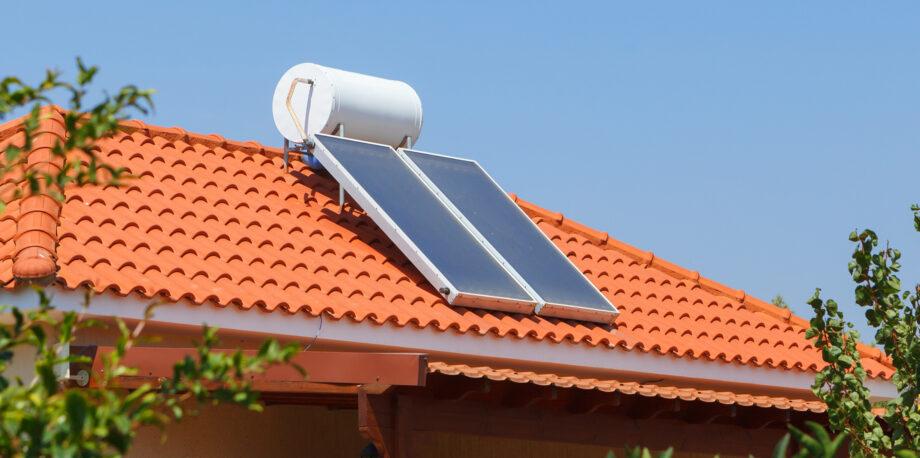
- Solar Water Heaters: Use solar energy to heat water efficiently.
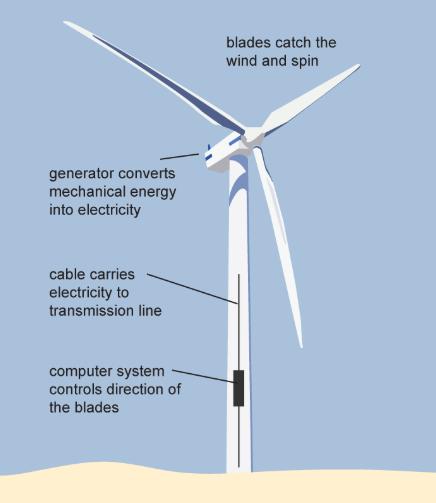
- Wind Turbines: Generate electricity for rural or suburban areas.
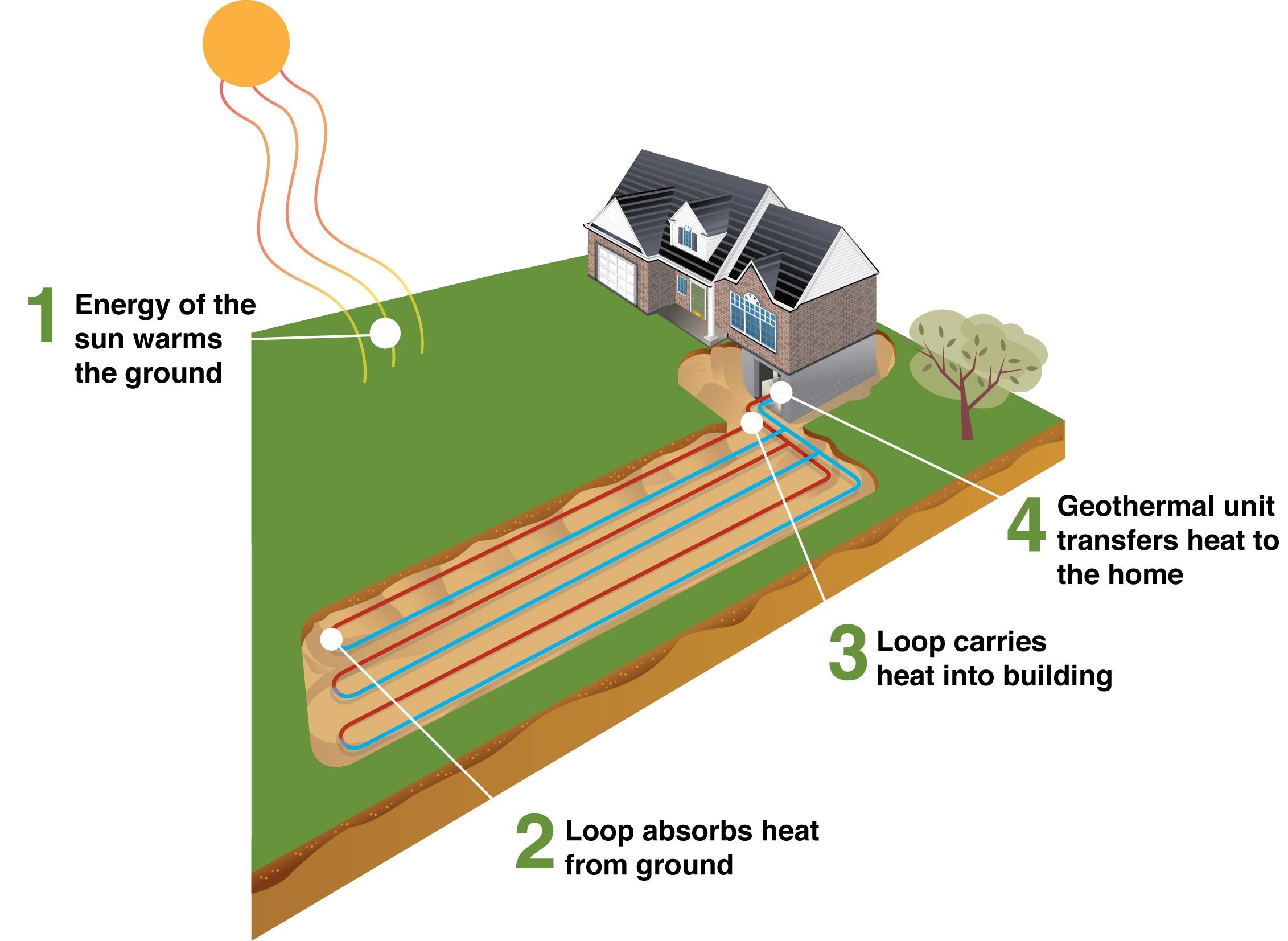
- Geothermal Systems: Use the Earth's natural heat for heating and cooling.
Location and Landscaping: Eco-Friendly Outdoors
Eco-conscious landscaping and location choices make a difference.
- Native Plants: Require less water and maintenance.
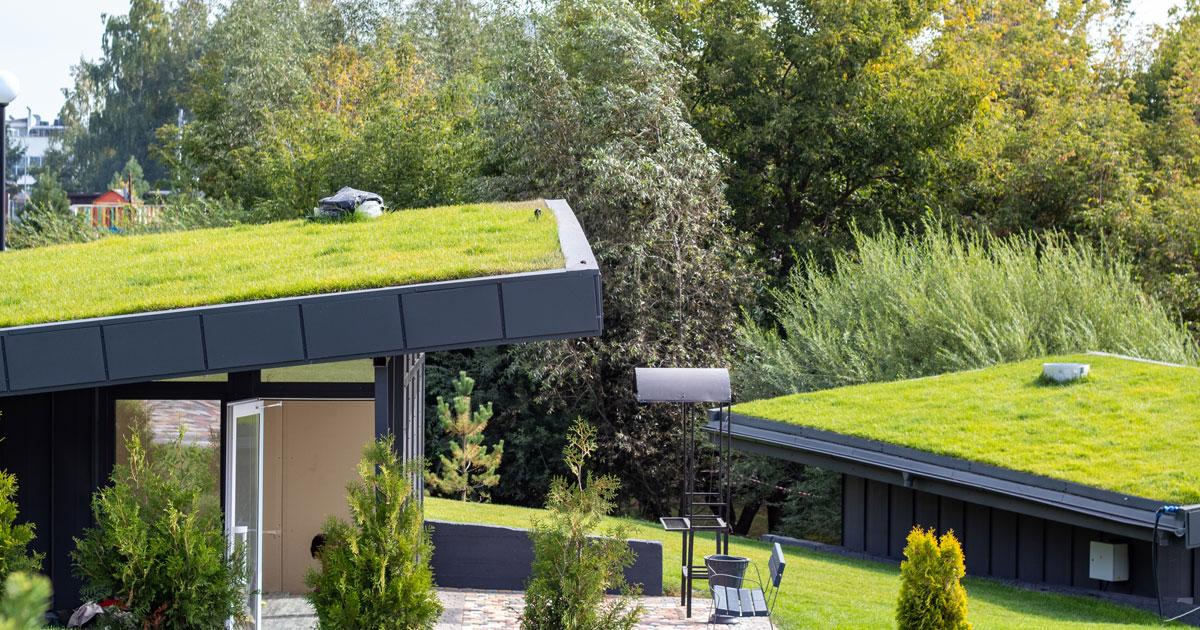
- Green Roofs: Add insulation and improve energy efficiency while providing a natural aesthetic.
- Walkability: Homes near essential services reduce dependence on cars, lowering carbon emissions.
Conclusion
Eco-friendly homes are more than just a trend, they represent a commitment to sustainable living. By incorporating energy-efficient systems, water conservation measures, sustainable materials, and smart technologies, these homes not only benefit the environment but also improve quality of life for homeowners. Whether you're building, buying, or renovating, prioritizing eco-friendly features is a step toward a greener, more sustainable future.

explore further
Latest from Home Buying Tips
More from Recommendations
Resources


