





Table of Contents
- Introduction
- Understanding Asbestos and Its Impact on Property Sales
- Legal Obligations: Disclosure Laws and Regulations
- Assessing the Situation: Inspection, Testing, and Risk Assessment
- Mitigation Options: Abatement vs. Encapsulation
- Negotiating the Sale: Pricing, Concessions, and Buyer Concerns
- Finding the Right Buyer
- Conclusion
- Faq's
Introduction
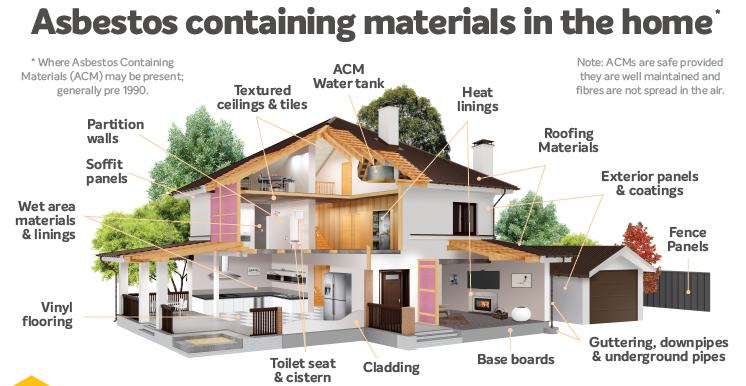
Selling a home is a major undertaking, and uncovering asbestos during the process can add layers of complexity and anxiety. Many older homes, built before the 1980s, contain asbestos in materials like insulation, flooring, and roofing. While asbestos isn't necessarily dangerous if left undisturbed, its presence can raise concerns for potential buyers and impact your selling strategy.
Selling a house with asbestos can be daunting, both for sellers and potential buyers. Asbestos, a hazardous material commonly used in construction, poses significant health risks, which can complicate the home selling process. This article will walk you through essential steps to navigate the sale while adhering to regulations and protecting your interests.
Understanding Asbestos and Its Impact on Property Sales
What is Asbestos?
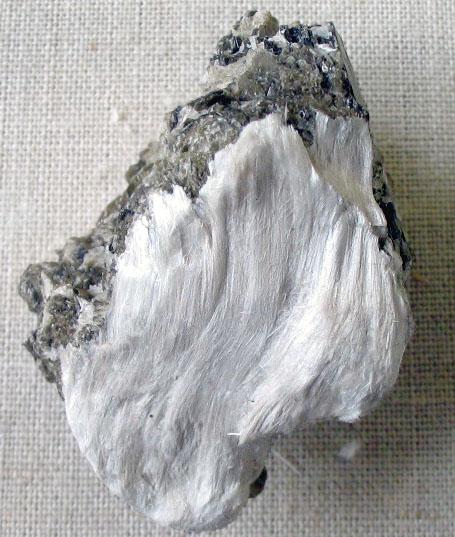
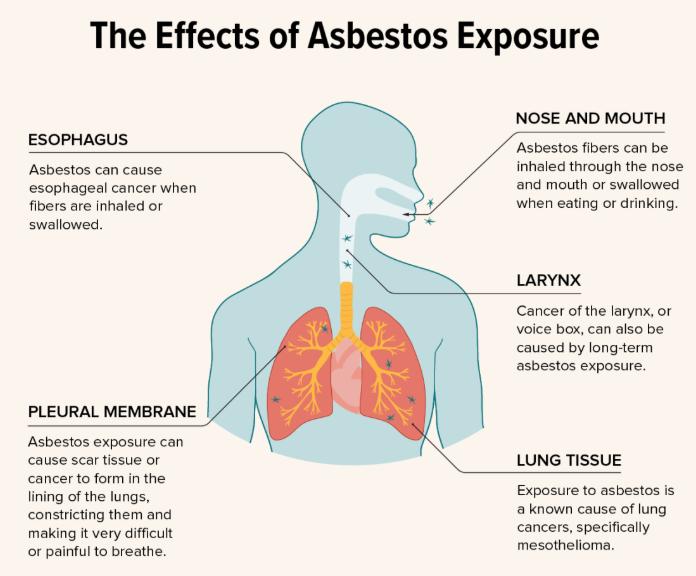
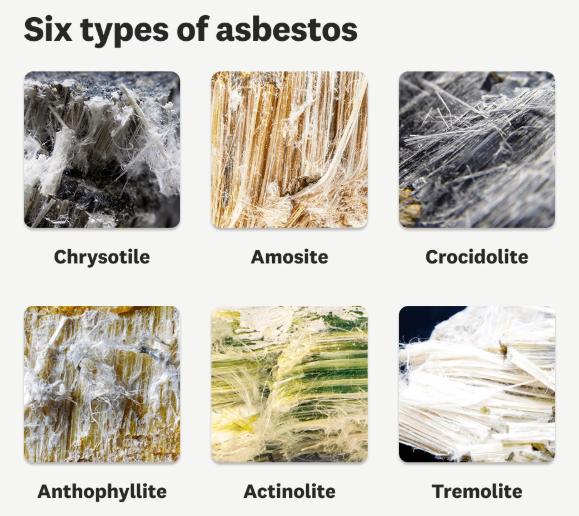
Asbestos refers to a group of naturally occurring minerals known for their heat resistance and durability. Commonly found in older buildings, it was widely used in insulation, flooring, and roofing materials. However, the inhalation of asbestos fibers can lead to serious health conditions, including lung cancer and mesothelioma.
Why Asbestos Matters When Selling:
- Health Concerns: Potential buyers are naturally concerned about the health risks associated with asbestos.
- Disclosure Requirements: Many jurisdictions have strict laws requiring sellers to disclose the presence of asbestos.
- Property Value: The presence of asbestos can potentially lower your property's value, as buyers may factor in the cost of abatement (removal) or encapsulation (sealing).
- Inspection and Testing: Buyers will likely request inspections, including asbestos testing, during the due diligence period.
- Liability: Failure to disclose asbestos can lead to legal repercussions down the line.
Legal Obligations: Disclosure Laws and Regulations
One of the most crucial aspects of selling a house with asbestos is understanding your legal obligations. Disclosure laws vary significantly depending on your location (state, county, and sometimes even city).
Key Considerations:
- "As-Is" Sales: Selling a property "as-is" doesn't necessarily absolve you of the responsibility to disclose known asbestos. Many jurisdictions require disclosure regardless.
- Material Fact: Asbestos is generally considered a "material fact" that could influence a buyer's decision.
- State and Local Laws: Research your specific state and local laws regarding asbestos disclosure. Consult with a real estate attorney to ensure compliance.
- Documentation: Keep detailed records of any asbestos testing, abatement work, or encapsulation measures you've taken.
Failure to disclose asbestos can lead to:
- Lawsuits: Buyers can sue you for damages if they discover undisclosed asbestos after the sale.
- Rescission of the Sale: In some cases, a buyer may be able to rescind the sale agreement.
- Penalties: You may face fines or other penalties from regulatory agencies.
Assessing the Situation: Inspection, Testing, and Risk Assessment
Before you even list your property, it's wise to conduct a thorough assessment to determine the extent of the asbestos present and its potential impact.
Steps to Take:
- Professional Asbestos Inspection: Hire a qualified asbestos inspector to identify and sample suspected asbestos-containing materials (ACMs).
- Laboratory Testing: Send the samples to a certified laboratory for analysis. The lab report will confirm the presence and type of asbestos.
- Risk Assessment: Evaluate the condition of the ACMs. Is the asbestos friable (easily crumbled) or non-friable (intact)? Friable asbestos poses a greater risk of releasing fibers into the air.
- Consider an Environmental Report: A comprehensive environmental report can provide a detailed assessment of all potential environmental hazards on the property, including asbestos.
Mitigation Options: Abatement vs. Encapsulation
Once you know the extent of the asbestos, you have two primary options:
- Abatement (Removal): This involves completely removing the asbestos-containing materials. It must be done by a licensed and certified asbestos abatement contractor following strict safety protocols. Abatement is the most thorough solution but also the most expensive.
- Encapsulation (Sealing): This involves sealing or covering the asbestos-containing materials to prevent the release of fibers. Encapsulation is a less expensive option but may not be suitable for all situations. It's often a viable option for asbestos in good condition and unlikely to be disturbed.
Factors to consider when choosing between abatement and encapsulation:
- Cost: Abatement is generally more expensive than encapsulation.
- Condition of the Asbestos: Friable asbestos is usually best removed.
- Future Plans: If the buyer plans to renovate, abatement might be the better long-term solution.
- Local Regulations: Some jurisdictions may have specific requirements for asbestos management.
Negotiating the Sale: Pricing, Concessions, and Buyer Concerns
Selling a house with asbestos requires a strategic approach to negotiation.
Tips for a Successful Sale:
- Transparency is Key: Be upfront and honest with potential buyers about the presence of asbestos.
- Competitive Pricing: Price your property competitively, taking into account the cost of potential abatement or encapsulation.
- Offer Concessions: Consider offering concessions, such as a credit towards abatement or encapsulation, to address buyer concerns.
- Highlight the Positives: Emphasize the positive aspects of your property, such as its location, size, and other features.
- Professional Representation: Work with a real estate agent who has experience selling properties with environmental concerns.
- Be Prepared to Answer Questions: Anticipate questions from buyers and be prepared to provide clear and accurate answers.
- Consider an Asbestos Management Plan: If abatement isn't feasible, create a detailed asbestos management plan to reassure buyers.
Finding the Right Buyer
Not all buyers are comfortable with asbestos. Some buyers are more risk-averse than others. It's important to target buyers who are:
- Investors: Investors may be more willing to purchase a property with asbestos if the price is right.
- Contractors: Contractors may have the skills and resources to manage asbestos themselves.
- Buyers Willing to Renovate: Buyers who plan to renovate the property may be willing to handle asbestos abatement as part of their renovation plans.
Conclusion
Selling a house with asbestos presents challenges, but it's definitely achievable with the right knowledge and approach. By understanding your legal obligations, conducting thorough inspections, considering mitigation options, and being transparent with potential buyers, you can navigate the process successfully. Remember to consult with qualified professionals, including real estate attorneys, asbestos inspectors, and abatement contractors, to ensure compliance and protect your interests. With careful planning and execution, you can sell your property with confidence and achieve a positive outcome.

explore further
Latest from Home Buying Tips
More from Recommendations
Resources


