




Table of Contents
- Introduction
- Sustainable Building Materials
- Conclusion
- Faq's
Introduction
With rising environmental concerns and the need for energy-efficient housing, sustainable construction has shifted from being a trend to a necessity. Choosing the right building materials is one of the most impactful decisions in the process of constructing a home. Not only do green materials reduce environmental damage, but they also lead to better air quality, lower energy consumption, and long-term cost savings.
Sustainable building materials are designed to have minimal impact on the environment, both during their production and throughout their lifecycle. From recycled content to locally sourced natural materials, builders today have an expansive list of eco-conscious options. Here's a comprehensive look at the top sustainable building materials to consider for your next residential project.
Sustainable Building Materials
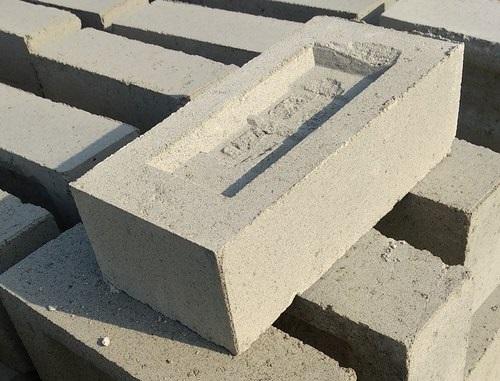
1. Fly Ash Bricks
Fly ash bricks are made from industrial by-products such as fly ash, lime, and gypsum. These bricks offer superior strength, durability, and insulation compared to traditional red bricks.
Benefits:
- Lower water absorption
- Better thermal insulation
- Resistant to fire and pests
- Reduces landfill waste from coal industries
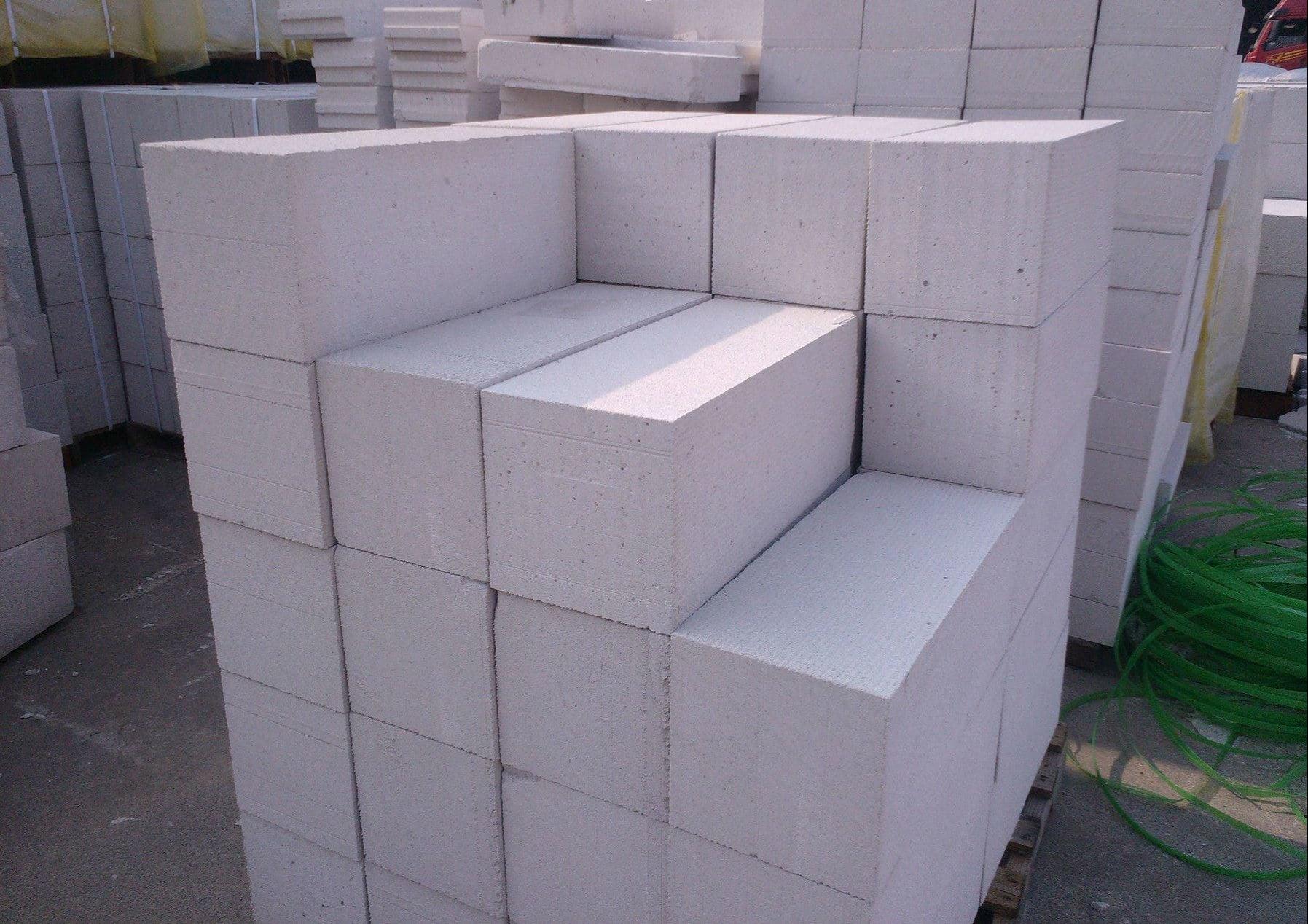
2. Autoclaved Aerated Concrete (AAC)
Blocks AAC blocks are lightweight, precast foam concrete blocks offering excellent thermal insulation and energy efficiency.
Benefits:
- Faster construction with less labor
- Fire- and earthquake-resistant
- Reduces the structural load
- Minimizes cement and steel usage
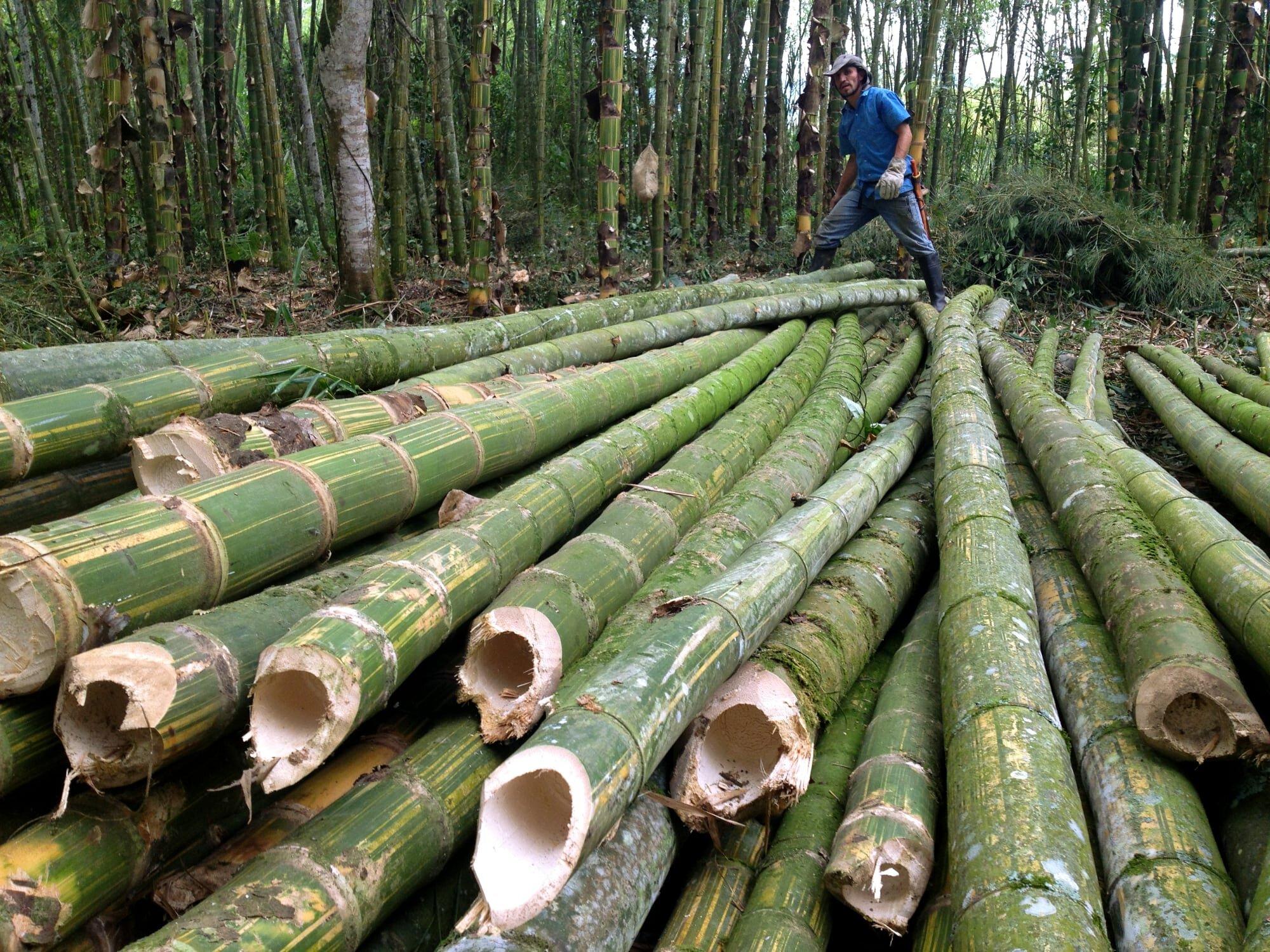
3. Bamboo
Often called "green steel," bamboo is one of the most renewable construction materials available. It's fast-growing, extremely strong, and ideal for structural applications.
Benefits:
- Naturally renewable and biodegradable
- High tensile strength
- Lightweight and flexible
- Cost-effective for structural frameworks and paneling
4. Recycled Steel
Steel is one of the most recycled materials globally. Using recycled steel reduces energy use and cuts down on mining operations.
Benefits:
- Extremely durable and fire-resistant
- Can be prefabricated for faster installation
- Lowers embodied energy in construction
- Minimal material wastage

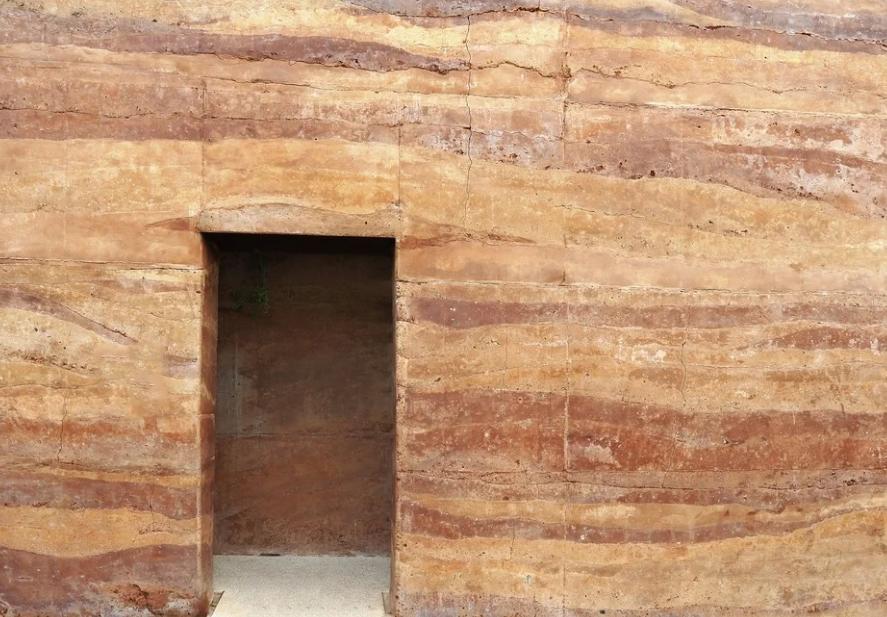
5. Rammed Earth
Rammed earth construction involves compacting a mixture of earth, chalk, lime, or gravel into a solid wall. This traditional technique is making a comeback due to its sustainability.
Benefits:
- Provides thermal mass to maintain indoor temperatures
- Minimal environmental impact
- Long-lasting and low-maintenance
- Aesthetic appeal with natural textures
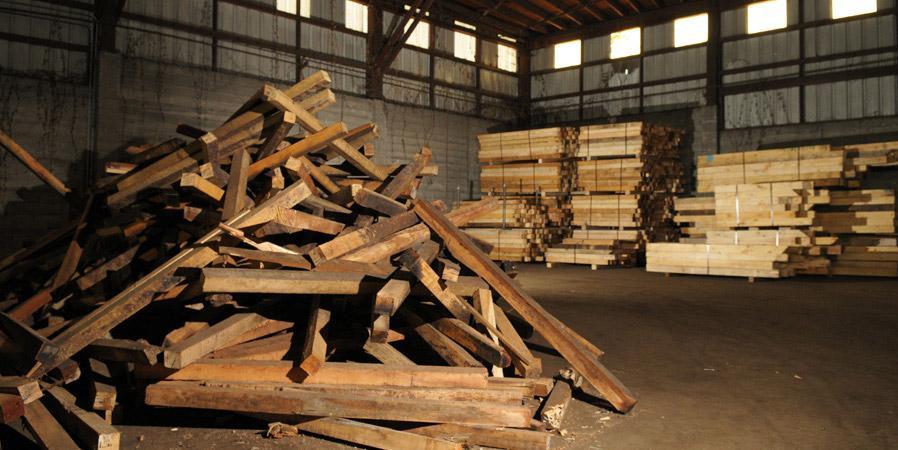
6. Reclaimed Wood
Reclaimed wood is salvaged from old buildings, factories, and warehouses. It's reused for flooring, beams, paneling, and furniture.
Benefits:
- Reduces demand for new timber
- Unique aged appearance
- Strong and well-seasoned
- Promotes circular construction practices
7. Lime Plaster and Limecrete
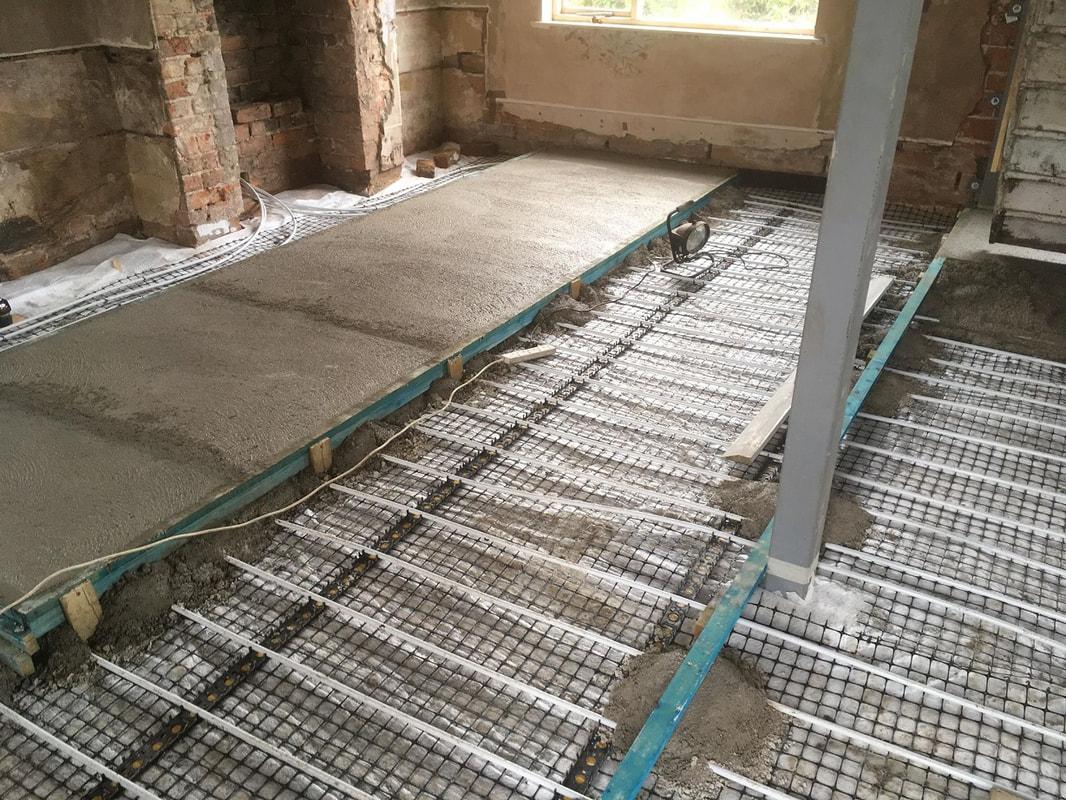
Lime-based materials are traditional alternatives to cement-based concrete and plaster.
Benefits:
- Breathable and allows moisture to escape
- Reduces the urban heat island effect
- Has a lower carbon footprint than Portland cement
- Naturally antibacterial and anti-mold
8. Hempcrete
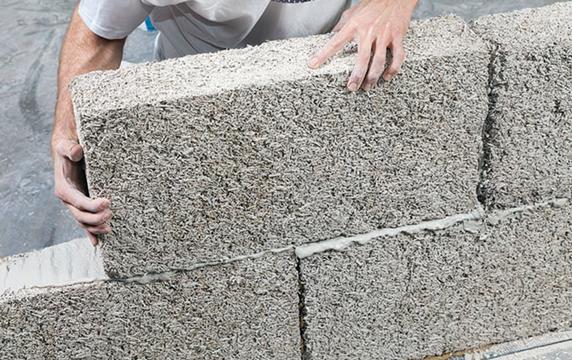
Hempcrete is a bio-composite made from the inner woody core of the hemp plant mixed with a lime-based binder.
Benefits:
- Lightweight and insulating
- Carbon-negative during growth phase
- Mold and pest-resistant
- Ideal for non-load-bearing walls
8. Terracotta and Clay Products
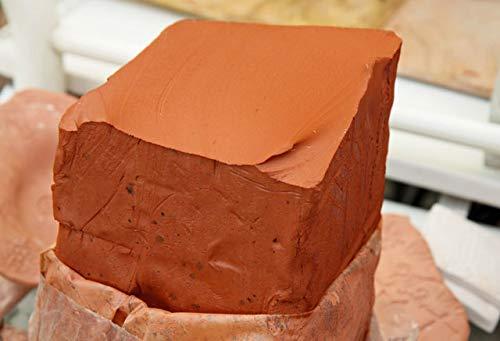
Terracotta tiles, bricks, and panels are made using natural clay and baked at high temperatures.
Benefits:
- Naturally regulates temperature
- Aesthetic value with earthy tones
- Energy-efficient production methods
- Long lifespan with minimal maintenance
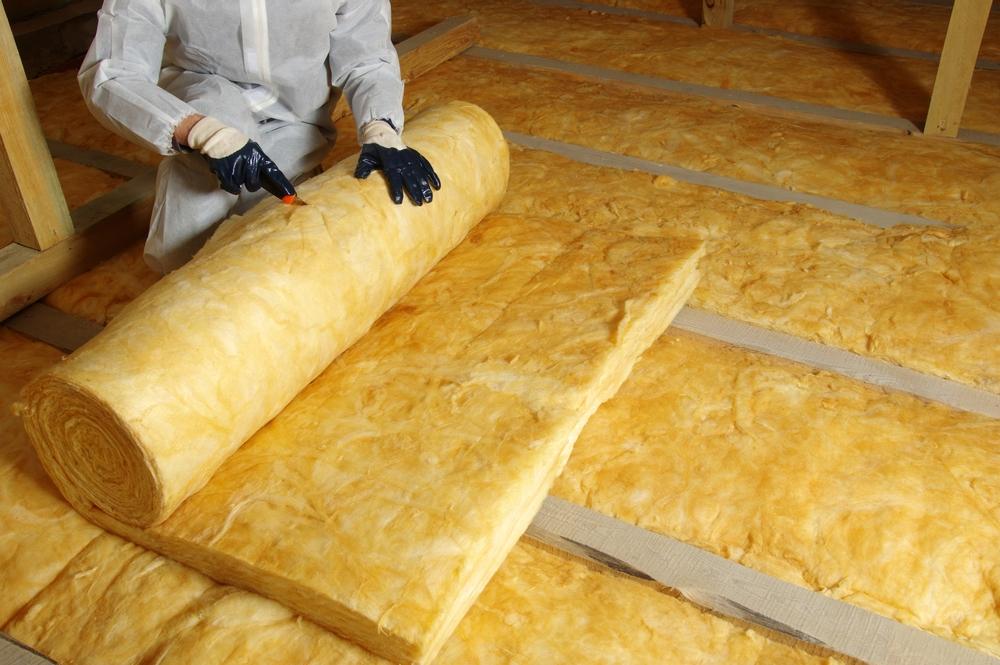
10. Glass Wool and Mineral Wool
Insulation These materials are created using recycled glass and rock, offering excellent thermal and acoustic insulation.
Benefits:
- Fire-resistant and moisture-proof
- Reduces need for artificial heating/cooling
- Sustainable production using recycled content
- Enhances indoor comfort
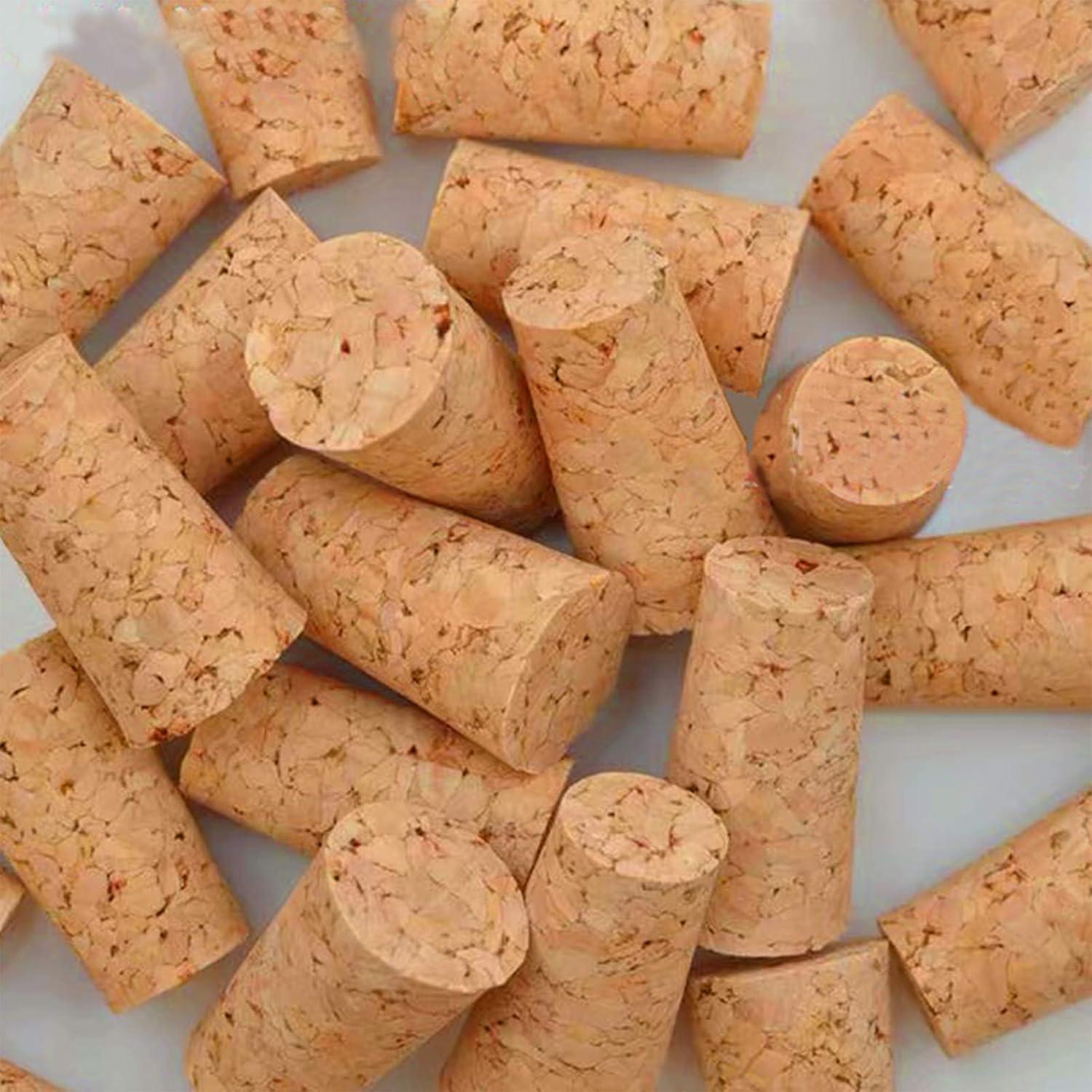
11. Cork
Cork is harvested from the bark of cork oak trees without damaging the tree itself. It's an excellent material for insulation and flooring.
Benefits:
- Renewable and biodegradable
- Naturally anti-microbial and sound-insulating
- Highly elastic and water-resistant
- Excellent thermal insulation
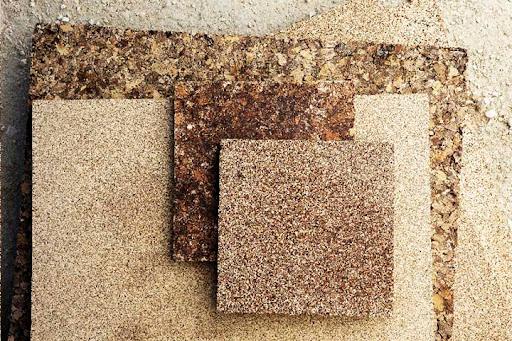
12. Composite Panels from Agricultural Waste
Panels made from compressed crop residues like rice husk, wheat straw, and coconut coir are now widely used for walls, doors, and partitions.
Benefits:
- Utilizes agricultural by-products
- Lightweight and termite-resistant
- Cost-effective and biodegradable
- Reduces burning of crop waste
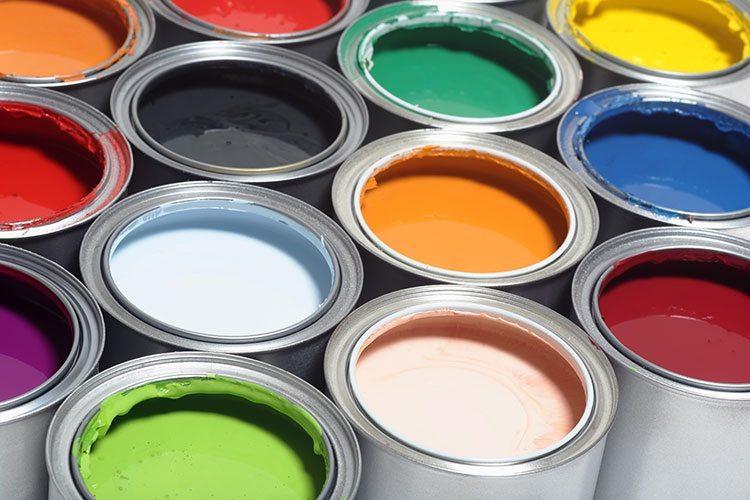
13. Low-VOC Paints and Finishes
Conventional paints contain volatile organic compounds (VOCs) harmful to indoor air quality. Low-VOC alternatives ensure healthier living spaces.
Benefits:
- Improves indoor air quality
- Reduces health risks
- Odorless and safe for families
- Widely available in modern finishes
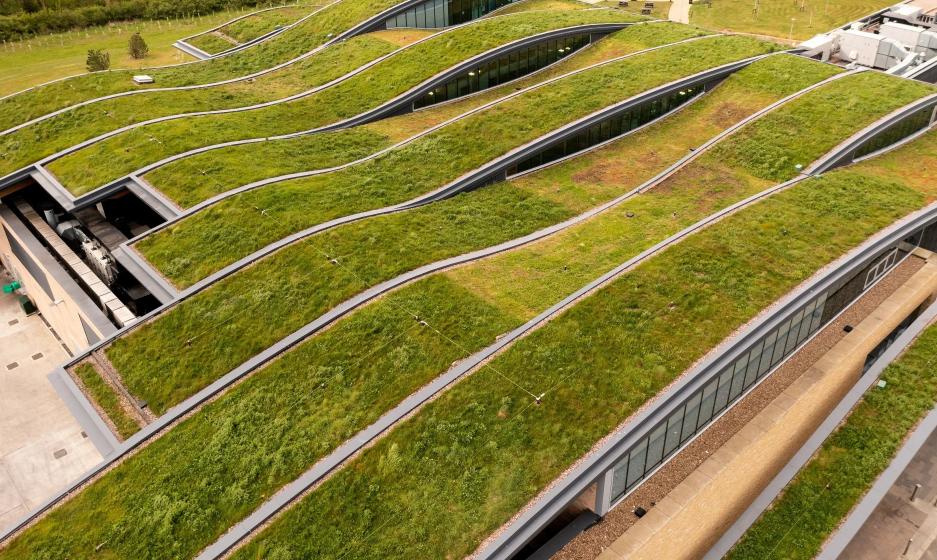
14. Green Roofing Materials
Green roofs use layers of soil and vegetation on top of waterproof membranes, which can also include recycled plastic or rubber tiles.
Benefits:
- Reduces heat absorption
- Provides natural insulation
- Enhances biodiversity in urban areas
- Helps in rainwater management
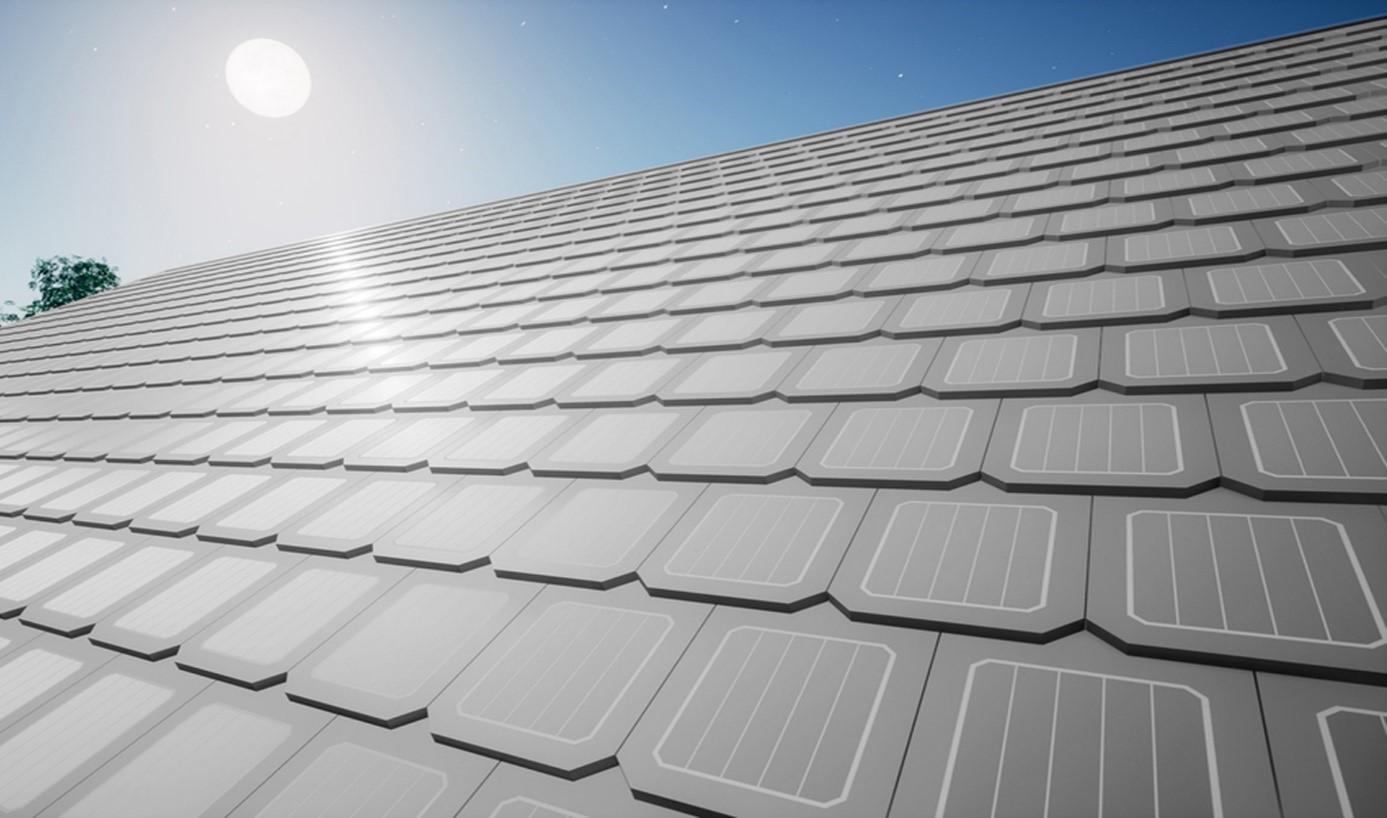
15. Solar Tiles and Shingles
Rather than traditional roofing materials, solar tiles generate clean electricity while functioning as your home's roof.
Benefits:
- Generates renewable energy
- Eliminates need for bulky panels
- Seamless integration with architecture
- Long-term utility cost saving
Conclusion
Opting for sustainable building materials is no longer just an eco-conscious decision, it's a smart investment in durability, health, and long-term value. As the construction sector evolves, materials like AAC blocks, bamboo, reclaimed wood, and solar-integrated systems are proving that green homes can be both beautiful and high-performing. When planning your next build, consult architects and engineers who specialize in sustainable design and prioritize lifecycle assessments for every material. Making environmentally responsible choices at the material level sets the foundation for a future-ready home.

explore further
Latest from Home Buying Tips
More from Recommendations
Resources


