





Table of Contents
- Introduction
- Understand the Importance of Kitchen Lighting
- Layered Lighting Approach
- Choose the Right Fixtures
- Placement of Key Lighting Elements
- Dimmer Switches and Smart Controls
- Maintenance and Flexibility
- Conclusion
- Faq's
Introduction
In the heart of every home, the kitchen serves as a multifunctional space for cooking, dining, and gathering. However, its functionality is often compromised by inadequate lighting. Achieving kitchen lighting perfection involves more than just brightness; it demands a thoughtful approach that balances aesthetics with utility. This guide will explore the pivotal elements of kitchen lighting, ensuring that your culinary space not only looks inviting but also meets the practical needs of your daily activities.
Understand the Importance of Kitchen Lighting
Good kitchen lighting goes beyond simply illuminating the room. It significantly impacts:
- Functionality: Proper lighting ensures safety and efficiency when preparing food and using appliances. Clear visibility reduces the risk of accidents and makes tasks easier.
- Ambiance: Lighting sets the mood. Soft, warm light creates a cozy atmosphere for dining, while bright, focused light is ideal for cooking and cleaning.
- Aesthetics: Well-chosen lighting fixtures can enhance the design of your kitchen, adding visual interest and highlighting architectural features.
- Energy Efficiency: Modern lighting solutions like LEDs are energy-efficient, saving you money on your electricity bill while reducing your environmental impact.
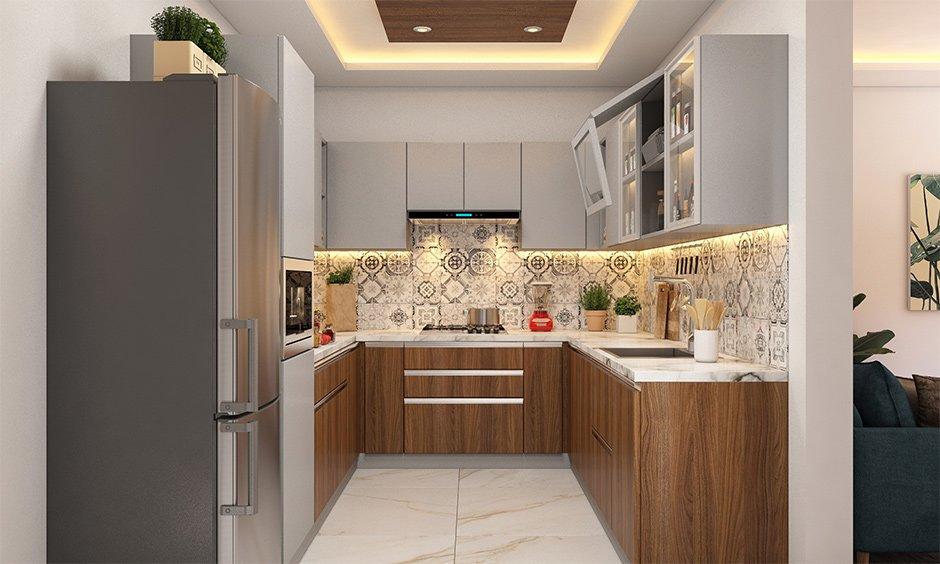 kitchen lighting ideas,Design Cafe
Layered Lighting Approach
The key to exceptional kitchen lighting is layering different types of light to create a balanced and versatile environment. This involves three main categories:
- Ambient Lighting (General Lighting): Provides overall illumination for the entire space. This is your foundation and usually comes from recessed lighting, flush-mount fixtures, or chandeliers.
- Task Lighting: Focused light directed at specific work areas, such as countertops, sinks, and stoves. Under-cabinet lighting, pendant lights over islands, and track lighting are excellent choices.
- Accent Lighting: Used to highlight specific features, add visual interest, and create a sense of depth. Examples include spotlights on artwork, cabinet lighting, or toe-kick lighting.
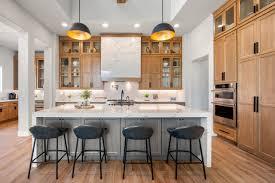 Kitchen layered lighting,Houzz
Choose the Right Fixtures
Selecting the appropriate fixtures is crucial for achieving the desired effect. Consider these options:
- Recessed Lighting: Versatile and discreet, providing even ambient light. Choose adjustable trims to direct light where needed.
- Pendant Lights: Ideal for task lighting over islands and peninsulas, adding a stylish focal point. Consider size, style, and hanging height.
- Under-Cabinet Lighting: Essential for illuminating countertops, providing focused task light. LED strips or puck lights are common choices.
- Track Lighting: Flexible and adjustable, allowing you to direct light to specific areas.
- Chandeliers/Statement Fixtures: Add a touch of elegance and serve as a focal point, particularly in larger kitchens or dining areas.
- Flush Mount/Semi-Flush Mount: Best for kitchens with low ceilings.
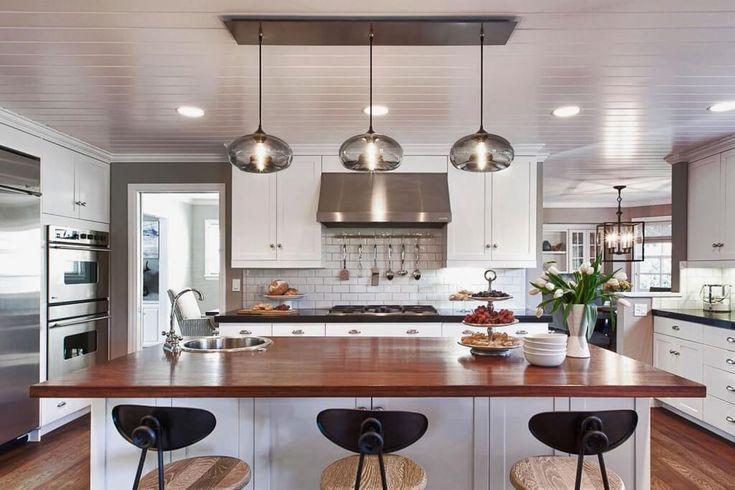 kitchen lighting design,Pinterest
Placement of Key Lighting Elements
Strategic placement is just as important as the fixtures themselves.
- Recessed Lighting: Space evenly throughout the kitchen, paying attention to areas that need more light, such as work areas.
- Pendant Lights: Hang at a height that provides adequate light without obstructing views or head space. Typically, 30-36 inches above the countertop is recommended.
- Under-Cabinet Lighting: Positioned to illuminate the entire countertop surface, avoiding shadows.
- Task Lighting over Sink: Ensure adequate lighting to make washing dishes safer and easier.
- Accent Lighting: Position to highlight focal points such as open shelving, art or architectural features.
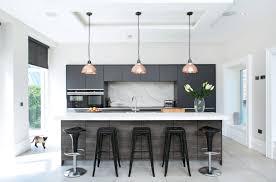 Lighting Elements, Houzz
Dimmer Switches and Smart Controls
- Dimmer Switches: Allow you to adjust the intensity of light, creating different moods and conserving energy. Essential for ambient and accent lighting.
- Smart Controls: Offer advanced control over your lighting, allowing you to schedule lights, control them remotely via your smartphone, and integrate them with other smart home devices. Color changing smart bulbs can also elevate the space.
Maintenance and Flexibility
- Regular Cleaning: Keep fixtures clean to maximize brightness. Dust and grease can significantly reduce light output.
- Bulb Replacement: Use long-lasting LED bulbs and replace them promptly when they burn out.
- Adjustable Lighting: Choose fixtures that allow you to adjust the direction of light.
- Future Planning: Consider the potential for future renovations or changes in your kitchen layout when planning your lighting.
Conclusion
Perfect kitchen lighting is a blend of art and science. By understanding the importance of layered lighting, choosing the right fixtures, and implementing smart controls, you can create a kitchen that is both functional and beautiful. Invest in quality lighting, and you'll transform your kitchen into the heart of your home.

explore further
Latest from Contemporary ideas
More from Innovations
Resources


