




Table of Contents
- Introduction
- Importance of Stone Cladding
- Understanding Stone Cladding Types
- Regular Cleaning
- Inspecting for Damage
- Sealing and Treatment
- Managing Moisture and Drainage
- Repairing Damages Promptly
- Climate Considerations
- Seasonal Maintenance Tips
- Conclusion
- Faq's
Introduction
Stone cladding is a popular choice for both interior and exterior applications due to its timeless appeal and durability. However, like any building material, stone requires regular maintenance to preserve its aesthetics and structural integrity. This article explores essential tips for maintaining your stone cladding, ensuring it remains attractive and lasts for many years.
Importance of Stone Cladding
Stone cladding serves multiple purposes, including enhancing the aesthetics of a building, providing insulation, and protecting structural components from weather elements. The natural beauty of stone adds value and visual interest to both residential and commercial properties. Proper maintenance is crucial not only for aesthetics but also for prolonging the life of the stone, preventing costly repairs, and maintaining energy efficiency.
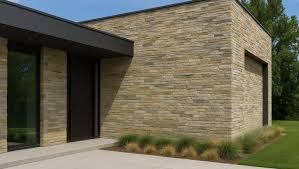 Importance of Stone Cladding,Pinterest
Understanding Stone Cladding Types
There are various types of stone cladding, including natural stone, engineered stone, and manufactured stone veneer.
- Natural Stone: Includes granite, limestone, marble, and slate. It is durable and often more expensive.
- Engineered Stone: Made from crushed stone and resin, offering greater consistency and easier maintenance.
- Manufactured Stone: A cost-effective option that mimics the appearance of natural stone, typically lighter and easier to install.
Understanding the type of stone cladding used can help tailor maintenance tasks to suit its specific needs.
 Understanding Stone Cladding Types,Pinterest
Regular Cleaning
Regular cleaning is the foundation of maintaining stone cladding. Here are some tips:
- Gentle Cleaning: Use a soft brush or fabric cloth with a mild soap solution to clean the surface. Avoid harsh chemicals or abrasive materials that can damage the finish.
- Frequency: Clean stone cladding at least twice a year, or more often in areas with high dirt accumulation or pollution.
- Stain Treatment: Address stains promptly using appropriate cleaners based on the type of stone. For organic stains, a mixture of hydrogen peroxide and water can be effective.
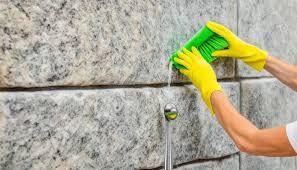 Stone Cladding Regular Cleaning,Pinterest
Inspecting for Damage
Regular inspections help identify issues before they escalate. Look for:
- Cracks and Chips: Inspect for any damage that can occur due to weather changes or impacts.
- Discoloration: A change in color may indicate moisture infiltration or mold growth.
- Loose Stones: Ensure all stones remain securely fastened; loose stones can lead to water damage.
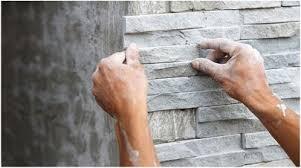 Inspecting for Damage,Pinterest
Sealing and Treatment
Applying a sealer to your stone cladding can protect against moisture and staining:
- Sealing Frequency: Most natural stones should be sealed every 1-3 years, while manufactured stones may not require sealing.
- Choosing a Sealer: Use breathable sealers that prevent moisture buildup behind the stone.
- Application: Follow the manufacturer's instructions when applying sealers, ensuring the stone is clean and dry before treatment.
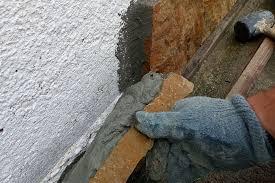 Sealing and Treatment,Pinterest
Managing Moisture and Drainage
Moisture management is essential for preventing structural damage and mold growth:
- Drainage Solutions: Ensure proper drainage around the cladding to divert water away from the walls. This may include gutters, downspouts, and grading.
- Ventilation: Allow airflow behind the stone cladding to minimize condensation buildup.
- Capillary Action Prevention: Install a sill or flashing to prevent water from capillary action behind the stones.
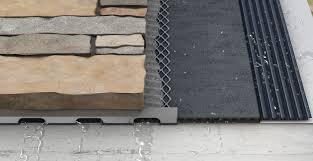 Managing Moisture and Drainage,Pinterest
Repairing Damages Promptly
Addressing damages quickly can prevent larger issues:
- Cracks and Holes: Use epoxy or specialized stone fillers to repair minor damages. For larger repairs, consult a professional.
- Repointing: If mortar joints are damaged, repointing may be necessary to restore strength and appearance.
- Professional Help: For significant damage, hire a stone restoration expert to regain the original look and integrity.
Climate Considerations
Different climates pose unique challenges for stone cladding:
- Cold Climates: Watch for freeze-thaw cycles that can cause cracking. Choose stones that are frost-resistant.
- Hot Climates: UV exposure can lead to fading and discoloration. Opt for stones that withstand heat stress.
- Humid Climates: Increased moisture can result in mold and mildew. Regular cleaning and sealing are vital.
Seasonal Maintenance Tips
Implement specific maintenance tasks to align with seasonal changes:
- Spring: Clean the stone, inspect for winter damage, and ensure drainage systems are clear.
- Summer: Check for any signs of mold due to humidity. Reapply sealant if necessary.
- Fall: Remove leaves and debris that can trap moisture. Prepare for winter conditions by checking for loose stones.
- Winter: Limit exposure to ice-melting chemicals and maintain proper drainage to prevent freeze-thaw damage.
Conclusion
Maintaining your stone cladding is essential for preserving its beauty and functionality. By adhering to a regular cleaning schedule, promptly addressing repairs, and understanding the specific needs of your stone type and local climate, you can ensure the longevity of your stone surfaces. With these tips, you can enjoy the timeless elegance of stone cladding for many years to come.

explore further
Latest from Contemporary ideas
More from Innovations
Resources


