





Table of Contents
- Introduction
- Characteristics of Marine Plywood
- Manufacturing Process
- Uses of Marine Plywood
- Advantages of Marine Plywood
- Disadvantages of Marine Plywood
- Conclusion
- Faq's
Introduction
Marine plywood is a specialized type of plywood designed for use in high-moisture environments. It is made using water-resistant glue and high-quality wood veneers, ensuring durability and strength even in challenging conditions. Commonly used in boat construction, outdoor furniture, and other applications where moisture resistance is crucial, marine plywood is a popular choice among builders and designers seeking reliable material.
Characteristics of Marine Plywood
- Water Resistance: Specifically designed to resist moisture and prevent delamination.
- High-Quality Veneers: Made from hardwood species, offering strength and durability.
- Non-ToxicAdhesives: Utilizes waterproof adhesives that are safe and effective.
- Structural Integrity: Provides good shear strength and stability.
- Smooth Finish: Often has a smooth surface that is aesthetically pleasing and easy to paint or laminate.
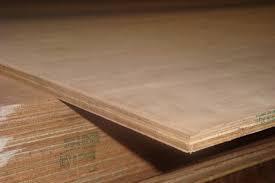 waterproof plywood,Orange Plywood
Manufacturing Process
- Selection of Wood: High-quality hardwood (typically tropical or durable softwood) is selected.
- Veneer Production: Logs are peeled or sliced into thin sheets (veneers).
- Drying: The veneers are dried to eliminate moisture.
- Layering: Multiple layers of veneers are glued together with water-resistant adhesive, typically in a cross-banded configuration.
- Pressing: The layered veneers are then pressed under heat and pressure to bond them securely.
- Trimming and Finishing: The plywood is trimmed to size and often sanded for a smooth finish.
Uses of Marine Plywood
- Boat Building: Hulls, decks, and interior structures.
- Outdoor Furniture: Benches, tables, and planters that withstand moisture.
- Construction: Temporary structures, sheds, and marine facilities.
- Flooring and Roofing: In environments with high humidity.
 Uses of Marine Plywood,Duro Ply
Advantages of Marine Plywood
- Durability: Outlasts standard plywood in moist environments.
- Versatility: Suitable for various applications beyond marine use.
- Aesthetic Appeal: Available in different finishes, suitable for visible applications.
- Strength: Resistant to warping, cracking, and splitting.
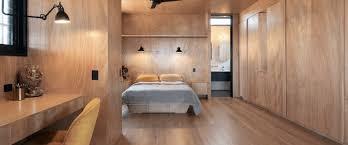 Advantages of Marine Plywood,The Bunker
Disadvantages of Marine Plywood
- Cost: Generally more expensive than standard plywood due to its manufacturing process and materials.
- Weight: Heavier than other types of plywood, which may not be ideal for all projects.
- Limited Availability: May not be as widely available as standard plywood in some regions.
Conclusion
Marine plywood is an essential material for projects in high-humidity settings, combining strength, durability, and aesthetic appeal. Whether for marine applications or outdoor constructions, its unique properties make it a preferred choice for professionals in construction and design. Understanding both its advantages and disadvantages is crucial for making informed decisions about its use.

explore further
Latest from Contemporary ideas
More from Innovations
Resources


