





Table of Contents
- Introduction
- Understanding Stripes
- Choosing the Right Stripe Patterns
- Stripes in Different Rooms
- Incorporating Stripes in Furniture and Accessories
- Color Schemes and Stripes
- DIY Stripe Decor Projects
- Conclusion
- Faq's
Introduction
Stripes have long been a classic choice in home decor, offering a versatile way to add visual interest and personality to spaces. Whether bold and bright or subtle and muted, stripes can enhance the aesthetic of your home, making it feel more inviting and stylish. In this guide, we'll explore the art of using stripes in your decor, including how to choose the right patterns, where to incorporate them, and how to create stunning DIY projects.
Understanding Stripes
Stripes are a versatile design element in both fashion and interior decor, characterized by their various styles and sizes, ranging from bold wide stripes to delicate narrow ones, and can be oriented vertically or horizontally. The psychological and spatial effects of stripes are significant; for instance, vertical stripes have the unique ability to create an illusion of height, making ceilings appear taller and enhancing the sense of verticality in a space. This is particularly beneficial in rooms with low ceilings, where the use of vertical patterns can add a sense of grandeur and openness. Conversely, horizontal stripes can evoke a feeling of spaciousness, as they draw the eye across the width of a room, often leading to an impression of increased breadth and openness. This effect can be particularly useful in narrow spaces, helping to soften the overall feel and create a more inviting atmosphere. Understanding these patterns allows designers and homeowners to harness the power of stripes to manipulate perceptions of space and to enhance the overall aesthetic and ambiance of their environments.
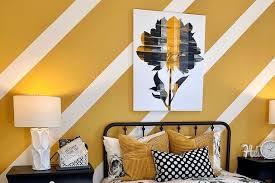 Stripes in interior design,The Spruce
Choosing the Right Stripe Patterns
When selecting stripe patterns for your home decor, it is essential to consider the overall style and aesthetic you wish to achieve. For a modern look, bold and graphic stripes can create a dynamic visual impact, drawing attention and adding a contemporary edge to your space. These striking patterns work well in minimalist environments, pairing beautifully with sleek furniture and vibrant colors. In contrast, traditional spaces may benefit from softer, muted stripes that evoke a sense of warmth and timelessness, seamlessly blending with classic furnishings and earthy color palettes. To inject a personal touch into your decor, consider custom patterns or varying stripe widths, which can reflect your individual style while adding depth and interest to the design. Ultimately, the right stripe pattern can enhance the character of your home, making it both stylish and inviting.
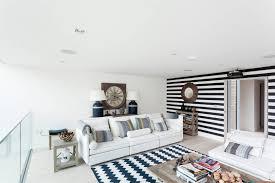 Right Stripe Patterns,Houzz
Stripes in Different Rooms
Stripes offer a surprisingly versatile design element capable of transforming the ambiance of different rooms in distinct ways. In the living room, bold, graphic stripes, perhaps in contrasting colors, can introduce a contemporary flair, injecting energy and visual interest into the space. Moving into the bedroom, a softer approach is key; pastel stripes, whether vertical or horizontal, can create a calming and serene atmosphere, promoting relaxation and peaceful sleep. The kitchen, often the heart of the home, benefits from cheerful stripes, perhaps in bright yellows, reds, or blues, which can energize the space and make it feel more inviting for cooking and socializing. Finally, in hallways, strategically placed stripes can serve a practical purpose, leading the eye down the corridor and creating a sense of flow, making even narrow spaces feel more open and welcoming.
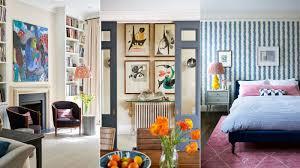 Stripes in Different Rooms,Home and Gardens
Incorporating Stripes in Furniture and Accessories
Stripes are a versatile design element that can significantly enhance various aspects of interior decor, including upholstery, area rugs, curtains, and decorative items. When integrated into furniture pieces like chairs and sofas, striped patterns can act as striking statement items, drawing attention and becoming focal points within a room. For a more understated approach, accent pillows and throws adorned with stripes offer the opportunity to introduce this pattern subtly, complementing existing decor without creating visual overwhelm. This thoughtful use of stripes can add depth and texture to a space, allowing for a dynamic interplay of patterns while maintaining a cohesive aesthetic. Whether bold and vibrant or soft and muted, stripes can create a sense of rhythm and movement in a room, making them a popular choice for both contemporary and traditional design schemes.
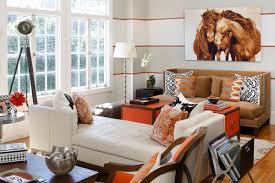 Stripes in Furniture and Accessories, Houzz
Color Schemes and Stripes
When incorporating stripes into your home decor, the selection of colors is pivotal to achieving the desired aesthetic. A cohesive color palette that complements your existing decor will ensure that the stripes enhance rather than overwhelm your space. Monochromatic stripes, featuring varying shades of a single color, can add depth and sophistication, creating a subtle visual interest that maintains harmony. On the other hand, stripes in contrasting colors can inject energy and vibrancy into a room, making a bold statement that can serve as a focal point. For instance, pairing navy and white stripes can create a classic nautical theme, while bright, bold colors like orange and teal can evoke a playful, modern vibe. Ultimately, the choice between monochromatic or contrasting stripes should align with the overall style of the home, personal taste, and the intended atmosphere of the space, ensuring that the stripes contribute effectively to the interior design narrative.
DIY Stripe Decor Projects
Engaging in DIY projects allows you to customize stripes to fit your style. Consider painting a striped accent wall, creating striped throw pillows, or even refurbishing furniture with striped patterns. These projects not only save money but also provide a personal touch to your decor.
Conclusion
Mastering the art of stripes in home decor can transform your space and reflect your personal style. By understanding patterns, choosing the right applications, and employing creative DIY projects, you can infuse your home with energy, style, and character through the simple yet powerful design of stripes.

explore further
Latest from Contemporary ideas
More from Innovations
Resources


