




Table of Contents
- Introduction to Mumbai Airport
- Terminal 1 (T1): Domestic Operations
- Terminal 2 (T2): International and Domestic Operations
- Connectivity Between Terminals
- Additional Passenger Services
- Transportation to and from the Airport
- Parking Facilities
- Future Developments
- Sustainability Initiatives
- Security & Immigration Services
- VIP Services & Lounges
- Nearby Hotels & Accommodations
- Shopping & Duty-Free at Mumbai Airport
- Technology & Digital Services at Mumbai Airport
- Future Expansion Plans
- Conclusion
- Faq's
Introduction to Mumbai Airport
Chhatrapati Shivaji Maharaj International Airport (CSMIA), located in Mumbai, India, is one of the country's busiest and most significant aviation hubs. Serving as a gateway to both domestic and international destinations, the airport boasts two main terminals: Terminal 1 (T1) and Terminal 2 (T2). Each terminal is designed to cater to specific flight operations and offers a range of facilities to enhance passenger experience.
Terminal 1 (T1): Domestic Operations
Terminal 1, historically known as the Santacruz Airport, is dedicated primarily to domestic flights. It has undergone several renovations over the years to accommodate the increasing number of passengers and to modernize its facilities.
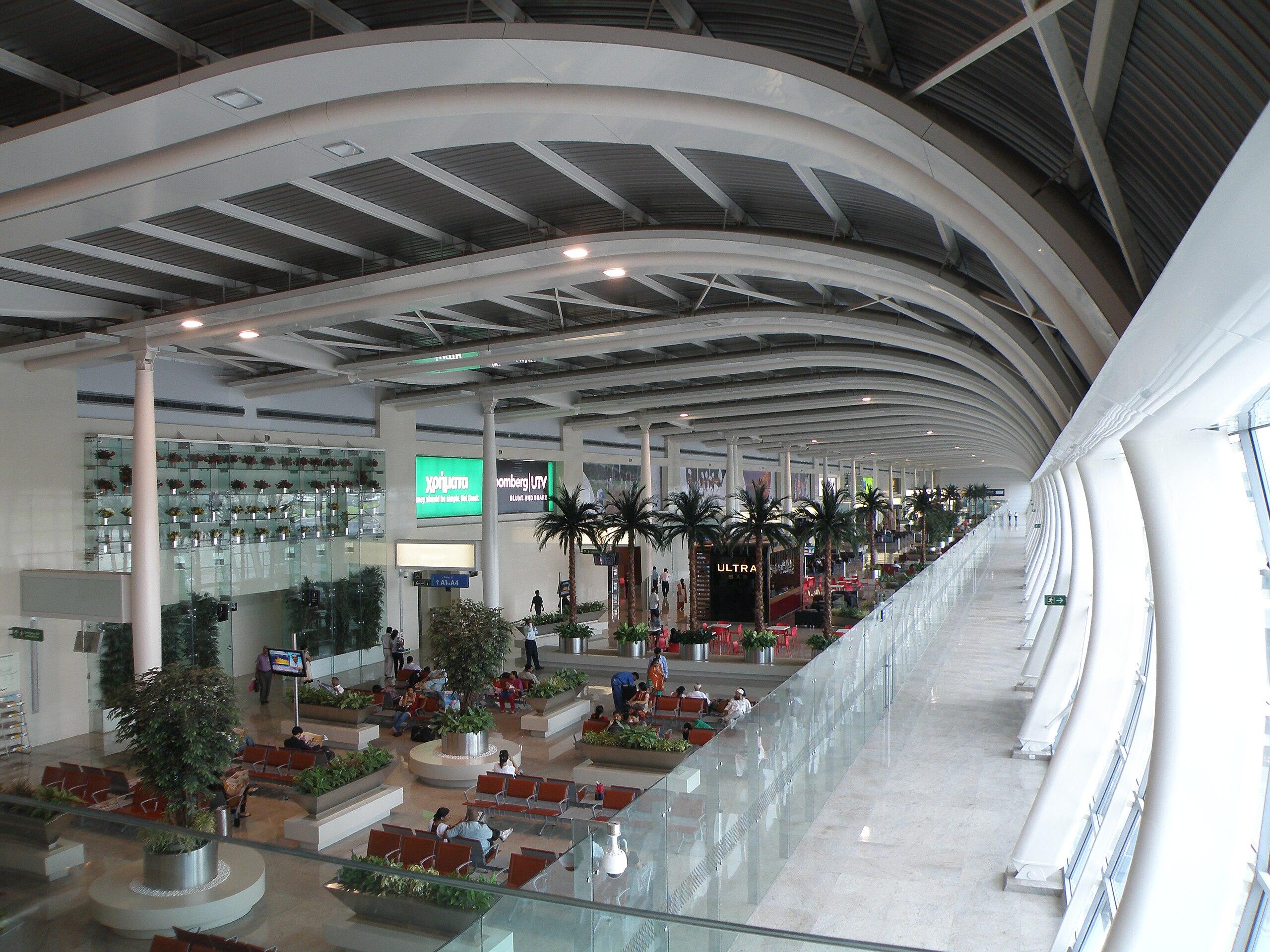 Departure Hall in Terminal 1, Wiki
- Airlines Operating from T1:
Mumbai Airport's Terminal 1 caters primarily to domestic airlines, with major carriers like SpiceJet and IndiGo operating regular flights to various destinations across India. As some airlines operate from both Terminal 1 and Terminal 2, it is crucial for passengers to check their ticket details and flight updates before heading to the airport. Airlines frequently update their terminal operations, and any last-minute changes can lead to confusion. Travelers should confirm their departure terminal through their airline's official website or the Mumbai Airport helpline to avoid unnecessary delays and ensure a smooth boarding process.
- Facilities and Amenities:
Check-in Counters: Terminal 1 is equipped with multiple check-in counters to facilitate quick and hassle-free passenger processing. Self-check-in kiosks are also available, allowing passengers to print their boarding passes and baggage tags before proceeding to the baggage drop counter. This not only reduces wait times but also helps passengers who prefer contactless and efficient check-in procedures. Travelers are advised to arrive at least two hours before departure to complete their check-in, baggage drop, and security clearance comfortably, especially during peak hours.
Security Checks: Mumbai Airport's Terminal 1 has well-organized security screening areas to ensure passenger safety while minimizing wait times. The screening process includes automated scanning systems, metal detectors, and dedicated frisking zones for male and female passengers. During peak hours, the airport staff ensures the efficient movement of passengers through security by opening additional screening lanes. To speed up the process, travelers should be prepared by removing electronic devices, liquids, and metallic items before reaching the security checkpoint.
Baggage Services: Terminal 1 provides a smooth baggage handling system, with efficient conveyor belts and designated baggage claim areas for arriving passengers. The baggage carousels are designed to accommodate multiple flights simultaneously, reducing the waiting time for passengers. In case of misplaced or delayed luggage, airline customer service desks and baggage assistance counters are available to help passengers track their belongings. Travelers are encouraged to label their bags clearly and keep their baggage claim receipts handy for a swift resolution in case of any issues.
Lounges: For passengers seeking a more comfortable waiting experience, Terminal 1 features several premium lounges that offer a relaxing atmosphere with plush seating, complimentary refreshments, free Wi-Fi, and business facilities. These lounges cater primarily to business-class passengers, frequent flyers, and those with premium credit card access. Some lounges also provide quiet zones, nap areas, and shower facilities, making them an ideal space for passengers on long layovers or early morning flights.
Retail and Dining: Terminal 1 offers a diverse shopping and dining experience, ensuring that travelers can make the most of their time at the airport. Retail outlets include bookstores, clothing stores, electronics shops, and travel accessory kiosks, catering to the needs of last-minute shoppers. Dining options range from quick-service restaurants, international food chains, coffee shops, and traditional Indian eateries, providing passengers with a wide selection of food choices. Whether grabbing a quick coffee before a flight or enjoying a sit-down meal, Terminal 1 ensures that every passenger has access to quality food and shopping options.
Also Read: Indira Gandhi International (IGI) Airport Delhi: Terminals, Facilities, and More
Terminal 2 (T2): International and Domestic Operations
Terminal 2 is the newer and larger terminal, designed to handle both international and select domestic flights. Its architectural design is inspired by India's rich cultural heritage, combined with modern aesthetics.
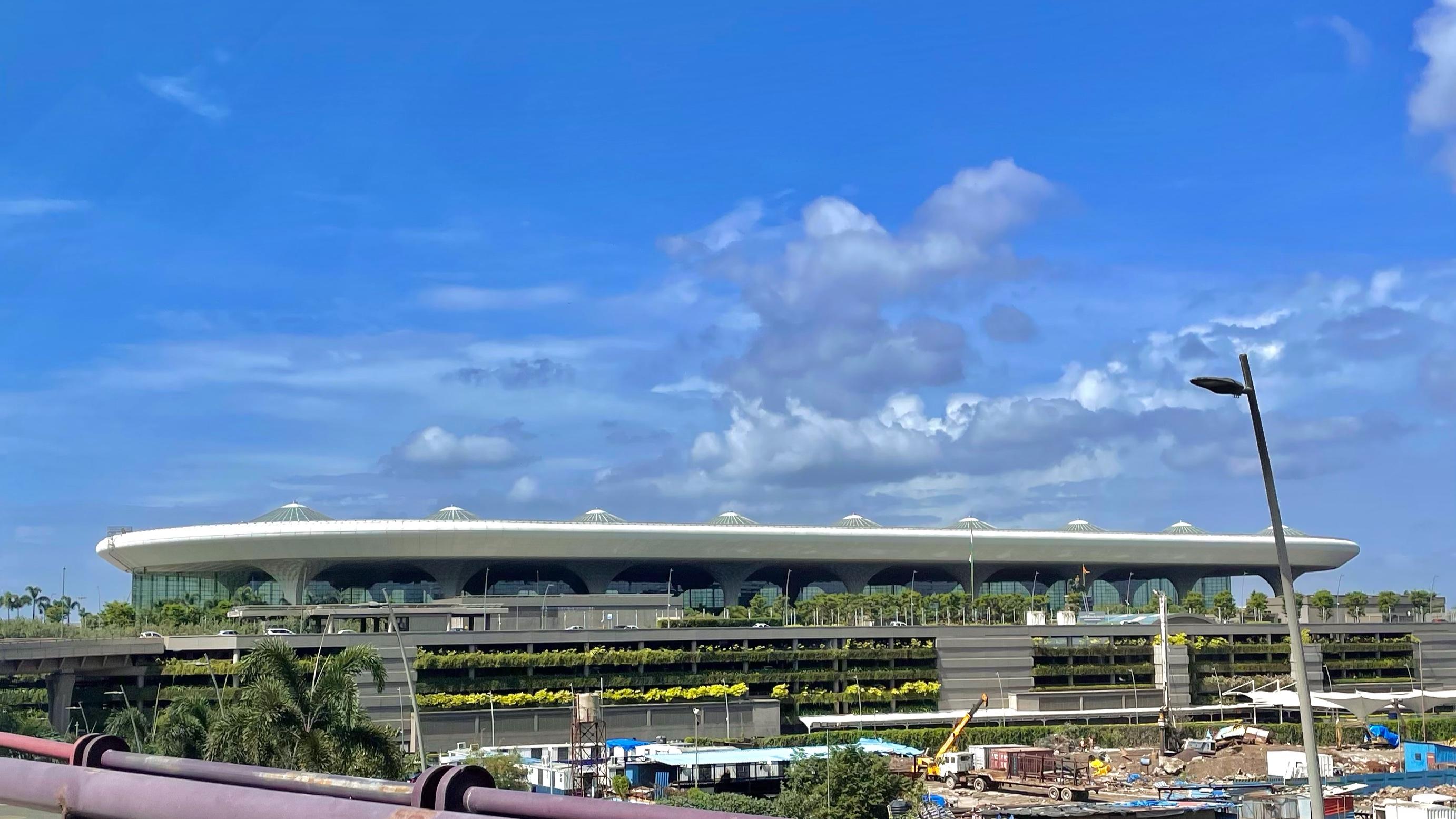 Terminal 2 View, Wiki
- Airlines Operating from T2:
Terminal 2 at Mumbai Airport is a major international gateway, handling flights from leading global airlines such as Emirates, British Airways, Lufthansa, Singapore Airlines, and Qatar Airways, among others. In addition to international carriers, full-service domestic airlines like Air India and Vistara also operate from this terminal. Some flights from low-cost carriers, including IndiGo and SpiceJet, also depart from T2 for select routes. Due to the mix of international and domestic flights, passengers should double-check their terminal details on their airline ticket or Mumbai Airport's website to avoid confusion and delays.
- Facilities and Amenities:
Check-in and Immigration: Terminal 2 boasts a spacious and efficient check-in area with multiple counters to accommodate large passenger volumes. Airlines have dedicated check-in sections, and many also offer self-service kiosks for a quicker check-in process. Immigration services are streamlined with separate counters for Indian citizens, foreign nationals, business travelers, and diplomatic personnel. Additionally, e-visa facilities allow eligible travelers to obtain their visas on arrival, making international travel more convenient. The entire process is supported by modern technology, including automated document verification, to reduce long queues and enhance efficiency.
Security Checks: Security at Terminal 2 is managed through state-of-the-art screening technology to ensure passenger safety while minimizing inconvenience. Advanced full-body scanners, automated tray return systems, and AI-powered threat detection help speed up the security process. The terminal also has dedicated express security lanes for premium passengers and families traveling with young children, ensuring a smooth experience. To enhance efficiency, travelers are encouraged to prepare in advance by removing electronics, liquids, and metallic items before reaching the screening area.
Baggage Services: T2 features an automated baggage handling system, ensuring fast and secure processing of checked-in luggage. Multiple baggage claim belts help arriving passengers retrieve their luggage quickly. The airport also offers a baggage tracking system, allowing passengers to check their luggage status in real time. For those with long layovers or transit stays, luggage storage services are available within the terminal, making it convenient for travelers to explore the city without carrying their baggage. In case of any baggage-related concerns, 24/7 assistance counters and airline baggage desks are available to provide immediate support.
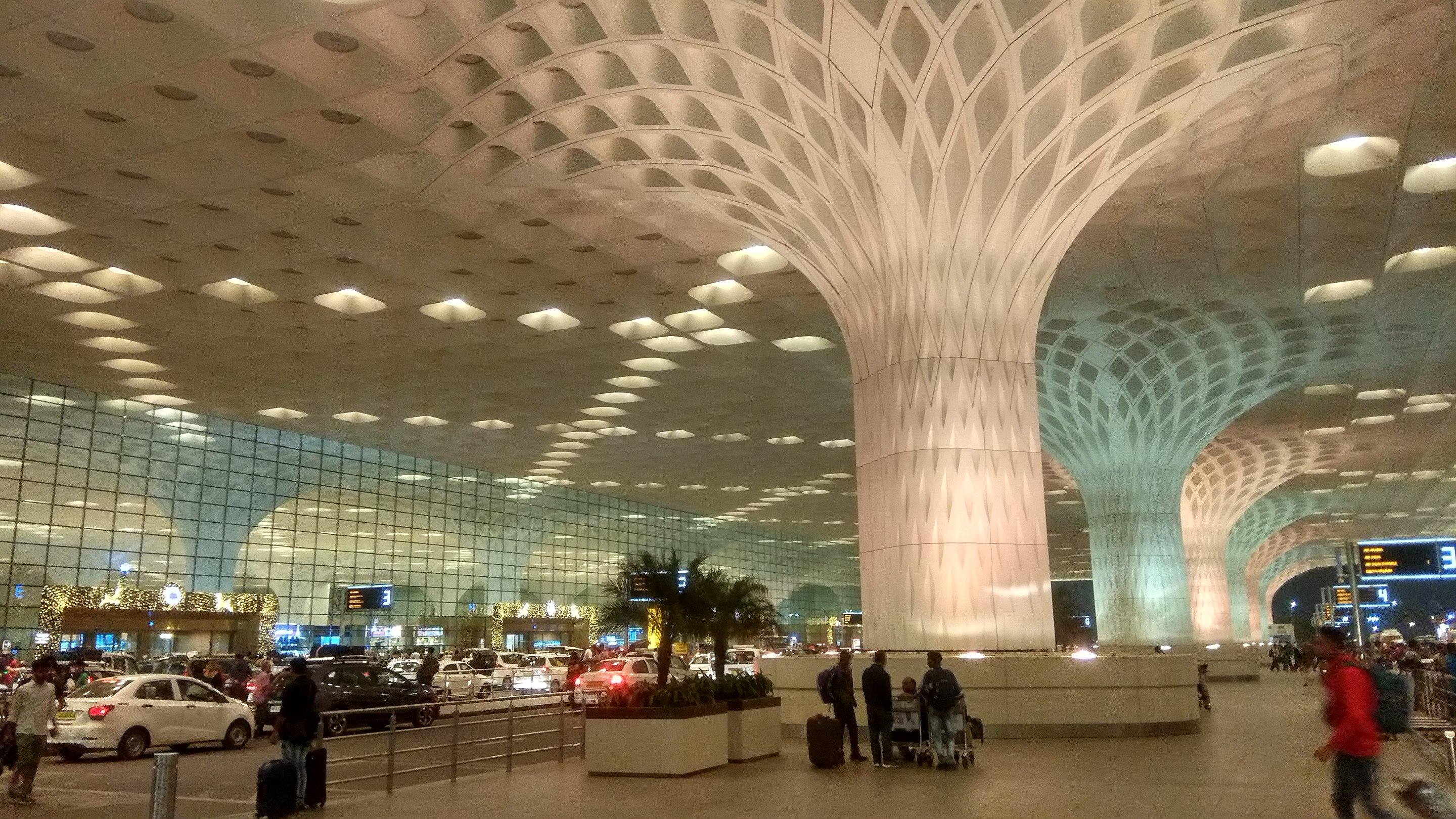 Departure area of Terminal 2, Wiki
Lounges: Terminal 2 is home to some of the most luxurious airport lounges in India, offering world-class comfort to travelers. The GVK Lounge, one of the finest in the country, provides spa treatments, gourmet dining, a cigar room, and a fully-equipped business center for premium passengers. Several other lounges, including airline-operated and independent lounges, offer services such as complimentary Wi-Fi, shower facilities, and relaxation areas. These lounges are accessible through business class tickets, premium credit cards, and lounge membership programs, ensuring that travelers can unwind in a comfortable environment before their flight.
Retail and Duty-Free: The duty-free shopping experience at T2 is extensive, featuring a wide range of international brands, electronics, cosmetics, perfumes, and luxury fashion outlets. Popular global brands such as Gucci, Burberry, and Rolex have stores inside the terminal, along with local Indian handicraft shops that offer traditional textiles, jewelry, and souvenirs. Passengers can enjoy competitive duty-free pricing on liquor, chocolates, and fragrances, making it an ideal shopping destination before departure. The terminal also includes convenience stores, travel accessory shops, and bookstores to cater to last-minute travel needs.
Dining: Terminal 2 provides a diverse dining experience, offering everything from fine dining restaurants to fast-food chains and cafés. Popular global chains such as Starbucks, KFC, and McDonald's are available for quick meals, while Indian specialty restaurants like Masala Library and Mumbai Street Kitchen serve authentic local flavors. Vegetarian, vegan, and gluten-free options are also widely available, ensuring that travelers with dietary restrictions can find suitable meals. The dining areas include comfortable seating arrangements, live cooking stations, and bar lounges, making it an enjoyable experience for passengers before their flight.
Art Installations: One of the standout features of Terminal 2 is its impressive art gallery, "Jaya He," which showcases India's rich cultural heritage through sculptures, paintings, and installations. Spread across multiple levels, the exhibit features traditional Indian artwork, contemporary pieces, and historical artifacts, offering travelers a glimpse into the country's artistic diversity. The carefully curated collection provides an immersive cultural experience, making Terminal 2 more than just a travel hub but also an art destination. This initiative has been widely appreciated for adding a unique touch to the airport's ambiance, making the journey through Mumbai Airport a visually enriching experience.
Connectivity Between Terminals
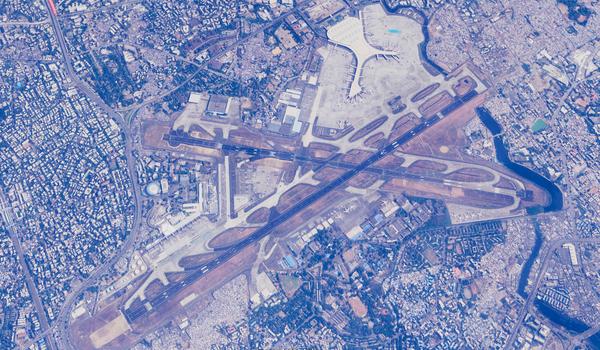 Mumbai Airport Aerial View, Wiki
Mumbai Airport (CSMIA) comprises two main terminals- Terminal 1 (T1) for domestic flights and Terminal 2 (T2) for both international and select domestic flights. The two terminals are located approximately 5 kilometers apart, making connectivity between them a crucial consideration for travelers with connecting flights. Shuttle services operate regularly between T1 and T2, ensuring passengers can transfer smoothly. However, since Mumbai is known for its heavy traffic, it's essential to plan ahead, especially during peak hours. The transfer time can vary based on traffic conditions, so passengers should allow at least 45 minutes to an hour for the commute, including waiting time for the shuttle.
For a more convenient and seamless transfer, passengers can also opt for private taxis, app-based cab services like Uber and Ola, or pre-booked car rentals. While these options may provide more flexibility, they are subject to Mumbai's unpredictable traffic congestion. For those in transit with connecting flights, it is highly recommended to check baggage transfer policies, as some airlines facilitate through-checking of luggage between domestic and international flights, while others require passengers to collect and re-check their baggage at the respective terminals. To avoid last-minute stress, passengers should verify their terminal details in advance and account for potential delays when planning their journey between T1 and T2.
Also Read: Kempegowda International Airport, Bengaluru: Latest updates, Terminals, How to Reach
Additional Passenger Services
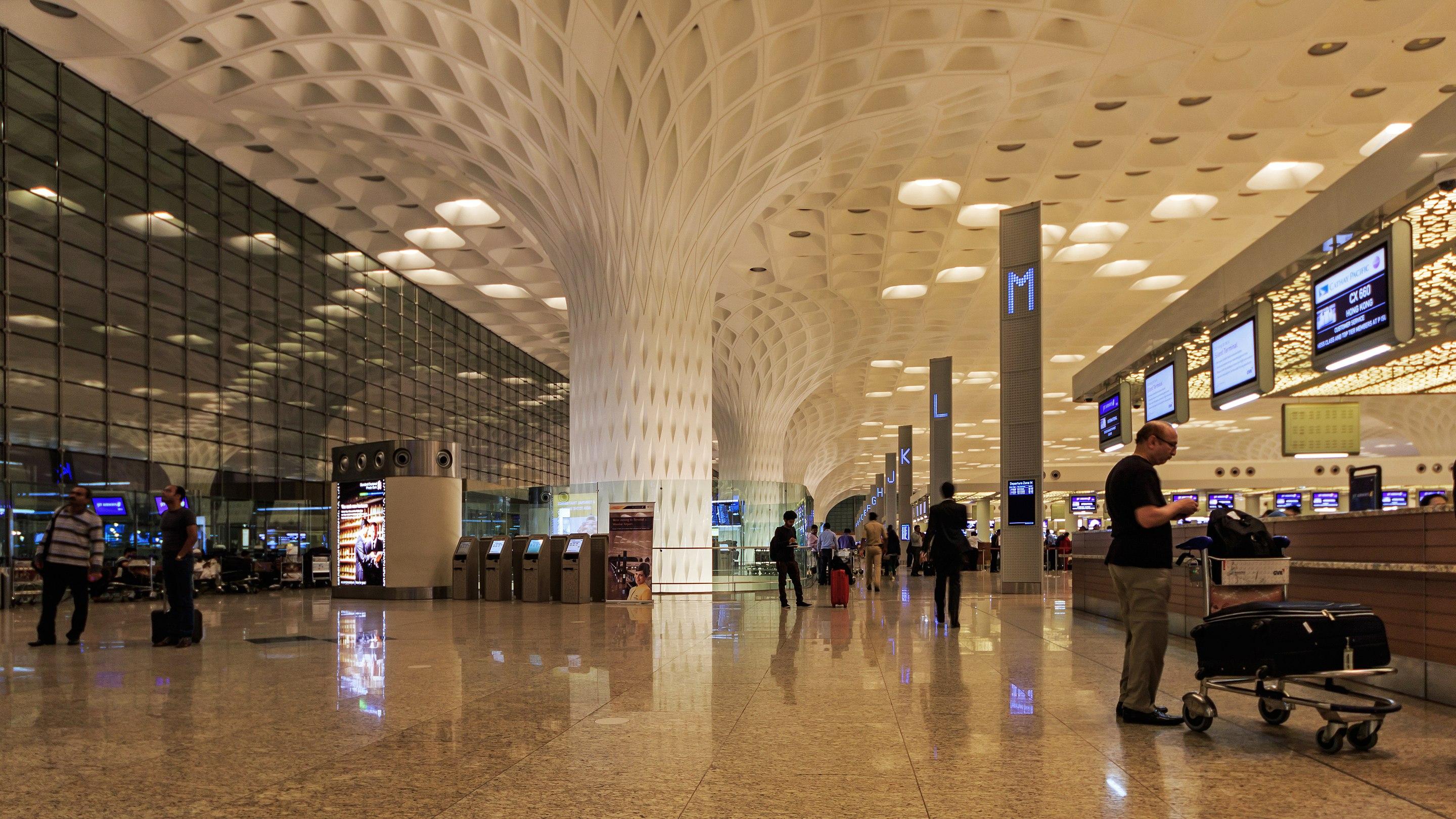 Check in area Terminal 2, Wiki
- Pranaam Meet and Greet Services: Personalized assistance for arrivals, departures, and transit passengers, ensuring a seamless airport experience.
- Special Assistance: Facilities and support for passengers with reduced mobility or special needs, including dedicated seating areas, restrooms, and assistance through the terminal.
- Information Desks: Strategically located throughout both terminals to assist passengers with inquiries related to flights, services, and facilities.
- Wi-Fi and Communication: Complimentary Wi-Fi services, charging stations, and telecommunication facilities are available to keep passengers connected.
- Medical Services: On-site medical centers equipped to handle emergencies, along with pharmacies for travelers' needs.
- Child Care Facilities: Baby care rooms and play zones to cater to families traveling with children.
Transportation to and from the Airport
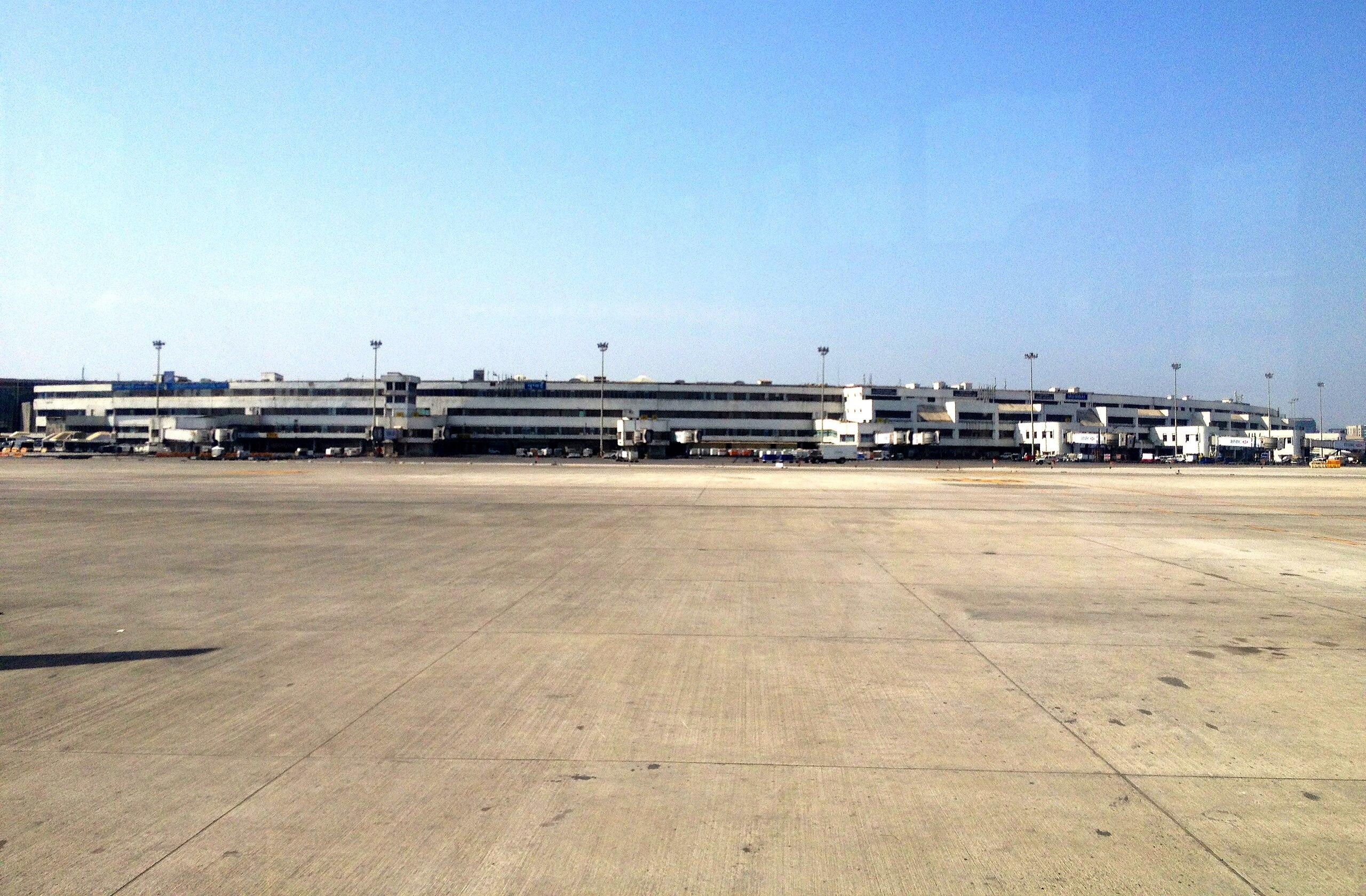 Terminal 2B and 2C from the runway, Wiki
CSMIA is well-connected to Mumbai city and its suburbs through various modes of transportation:
- Taxis and Ride-Sharing:
Taxis and ride-sharing services provide one of the most convenient ways to travel to and from Mumbai Airport. Prepaid taxi counters are available at both Terminal 1 and Terminal 2, offering a fixed-rate fare to various city locations. In addition, app-based ride-sharing services like Uber and Ola are widely used, providing comfortable and affordable transportation options. These services can be booked via mobile apps, and dedicated pick-up points are available at the airport for easy access. However, depending on the time of day, traffic congestion in Mumbai can affect travel time, so passengers should plan accordingly.
- Public Buses:
Public buses operated by the Brihanmumbai Electric Supply and Transport (BEST) connect the airport to several parts of the city. These buses are a cost-effective option for travelers looking for budget-friendly transportation. The routes cover key areas, including South Mumbai, the western suburbs, and central business districts. While BEST buses are a viable choice for frequent commuters and locals, they may not be ideal for travelers with heavy luggage due to limited storage space and crowding during peak hours.
- Mumbai Metro:
Mumbai Metro offers a fast and efficient way to travel near the airport, with metro stations located within a short distance from the terminals. The Airport Road and Marol Naka stations on Line 1 (Versova-Ghatkopar) are the nearest metro stops to Terminal 2, while Andheri Metro Station provides connectivity for passengers heading to Terminal 1. Upcoming metro lines will further enhance airport accessibility, reducing reliance on road transport and minimizing delays caused by city traffic. For now, passengers may need to take a short taxi or auto-rickshaw ride to reach the nearest metro station from the terminals.
- Car Rentals:
Car rental services are available at Mumbai Airport for passengers who prefer self-drive or chauffeur-driven options. Several well-known car rental agencies operate from both terminals, allowing travelers to book vehicles for local commutes or outstation trips. Rentals can be booked online in advance or directly at the airport counters. While self-drive rentals provide flexibility and privacy, chauffeur-driven cars are a more convenient choice for visitors unfamiliar with Mumbai's traffic conditions and roadways.
Also Read: Kalaburagi Airport: Empowering Growth and Connectivity in North Karnataka
Parking Facilities
Both terminals offer parking facilities for passengers and visitors:
- Short-Term Parking: Ideal for those dropping off or picking up passengers, located close to the terminal buildings.
- Long-Term Parking: Suitable for travelers who need to park their vehicles for extended periods, with security measures in place.
Future Developments
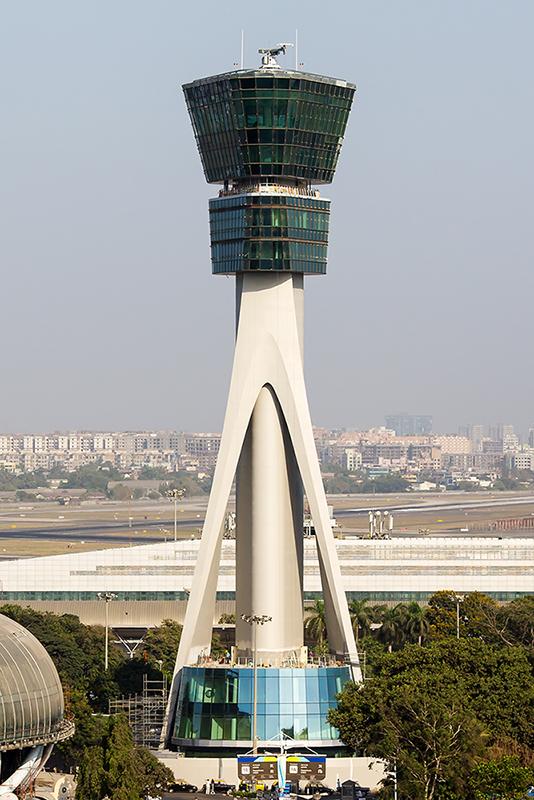 ATC Tower, Wiki
To accommodate the growing air traffic and enhance passenger experience, several initiatives are underway:
- Terminal 1 Expansion:
Terminal 1 at Mumbai Airport is undergoing expansion and modernization to better accommodate the increasing number of domestic travelers. The planned upgrades aim to enhance passenger capacity, streamline check-in processes, and improve baggage handling efficiency. With growing air traffic, the revamped Terminal 1 will feature additional security lanes, more boarding gates, and an improved waiting area to reduce congestion during peak hours. The modernization efforts also focus on providing better retail and dining options, ensuring that passengers have access to world-class amenities. The expansion project will help in reducing operational strain on Terminal 2, which currently handles both domestic and international flights.
- Enhanced Connectivity:
Enhanced connectivity to Mumbai Airport is a priority, with dedicated metro lines and improved road infrastructure in the pipeline. The upcoming Mumbai Metro Line 7 (Red Line) and Line 8 (Gold Line) will offer direct metro access to the airport, significantly cutting down travel time from various parts of the city. These metro projects are expected to reduce congestion on airport approach roads and provide a faster alternative to taxis and ride-sharing services. Additionally, road infrastructure around the airport is being upgraded to ease traffic flow, including wider access roads, better traffic management systems, and improved signage for smoother navigation. These developments will ensure a seamless transit experience for passengers traveling to and from Mumbai Airport.
Sustainability Initiatives
Chhatrapati Shivaji Maharaj International Airport (CSMIA) is actively working on sustainability initiatives to reduce its carbon footprint and enhance environmental efficiency. These include:
- Solar Power Utilization: Expanding solar panel installations across airport buildings to harness renewable energy.
- Water Recycling Systems: Implementing advanced wastewater treatment and rainwater harvesting to minimize wastage.
- Green Terminal Infrastructure: Incorporating energy-efficient designs, LED lighting, and eco-friendly construction materials.
- Carbon Neutrality Goals: Striving towards net-zero carbon emissions by adopting sustainable aviation fuel options and electric ground support equipment.
Security & Immigration Services
Security is a top priority at Mumbai Airport. CSMIA has state-of-the-art security systems managed by the Central Industrial Security Force (CISF) to ensure passenger safety. Some key aspects include:
- Automated Scanners & Facial Recognition:
Automated scanners and facial recognition technology are being introduced at Mumbai Airport to streamline security procedures and enhance passenger convenience. The biometric-based DigiYatra system is being tested to enable seamless check-ins and faster security clearances without the need for physical documents. These automated systems help in reducing wait times, improving accuracy, and ensuring a smoother flow of passengers through security checkpoints. Additionally, advanced baggage screening systems have been implemented to detect prohibited items more efficiently, enhancing overall airport security while minimizing manual intervention.
- Immigration Services:
Immigration services at Mumbai Airport are designed to efficiently handle the large number of international travelers passing through daily. Dedicated e-visa counters allow eligible passengers to obtain quick visa approvals upon arrival, significantly reducing paperwork and processing time. Regular immigration counters are staffed with trained officers to assist travelers with entry and exit procedures, ensuring smooth movement through the airport. With separate lines for Indian citizens, foreign nationals, and business travelers, the system is structured to minimize congestion and provide a hassle-free experience.
- Customs Clearance:
Customs clearance at Mumbai Airport is well-organized to facilitate quick processing for international arrivals. Passengers carrying goods within the permitted limits can pass through the green channel, avoiding unnecessary delays. Those with dutiable or restricted items must proceed through the red channel, where customs officers conduct necessary inspections. To enhance efficiency, the airport has introduced e-customs declaration kiosks, allowing passengers to declare items digitally before approaching the clearance area. These measures help in preventing smuggling, ensuring compliance with import regulations, and expediting the arrival process for international travelers.
VIP Services & Lounges
For premium travelers, Mumbai Airport offers world-class lounges and VIP services to enhance comfort and convenience. Some highlights include:
- GVK Business Lounge: Located in Terminal 2, this lounge offers fine dining, a spa, private meeting rooms, and resting pods.
- Loyalty-Based Lounge Access: Lounge access is available through airline partnerships, Priority Pass, and premium credit cards.
- Pranaam VIP Services: Offers personalized airport assistance, express check-in, and luggage handling for high-profile travelers.
Nearby Hotels & Accommodations
For passengers on layovers or long waits between flights, several hotels near Mumbai Airport provide comfortable stays:
- Niranta Transit Hotel (Inside Terminal 2): Ideal for transit passengers who need rest within the airport premises.
- The Lalit Mumbai: A luxury hotel located minutes away from the airport.
- JW Marriott Sahar: Offers premium accommodations with business facilities.
- Holiday Inn Mumbai International Airport: A mid-range option with airport shuttle services.
Shopping & Duty-Free at Mumbai Airport
Mumbai Airport is a shopping paradise with numerous retail and duty-free outlets catering to travelers' needs:
- Luxury Brands: High-end brands like Gucci, Burberry, and Michael Kors are available at Terminal 2.
- Duty-Free Shopping: A vast duty-free section offering perfumes, chocolates, liquor, and electronics at competitive prices.
- Local Handicrafts & Souvenirs: Stores featuring traditional Indian artifacts, textiles, and jewelry.
Technology & Digital Services at Mumbai Airport
CSMIA has embraced cutting-edge technology to enhance passenger experience:
- DigiYatra: A facial recognition-based paperless boarding system being rolled out for quicker security clearances.
- Self Check-In Kiosks: Available at both terminals for seamless check-ins.
- Automated Baggage Drop: Allows passengers to check in their luggage without airline assistance.
- Free High-Speed Wi-Fi: Complimentary internet access across both terminals.
- Real-Time Flight Updates: Digital displays and mobile apps provide real-time flight tracking.
Future Expansion Plans
Mumbai Airport is continuously evolving to cater to the increasing passenger traffic. Some upcoming projects include:
- Navi Mumbai International Airport (NMIA):
Navi Mumbai International Airport (NMIA) is one of the most anticipated projects aimed at reducing congestion at Chhatrapati Shivaji Maharaj International Airport (CSMIA). Located in Panvel, Navi Mumbai, the new airport is being developed as a state-of-the-art aviation hub, designed to handle 60 million passengers annually once fully operational. NMIA will feature two parallel runways, modern terminal infrastructure, world-class cargo handling facilities, and an eco-friendly design with sustainability at its core. The project is being developed in phases, with the first phase expected to be operational by 2025. This airport will significantly reduce the burden on CSMIA, particularly for domestic and low-cost carrier flights, while also improving connectivity between Mumbai and emerging business hubs in Maharashtra.
- Metro Line Connectivity:
Metro line connectivity is a key focus area in Mumbai's airport expansion plan, as it will provide faster, more efficient access to different parts of the city. The Mumbai Metro Line 7 (Red Line) and Metro Line 8 (Gold Line) will directly connect Mumbai Airport to major business districts, residential areas, and transport hubs. The Red Line, running from Dahisar to Gundavli, will make it easier for travelers from western suburbs to reach the airport without depending on road transport. Meanwhile, the Gold Line is planned to connect Mumbai Airport to Navi Mumbai International Airport, offering a seamless transfer for passengers. With high-frequency metro trains, air-conditioned coaches, and dedicated airport access, these metro lines will provide an efficient alternative to taxis and ride-hailing services, reducing travel time and easing congestion on city roads.
- Additional Runways & Terminals:
Additional runways and terminal expansions are being planned to enhance Mumbai Airport's capacity and efficiency. With air traffic growing rapidly, an additional runway is under consideration to accommodate more flights and reduce delays, especially during peak hours. Terminal 1, primarily handling domestic flights, is undergoing modernization to improve passenger flow, add more check-in counters, and integrate better baggage handling systems. The expansion will include more retail spaces, enhanced food courts, and upgraded security infrastructure to provide a world-class experience for travelers. These expansion projects aim to future-proof Mumbai Airport, ensuring it can efficiently handle increasing passenger traffic while maintaining high standards of service and security.
Conclusion
Mumbai Airport (CSMIA) is a world-class aviation hub that efficiently manages millions of passengers annually. With its state-of-the-art terminals, premium lounges, top-tier shopping, and seamless transport connectivity, the airport ensures a smooth experience for both domestic and international travelers. As it continues to grow and implement sustainable and digital innovations, CSMIA remains a vital gateway to India, providing a blend of luxury, efficiency, and cultural richness.

explore further
Latest from Editorials
More from Publications
Resources


