




Table of Contents
- Introduction
- Benefits of Open-Concept Living Spaces
- Challenges of Open-Concept Living Spaces
- Importance of Color Schemes and Materials
- Tips for Achieving a Successful Open-Concept Space
- Conclusion
- Faq's
Introduction
Open-concept living spaces have revolutionized modern home design, offering a spacious and interconnected environment that promotes social interaction and a sense of flow. By removing traditional walls between living areas like the kitchen, dining room, and living room, these designs create a larger, more unified space. This guide will delve into the advantages and disadvantages of open-concept living, offering practical tips and design considerations to help you achieve a successful and stylish open-concept home.
Benefits of Open-Concept Living Spaces
- Enhanced Social Interaction: Open floor plans make it easier for family members and guests to interact, even when engaged in different activities. Someone cooking in the kitchen can easily converse with those relaxing in the living area.
- Improved Natural Light: Fewer walls allow natural light to penetrate deeper into the home, creating a brighter and more welcoming atmosphere.
- Increased Sense of Space: By eliminating barriers, open-concept designs create the illusion of a larger, more expansive area. This is particularly beneficial in smaller homes or apartments.
- Flexibility and Adaptability: Open spaces can be easily adapted to suit changing needs. Furniture can be rearranged to create different zones or accommodate larger gatherings.
- Better Air Circulation: Open layouts can improve airflow throughout the home, potentially reducing energy costs associated with heating and cooling.
- Modern Aesthetic: Open-concept designs align with contemporary design trends, offering a clean and minimalist aesthetic.
- Easier Entertaining: Open spaces are ideal for entertaining, allowing hosts to easily move between guests and food preparation areas.
- Supervision of Children: It becomes easier to supervise children playing in the living room from the kitchen and vice-versa.
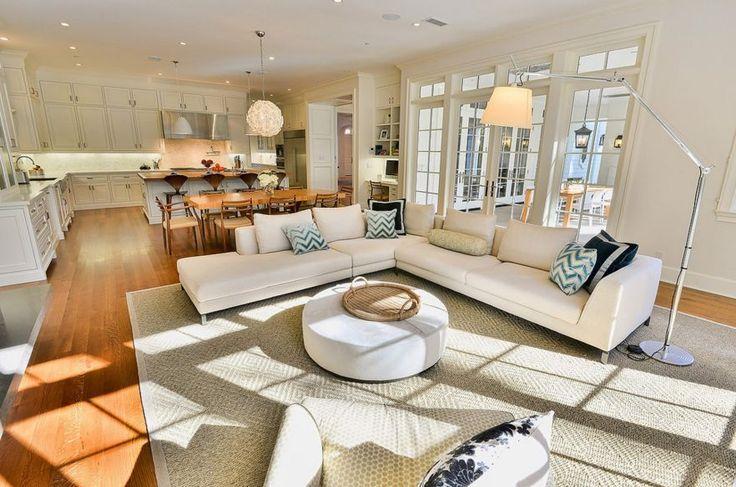 Benefits of Open Space Living, Pinterest
Challenges of Open-Concept Living Spaces
- Noise Control: The lack of walls can amplify noise, making it difficult to concentrate or relax. Soundproofing solutions may be necessary.
- Lack of Privacy: The open nature of the space can make it challenging to find privacy when needed. Consider incorporating designated quiet areas.
- Temperature Regulation: Heating and cooling an open space can be less efficient, as it requires conditioning a larger volume of air.
- Clutter Control: Open spaces require diligent organization and decluttering, as any mess is immediately visible.
- Defining Zones: Without walls, it can be difficult to visually define different areas within the open space. This can lead to a sense of disorganization.
- Smell Transmission: Cooking odors can easily spread throughout the entire open area. A strong ventilation system is essential.
- Potential for Echo: Large, open areas with hard surfaces can create echoes. Soft furnishings and textiles can help absorb sound.
- Heating and Cooling: Heating and cooling can be difficult, as the air is open in the whole house.
Importance of Color Schemes and Materials
- Color Cohesion: A consistent color palette throughout the open space creates a sense of unity and flow. Choose a base color and accent colors that complement each other.
- Zoning with Color: Use different shades or hues within the same color family to subtly define different areas. For example, a slightly darker shade in the dining area can differentiate it from the living room.
- Material Texture: Mix and match textures to add visual interest and depth. Combine smooth surfaces like glass and metal with rougher textures like wood and fabric.
- Creating Focal Points: Use bold colors or statement materials to create focal points in each zone, drawing the eye and adding personality.
- Reflecting Light: Lighter colors and reflective materials can maximize natural light and make the space feel brighter and more spacious.
- Establishing Mood: The choice of colors and materials can significantly impact the overall mood of the space. Warm tones create a cozy atmosphere, while cool tones evoke a sense of calm and sophistication.
- Acoustic Considerations: Use soft materials like rugs, curtains, and upholstered furniture to absorb sound and reduce echoes.
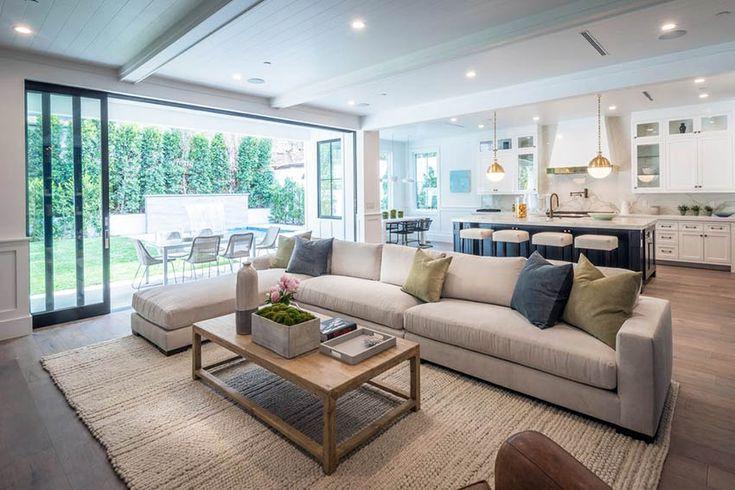 Importance of open space living, Pinterest
Tips for Achieving a Successful Open-Concept Space
- Plan the Layout Carefully: Before removing walls, meticulously plan the layout, considering furniture placement, traffic flow, and zoning.
- Define Zones with Furniture: Use furniture arrangements, rugs, and lighting to visually separate different areas within the open space.
- Create a Focal Point: Establish a focal point in each zone to draw the eye and add interest. This could be a fireplace, a piece of art, or a statement rug.
- Use Consistent Flooring: Maintain consistent flooring throughout the open space to create a sense of unity and flow.
- Incorporate Storage Solutions: Maximize storage opportunities to keep clutter at bay. Built-in shelving, storage ottomans, and concealed cabinets are excellent options.
- Invest in Good Lighting: Layer lighting to create a warm and inviting atmosphere. Combine ambient, task, and accent lighting.
- Consider Soundproofing: Add soft furnishings, rugs, and acoustic panels to absorb sound and reduce noise levels.
- Maintain a Consistent Style: Choose a consistent design style throughout the open space to create a cohesive look.
- Ventilation is Key:Install a powerful range hood in the kitchen to prevent cooking odors from spreading throughout the home.
- Don't Be Afraid to Use Rugs: Rugs are your friend! They delineate space and absorb sound.
- Consider Partially Open: A fully open concept isn't always necessary. Consider partial walls, pony walls, or screens.
- Hire a Professional: If you are unsure of where to start, consider hiring an interior designer or architect to help you plan and execute your open-concept renovation.
Conclusion
Open-concept living spaces offer a modern and versatile approach to home design, promoting social interaction and maximizing space. By carefully considering the benefits and challenges, and by implementing thoughtful design strategies, you can create a stylish and functional open-concept home that meets your needs and enhances your lifestyle.

explore further
Latest from Contemporary ideas
More from Innovations
Resources


