




Table of Contents
- Introduction
- Deck Popularity in Residential Spaces
- Importance of Maintaining Safety Standards
- Common Hazards Associated with Decks
- Environmental Considerations
- Materials and Construction Factors
- Safety Features and Enhancements
- Regular Maintenance Practices
- Legal Responsibilities and Liability
- Conclusion
- Faq's
Introduction
Decks are a popular feature in modern residential architecture, often serving as extensions of living space and enhancing outdoor enjoyment. However, while they can provide significant recreational benefits, decks also carry hidden dangers that can lead to serious accidents if proper safety measures are not adhered to. This article dives into the importance of maintaining safety standards around decks, the common hazards they present, and effective strategies to mitigate risks.
Deck Popularity in Residential Spaces
Decks have become increasingly popular in residential design, providing functional outdoor spaces for relaxation, entertainment, and family gatherings. They are often seen as an extension of the home, adding value and aesthetic appeal. The growth of outdoor living trends has amplified the demand for decks, leading to a surge in both DIY projects and professional installations across urban and suburban landscapes.
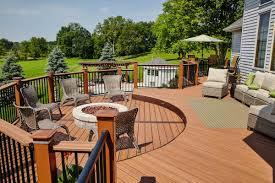 Deck Popularity in Residential Spaces,Pinterest
Importance of Maintaining Safety Standards
Prioritizing safety standards in deck construction and maintenance is crucial to preventing accidents. Adhering to local building codes and guidelines not only ensures structural integrity but also safeguards residents and guests from potential hazards. Homeowners must understand the importance of regular inspections and updates to meet safety requirements and protect their investments.
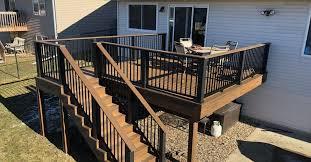 Deck Maintaining Safety Standards,Pinterest
Common Hazards Associated with Decks
Several hazards are commonly associated with decks, including:
- Structural failure due to improper construction or aging materials
- Slips, trips, and falls caused by wet surfaces or cluttered spaces
- Inadequate railings or guard systems resulting in falls
- Weather-related risks such as deterioration from sun exposure or moisture
- Pest infestations that compromise structural integrity
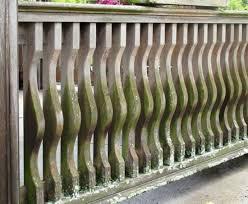 Common Hazards Associated with Decks,Pinterest
Environmental Considerations
Environmental factors can greatly impact deck safety and longevity. Weather conditions like heavy rain, snow, and high winds can affect materials and construction. Additionally, the choice of materials can influence resilience against environmental wear. Sustainable building practices, such as using rot-resistant woods or recycled materials, are becoming more prevalent, reflecting a growing awareness of ecological responsibility.
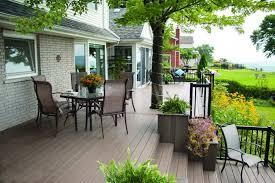 Environmental Considerations Decks,Pinterest
Materials and Construction Factors
The materials and construction methods used in deck building play a vital role in safety and durability. Common materials include wood, composite, and vinyl, each with unique characteristics affecting maintenance and risk of failure. Proper construction techniques, including correct fastening and support systems, are essential for ensuring stability and safety over time.
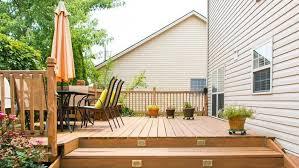 Deck Materials and Construction Factors,Pinterest
Safety Features and Enhancements
Implementing safety features on decks can significantly reduce the risk of accidents. Key enhancements include:
- Sturdy railings and guardrails that meet height and strength standards
- Non-slip coatings on deck surfaces to minimize slipping hazards
- Adequate lighting for nighttime visibility
- Gate installations to prevent unsupervised access by children
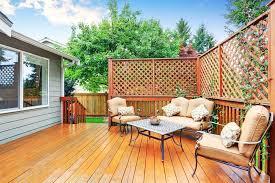 Safety Features and Enhancements,Pinterest
Regular Maintenance Practices
Regular maintenance is vital to ensure deck safety and longevity. Homeowners should perform routine inspections, clean surfaces to prevent mold and mildew, check for loose boards or deteriorating materials, and apply sealants or stains to protect against rot and weathering. Scheduling professional inspections can also help identify hidden issues before they escalate into serious hazards.
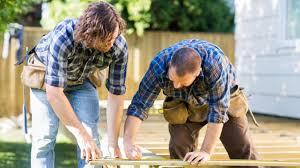 Regular Maintenance Practices,Pinterest
Legal Responsibilities and Liability
Homeowners are legally responsible for maintaining their decks in a safe condition. Failure to do so can lead to liability issues in the event of an accident. Understanding local regulations and ensuring compliance with safety codes is crucial. Additionally, liability insurance may be an essential safeguard for homeowners to protect against potential claims.
Conclusion
While decks enhance the beauty and functionality of residential spaces, they also pose potential dangers if not properly maintained and inspected. Homeowners must prioritize safety by adhering to standards, conducting regular maintenance, and implementing safety features. By doing so, they can mitigate risks and enjoy the benefits of their outdoor spaces without compromise.

explore further
Latest from Contemporary ideas
More from Innovations
Resources


