




Table of Contents
- Introduction
- The Role of Light in Interior Design
- Benefits of Using Mirrors
- Types of Mirrors for Windowless Spaces
- Placement Strategies
- Complementary Design Elements
- Maintenance and Care for Mirrors
- Conclusion
- Faq's
Introduction
In modern interior design, maximizing light and creating an illusion of space is crucial, especially in windowless areas. Mirrors serve as powerful tools to enhance these environments, reflecting light and adding depth. This article explores the role of light in design, the benefits of using mirrors, types suited for windowless spaces, strategic placement methods, and essential maintenance tips.
The Role of Light in Interior Design
Light is fundamental in creating ambience, defining spaces, and enhancing colors in interior design. Natural light, when available, opens up rooms, making them feel more expansive and inviting. In contrast, windowless spaces can feel cramped and gloomy. Effective lighting strategies, including the use of mirrors, can simulate a light-filled environment, making spaces feel larger and more welcoming.
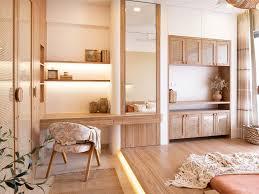 Role of Light in Interior Design,Pinterest
Benefits of Using Mirrors
- Enhanced Light Reflection: Mirrors reflect both natural and artificial light, brightening up dark areas.
- Creates Illusion of Space: Strategically placed mirrors can make small rooms appear larger.
- Visual Interest: Mirrors add texture and style, complementing various décor themes.
- Energy Efficiency: By maximizing light, mirrors can reduce the need for artificial lighting in the daytime.
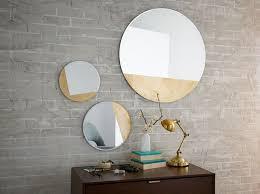 Benefits of Using Mirrors,Pinterest
Types of Mirrors for Windowless Spaces
Selecting the right type of mirror is crucial for maximizing its impact. Consider these options:
- Large Wall Mirrors: Cover entire walls or sections to create a dramatic effect and amplify light.
- Framed Mirrors: Add style and personality. Choose frames that complement the room's décor.
- Architectural Mirrors: Built-in mirrors that seamlessly integrate into the wall structure.
- Decorative Mirrors: Uniquely shaped or patterned mirrors that serve as focal points.
- Mirror Tiles: Create interesting patterns and textures on walls or backsplashes.
- Leaning Mirrors: Large, floor-standing mirrors that add a casual and elegant touch.
- Mirrored Furniture: Tables, consoles, or cabinets with mirrored surfaces that reflect light from multiple angles.
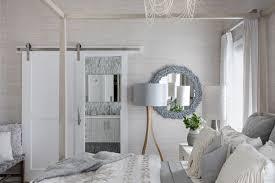 Types of Mirrors for Windowless Spaces,Pinterest
Placement Strategies
Effective mirror placement is key to achieving the desired results:
- Opposite a Light Source: Position mirrors directly across from a window (if any) or a primary artificial light source to maximize light reflection.
- Near Light Fixtures: Strategically place mirrors near lamps, sconces, or recessed lighting to amplify their illumination.
- At Eye Level: Hang mirrors at eye level to provide a natural and comfortable viewing experience.
- Reflecting a View: If possible, position mirrors to reflect a pleasing view from another room or even a piece of art.
- Grouping Mirrors: Create a gallery wall of mirrors for a unique and impactful design statement.
- Avoid Clutter: Be mindful of what the mirror reflects. Avoid reflecting cluttered areas, as this will amplify the visual chaos.
Complementary Design Elements
While mirrors are powerful, combining them with other design elements enhances their effectiveness:
- Light Paint Colors: Opt for light and reflective paint colors on walls and ceilings to maximize light bounce.
- Glossy Finishes: Incorporate glossy or semi-gloss finishes on furniture and accessories to reflect light.
- Light-Colored Flooring: Choose light-colored carpets, rugs, or flooring to contribute to overall brightness.
- Strategic Lighting: Utilize a combination of ambient, task, and accent lighting to create a well-lit and balanced space.
- Minimalist Decor: Avoid overcrowding the room with unnecessary items, as this can absorb light and make the space feel smaller.
- Sheer Curtains (if applicable): If there's a small window, use sheer curtains to allow maximum light while maintaining privacy.
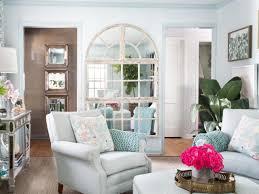 Complementary Design Elements,Pinterest
Maintenance and Care for Mirrors
To keep your mirrors sparkling and effective, follow these maintenance tips:
- Regular Cleaning: Dust mirrors regularly with a soft cloth.
- Gentle Cleaning Solution: Use a mixture of water and vinegar or a commercially available glass cleaner.
- Avoid Abrasive Cleaners: Do not use abrasive cleaners or scouring pads, as they can scratch the surface.
- Proper Drying: Dry mirrors with a clean, lint-free cloth to prevent streaks.
- Check for Damage: Regularly inspect mirrors for cracks or chips, and repair or replace them as needed.
Conclusion
Mirrors are an invaluable asset in transforming windowless spaces from drab and confining to bright, spacious, and inviting. By understanding the principles of light reflection, choosing the right types of mirrors, and implementing strategic placement, you can create a stunning and functional environment. Combine mirrors with complementary design elements to maximize their impact and unlock the full potential of your windowless room. With a little planning and creativity, you can turn a challenging space into a design triumph.

explore further
Latest from Contemporary ideas
More from Innovations
Resources


