





Table of Contents
- Introduction
- The Case for Pocket Parks
- Assessing Suitable Parking Lots
- Designing the Pocket Park
- Funding and Resources
- Implementation Steps
- Conclusion
- Faq's
Introduction
As urban areas grow and develop, the need for green spaces becomes increasingly essential for enhancing quality of life. With cities often saturated by expansive parking lots, there lies a unique opportunity to convert these underutilized spaces into pocket parks. These small urban parks not only serve as recreational areas but also provide ecological benefits, improve air quality, and promote social interaction among residents. This guide explores the potential of transforming parking lots into vibrant pocket parks, examining the rationale, assessing suitable locations, and outlining actionable steps for implementation.
The Case for Pocket Parks
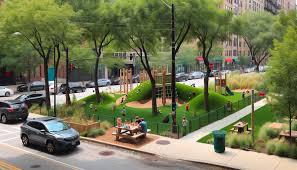
Pocket parks are small, green spaces designed to provide immediate relief from urban heat, promote social gatherings, and improve overall community well-being. The case for pocket parks includes:
- Environmental Benefits: They help mitigate urban heat islands, improve air quality, and support local flora and fauna.
- Social Cohesion: These parks serve as communal areas that encourage social interaction, fostering neighborhood relationships.
- Aesthetic Improvement: Pocket parks enhance visual appeal, improving streetscapes and boosting local property values.
- Health and Well-being: Access to green spaces has been linked to improved physical and mental health outcomes for residents.
 Urban Greenspaces,Pinterest
Assessing Suitable Parking Lots
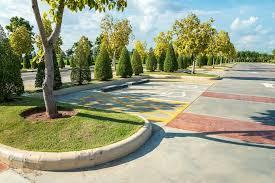
Identifying ideal parking lots for conversion requires an assessment of various factors, including:
- Location: Proximity to residential areas, schools, and public transport.
- Foot Traffic: Areas with high pedestrian traffic are more likely to benefit from social interaction.
- Environmental Impact: Consideration of existing flora and fauna and the ecological benefits of conversion.
- Current Use: Evaluate usage of the parking lot if underused, it may offer greater potential for transformation.
 Assessing Suitable Parking Lots,Pinterest
Designing the Pocket Park
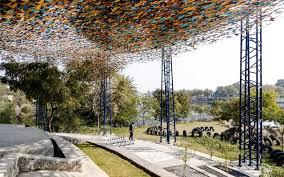
Designing a pocket park involves thoughtful planning to maximize its utility and appeal:
- Layout: Incorporate walking paths, seating areas, and native vegetation.
- Features: Include play areas for children, community gardens, or spaces for public art.
- Accessibility: Ensure the park is accessible to all community members, including those with disabilities.
- Sustainability: Use eco-friendly materials and landscaping techniques that require minimal maintenance.
 Designing the Pocket Park,Pinterest
Funding and Resources
Securing funding for pocket parks can be achieved through a combination of:
- Grants: Seek municipal, state, or federal grants dedicated to urban redevelopment and green space projects.
- Sponsorships: Partner with local businesses or nonprofits willing to invest in community improvement.
- Crowdfunding: Platforms can be utilized to gather community support and resources.
- Volunteer Initiatives: Mobilize local volunteers for maintenance and support.
Implementation Steps
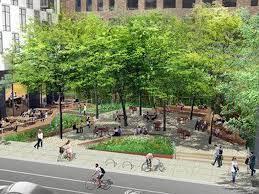
- Community Engagement: Involve residents in the planning process to ensure the park meets local needs.
- Design Approval: Finalize designs based on community feedback and obtain necessary permits.
- Funding Acquisition: Secure funds through grants, donations, or local government support.
- Construction: Implement the design through professional contractors or community-led projects.
- Maintenance Plan: Establish a strategy for ongoing maintenance and community involvement.
 Implementation Steps,Pinterest
Conclusion
Converting parking lots into pocket parks offers a sustainable solution to the need for green spaces in densely populated urban areas. With careful planning, community involvement, and creative design, these transformations can enhance the urban environment, foster social connections, and improve quality of life for residents.

explore further
Latest from Contemporary ideas
More from Innovations
Resources


