





Table of Contents
- Introduction
- Traditional Living Arrangements in Various Cultures
- Reasons for the Shift
- Benefits of Multi-Generational Living
- Generational Differences in Lifestyle and Values
- Designing Multi-Generational Spaces
- Successful Multi-Generational Living Situations
- Conclusion
- Faq's
Introduction
The concept of multi-generational living, where multiple generations of a family reside together under one roof, is witnessing a resurgence in contemporary society. This shift reflects changing social dynamics, economic realities, and a growing recognition of the advantages that such arrangements can provide. This article delves into the historical context, driving factors, and the numerous benefits of multi-generational living, while also addressing the design and adaptability of homes to foster harmonious relationships among different age groups.
Traditional Living Arrangements in Various Cultures
Multi-generational living has deep roots in many cultures worldwide. In Hispanic, Asian, and African communities, it is common for grandparents, parents, and children to live together. These arrangements promote familial ties, shared responsibilities, and cultural continuity. Such structures contrast with the Western norms of independent living, where aging parents often reside in separate facilities.
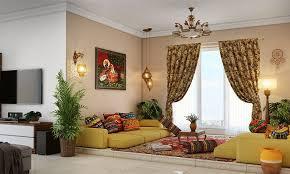 Traditional Living Arrangements,Pinterest
Reasons for the Shift
Several factors contribute to the increasing acceptance of multi-generational living. Economic pressures, such as rising housing costs and stagnant wages, compel families to pool resources. Additionally, the desire for stronger family bonds and the need for child and elder care are driving forces behind this trend. The COVID-19 pandemic further highlighted the importance of family support systems, accelerating the shift toward shared living arrangements.
Benefits of Multi-Generational Living
Multi-generational living offers numerous benefits. Financially, families can share costs related to housing, utilities, and childcare. Emotionally, it provides companionship and reduces feelings of isolation, especially among elderly family members. Children benefit from the wisdom and guidance of their grandparents, while parents receive support in parenting, creating a nurturing and robust family environment.
 Benefits of Multi-Generational Living,Pinterest
Generational Differences in Lifestyle and Values
Generational differences in lifestyle and values can pose challenges in multi-generational households. Younger generations may prioritize technology and contemporary social norms, while older generations might value tradition and privacy. Understanding and respecting these differences is critical in creating a cohesive living environment that accommodates varying preferences and lifestyles.
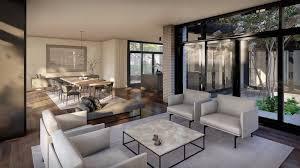 Generational Differences in Lifestyle and Values,Pinterest
Designing Multi-Generational Spaces
Designing homes for multi-generational living requires careful planning. Considerations include private living areas, shared communal spaces, and accessibility features for older adults. Flexible layouts that allow for privacy while fostering interaction can enhance the living experience. Outdoor spaces can also play a crucial role in promoting family bonding.
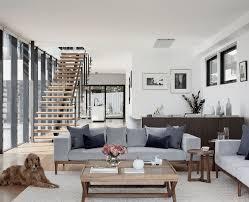 Designing Multi-Generational Spaces,Pinterest
Successful Multi-Generational Living Situations
Several examples of successful multi-generational living arrangements illustrate the effectiveness of this lifestyle. Families that establish clear communication, set boundaries, and engage in regular family activities often report higher satisfaction levels. Implementing shared responsibilities and routines can help mitigate conflicts and enhance cooperation among family members.
Conclusion
The shift toward multi-generational living signifies a transformative approach to family dynamics in today's society. By embracing this model, families can enjoy stronger bonds, shared resources, and enriched lives. With the right design and communication strategies in place, multi-generational living can be a sustainable and fulfilling way of life.

explore further
Latest from Contemporary ideas
More from Innovations
Resources


