




Table of Contents
- Introduction
- Understanding Universal Design Bathrooms
- Statistics on Disability and Aging Populations
- Benefits of Universally Designed Bathrooms
- Key Elements of Design
- Future Trends in Bathroom Design
- Conclusion
- Faq's
Introduction
The increasing awareness of accessibility in our environments has led to a significant transformation in bathroom design. Universally designed bathrooms prioritize the needs of individuals of various ages and abilities, ensuring that everyone can use them safely and comfortably. This design approach not only enhances usability but also promotes independence, dignity, and quality of life.
Understanding Universal Design Bathrooms
Universal design refers to the concept of creating spaces that are inherently accessible and usable by all people, regardless of their age, size, ability, or disability. In bathrooms, this entails thoughtful planning that addresses the requirements of diverse users, focusing on functionality, safety, and ease of use. Features such as grab bars, non-slip flooring, and open layouts are hallmarks of universally designed bathrooms.
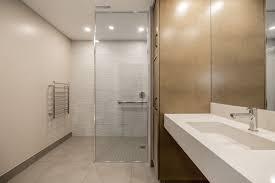 Understanding Universal Design Bathrooms,Pinterest
Statistics on Disability and Aging Populations
According to the World Health Organization, over 1 billion people live with some form of disability, representing 15% of the global population. With aging populations further contributing to this statistic, the need for universally designed spaces is becoming increasingly pertinent. Studies indicate that by 2030, nearly 1 in 6 people globally will be aged 60 years or older, underscoring the importance of inclusive design in both residential and public facilities.
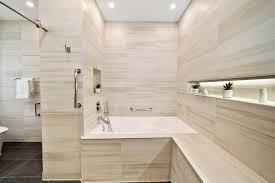 Bathroom Trends,Pinterest
Benefits of Universally Designed Bathrooms
- Enhanced Safety: Reduced risk of slips and falls through non-slip surfaces and grab bars.
- Increased Independence: Design features that support self-sufficiency for individuals with disabilities or limited mobility.
- Enhanced Comfort: Customized features cater to various physical needs, improving the overall user experience.
- Higher Property Value: Homes with universally designed features can appeal to a broader market, including aging buyers.
- Future-Proof Design: Accommodates changing needs over time as individuals age or circumstances change.
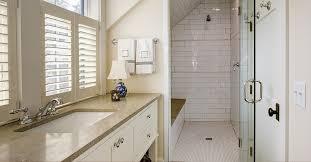 Benefits of Universally Designed Bathrooms,Pinterest
Key Elements of Design
- Wide Doorways: Facilitates wheelchair access and ease of movement.
- Walk-in Showers: Eliminates barriers associated with traditional tubs.
- Adjustable Fixtures: Height-adjustable sinks and shower heads benefit users of varying sizes.
- Non-Slip Flooring: Minimizes risks associated with wet environments.
- Grab Bars and Handrails: Provide support and stability for users.
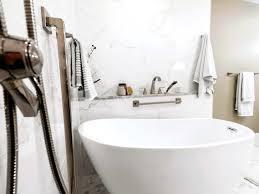 Key Elements of Design,Pinterest
Future Trends in Bathroom Design
As awareness and demand for inclusive spaces grow, trends in bathroom design are moving towards:
- Smart Bathrooms: Integrating technology for enhanced safety and convenience.
- Sustainable Materials: Eco-friendly materials that also cater to accessibility needs.
- Design Flexibility: Spaces that can be easily adapted as users' needs change over time.
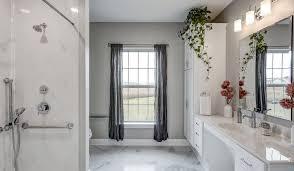 Future Trends in Bathroom Design,Pinterest
Conclusion
The rise of universally designed bathrooms is a crucial step toward creating inclusive environments that cater to all individuals, particularly as the global population ages. By prioritizing accessibility and usability in bathroom design, we not only enhance the quality of life for many but also foster a culture of inclusivity and respect for all.

explore further
Latest from Contemporary ideas
More from Innovations
Resources


