





Table of Contents
- Introduction
- What are Louvered Doors?
- Benefits of Louvered Doors in Kitchen Cabinets
- Louvered Doors in Different Kitchen Styles
- Integrating Louvered Doors into Your Kitchen
- Louvered Doors as a Design Element
- Conclusion
- Faq's
Introduction
Kitchen cabinets are the backbone of any culinary space, providing storage and defining the overall aesthetic. While solid-panel and glass-front cabinets are popular choices, louvered doors offer a distinctive alternative that combines functionality with eye-catching design. These doors, characterized by their horizontal slats (louvers), are more than just a decorative feature; they offer ventilation, texture, and a unique design element that can elevate your kitchen's style. This guide explores the many ways louvered doors can be incorporated into your kitchen, highlighting their benefits, suitability for different kitchen styles, and tips for seamless integration.
What are Louvered Doors?
Louvered doors consist of a frame holding a series of angled, horizontal slats (louvers). These slats can be fixed (non-adjustable) or adjustable, allowing you to control the amount of airflow and visibility. Originally used for windows and shutters, louvered designs have gained popularity in cabinet doors, bringing a touch of architectural detail and practical benefits to interior spaces. Common materials used in louvered doors include wood (various types), MDF (Medium Density Fiberboard), and occasionally metal or composite materials.
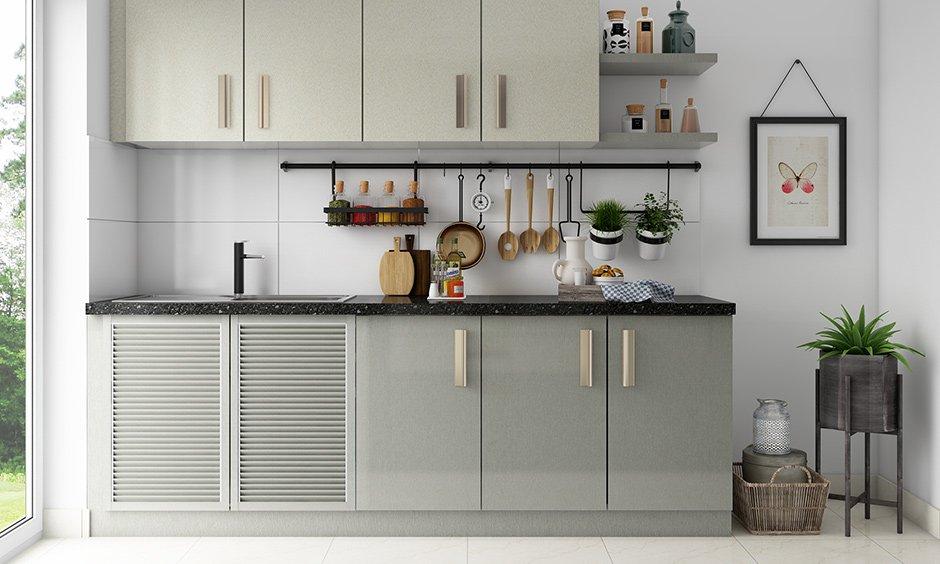 louvered doors kitchen cabinets,Design Cafe
Benefits of Louvered Doors in Kitchen Cabinets
- Ventilation: The slatted design promotes airflow, keeping stored items like dishes and spices fresher.
- Aesthetic Appeal: Louvered doors add texture and visual interest, enhancing the kitchen's overall design.
- Versatility: Available in various materials and finishes, they can complement any style from rustic to contemporary.
- Space Efficiency: Slatted doors can create a more open feel, making small kitchens appear larger.
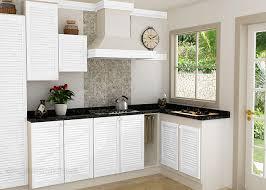 Louvered cabinet doors,Simply Shutters
Louvered Doors in Different Kitchen Styles
Coastal Kitchens: Louvered doors are a natural fit for coastal-themed kitchens, evoking a breezy, relaxed atmosphere. Painted in light colors like white, pale blue, or seafoam green, they enhance the seaside aesthetic.
- Farmhouse Kitchens: Louvered doors add a rustic and charming touch to farmhouse kitchens. Natural wood finishes or distressed paint techniques complement the farmhouse style.
- Transitional Kitchens: Louvered doors can be incorporated into transitional kitchens to add texture and visual interest without being overly traditional or modern.
- Modern Kitchens: While less common, louvered doors can be used in modern kitchens as accent pieces, adding a touch of warmth and organic texture to sleek, minimalist designs. Consider using darker stains or painted finishes to maintain a contemporary feel.
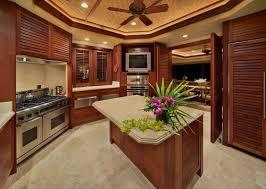 Louvered Doors Styles in Kitchen,Cabinetdoorsg
Integrating Louvered Doors into Your Kitchen
- Accent Cabinets: Use louvered doors on specific cabinets, such as a pantry, island cabinets, or above-the-range hood cabinet, to create a focal point.
- Appliance Garages: Louvered doors are perfect for concealing small appliances like coffee makers or toasters while still allowing them to vent heat.
- Pantry Doors: A louvered pantry door provides excellent ventilation, preventing moisture buildup and keeping food items fresh.
- Island Details: Incorporate louvered panels on the sides or back of a kitchen island to add visual interest and break up the solid mass.
- Mix and Match: Combine louvered doors with other cabinet styles (e.g., solid panel, glass-front) to create a layered and dynamic look.
Louvered Doors as a Design Element
- Hardware Selection: Choose cabinet hardware that complements the style of your louvered doors. Knobs, pulls, and hinges can enhance the overall aesthetic.
- Color Palette: Consider the color of your louvered doors in relation to your overall kitchen color scheme. Contrasting colors can create a bold statement, while complementary colors provide a more subtle effect.
- Louver Width and Spacing: The width and spacing of the louvers can affect the overall look. Wider louvers create a more modern feel, while narrower louvers are more traditional.
- Lighting: Consider how lighting will interact with the louvered doors. Backlighting can create interesting shadows and highlight the texture of the slats.
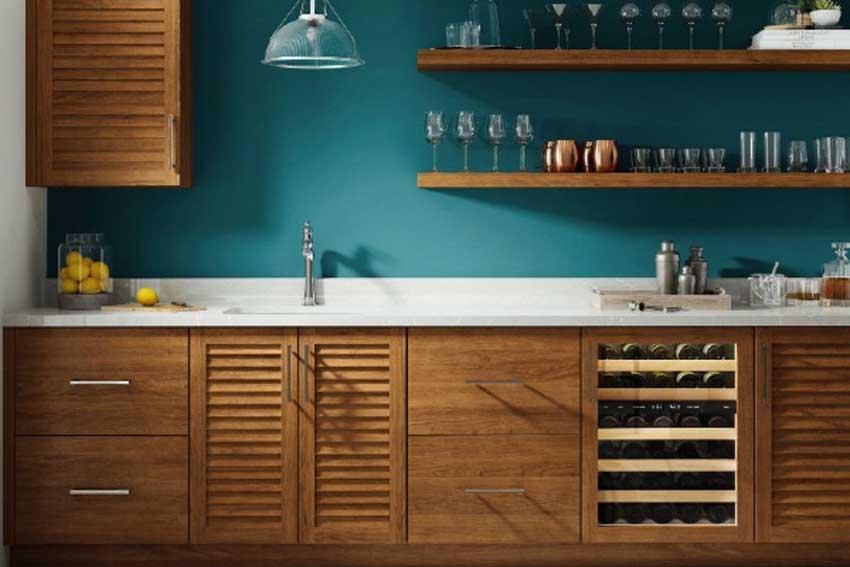 Louvered Doors as a Design Element,Decorpot
Conclusion
Louvered doors offer a unique and versatile way to enhance your kitchen cabinets. They provide ventilation, add visual interest, and complement a variety of kitchen styles. By carefully considering their placement, color, and hardware, you can seamlessly integrate louvered doors into your kitchen design and create a space that is both stylish and functional.

explore further
Latest from Contemporary ideas
More from Innovations
Resources


