




Table of Contents
- Introduction
- Understanding Space Requirements
- Affordable Design Ideas
- Design Aesthetics
- Outdoor Integration
- Energy Efficiency
- Safety and Accessibility Features
- Budgeting for Design
- Conclusion
- Faq's
Introduction
In today's fast-paced world, many small families are turning to single-floor living as a practical and economical housing solution. This design approach not only promotes simplicity and ease of access but also effectively addresses the needs of family members of all ages. With an emphasis on efficiency, space optimization, and safety, residents can create a welcoming environment without the constraints and complexities of multi-story living. This article explores essential considerations, affordable design strategies, and practical tips to help you craft a cozy single-floor home for your family.
Understanding Space Requirements
When designing a single-floor home, it's crucial to assess your family's specific space needs. Consider the number of occupants, the functions of each area, and potential growth in family size. Open floor plans can enhance perceived space, while dedicated areas for sleeping, living, and dining ensure functionality. Furthermore, incorporating multi-functional furniture can help maximize usable space, making the most of your single-story layout.
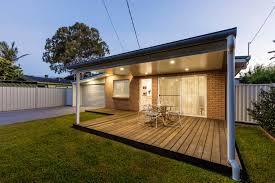 Single-Floor Living Space,Pinterest
Affordable Design Ideas
Affordable design doesn't mean compromising quality. Focus on simple and cost-effective solutions such as:
Multipurpose furniture: Use sofas that convert to beds or coffee tables with storage.
Wall-mounted shelving: Save floor space while displaying decor or organizing items.
Sliding doors: Optimize room accessibility and reduce the footprint of traditional doors.
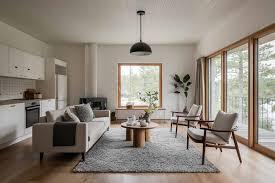 Affordable Design Ideas,Decorpot
Design Aesthetics
Creating an aesthetically pleasing environment in a single-floor home is crucial for fostering comfort and well-being. It's about transforming a space into a sanctuary that reflects personal style and promotes relaxation. One of the most impactful strategies is implementing a cohesive color palette. Consistency in color choices, even with subtle variations in tone and texture, creates a harmonious flow from room to room. Think beyond a single color; consider a palette of complementary hues that work together to evoke a desired mood - perhaps calming blues and greens for serenity, or warm earth tones for coziness.
Natural light is another powerful tool. Large windows and strategically placed skylights flood the interior with sunshine, making the space feel brighter, more spacious, and more inviting. Sheer curtains can filter the light gently, reducing glare while still allowing ample illumination. Consider the orientation of your home and maximize the potential for natural light in each room.
Finally, carefully chosen decorative elements can inject personality and warmth. Instead of cluttering surfaces with unnecessary items, curate a selection of meaningful pieces. Consider artwork that resonates with you, textiles that add texture and visual interest, and plants that bring life and vibrancy to the space. Minimalist design principles can be particularly effective in single-floor homes. Focusing on functionality, clean lines, and uncluttered spaces allows the architecture itself to shine while providing a sense of calm and order. By thoughtfully incorporating these elements, you can transform a single-floor home into a haven that is both beautiful and functional, enhancing the overall quality of life.
Outdoor Integration
Integrating indoor and outdoor spaces creates a harmonious living environment that blurs the lines between comfort and nature. Patio doors are the linchpin, acting as gateways that invite sunlight and fresh air while providing unobstructed views. Choosing the right style sliding, bi-fold, or French depends on your space and aesthetic preferences.
Beyond the door, the magic happens in the design of outdoor living areas. Consider covered patios or pergolas draped with climbing plants to provide shade and extend the usability of your outdoor space into different seasons. Comfortable outdoor furniture, like plush seating and dining sets, transforms patios into extensions of your living room.
Simple landscaping is key; focus on native plants that thrive in your climate. Container gardens are a versatile option, allowing you to experiment with colors and textures. Thoughtfully placed pathways guide you through the garden, inviting exploration and encouraging interaction with nature. The result is a seamless flow between indoors and outdoors, promoting relaxation, well-being, and a deeper connection with the natural world.
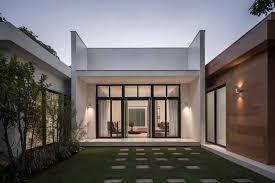 Outdoor Integration,Pinterest
Energy Efficiency
Energy-efficient designs not only lower utility bills but also promote sustainable living. Consider the following:
Insulation: Proper insulation keeps homes warm in winter and cool in summer.
Energy-efficient appliances: Opt for appliances with high energy ratings.
Natural lighting: Strategically placed windows reduce reliance on artificial lighting.
Safety and Accessibility Features
Safety and accessibility are paramount, particularly in single-floor designs. Ensure non-slip flooring, adequate lighting, and wide hallways. Incorporating grab bars in bathrooms and considering barrier-free entrance options can make homes safer and more accessible for all family members.
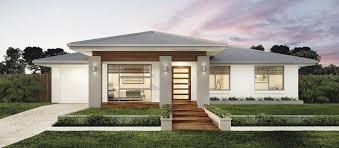 Safety and Accessibility Features,Pinterest
Budgeting for Design
Budgeting effectively is essential for affordable home design. Start by setting a realistic budget based on your priorities. Itemize anticipated expenses for construction, materials, and furnishings. Consider DIY projects for certain aspects to save on labor costs, and continually monitor expenses throughout the design process to stay on track.
Conclusion
Embracing single-floor living offers small families a multitude of benefits, from improved accessibility to enhanced functionality. With thoughtful design strategies, you can create a beautiful, affordable home that meets your family's needs while promoting comfort and wellbeing. By prioritizing space efficiency, aesthetic appeal, and safety, you can ensure that your single-story home becomes a cherished haven for years to come.

explore further
Latest from Contemporary ideas
More from Innovations
Resources


