




Table of Contents
- Introduction
- Definition of Space-Smart Homes
- Importance of Sustainable Living in India
- Key Characteristics of Space-Smart Homes
- Benefits of Space-Smart Homes
- Future Trends in Space-Smart Homes
- Conclusion
- Faq's
Introduction
In the context of rapid urbanization and escalating environmental concerns, the concept of sustainable living has gained significant traction globally. In India, where a substantial portion of the population is gravitating towards urban areas, the need for innovative housing solutions has never been more critical. Space-smart homes, which integrate smart technologies with sustainable practices, have emerged as a promising solution. These homes not only optimize space and resources but also contribute to the overall well-being of their inhabitants and the environment.
Definition of Space-Smart Homes
Space-smart homes refer to residential spaces designed to maximize usability and adaptability while minimizing ecological impact. They use smart technology to enhance efficiency, promote sustainable living practices, and optimize the use of available space. These homes harness renewable energy, utilize sustainable materials, and incorporate innovative designs to create a harmonious living environment that supports both the occupants and the wider ecosystem.
Importance of Sustainable Living in India
Sustainable living is crucial in India due to various social, economic, and environmental challenges. Rapid urbanization has resulted in increased pollution, energy demands, and resource depletion. Emphasizing sustainability can lead to:
- Environmental Protection: Reducing the carbon footprint and conserving natural resources protects ecosystems.
- Health Benefits: Sustainable homes can improve indoor air quality, promoting better health for residents.
- Economic Savings: Energy efficiency translates to lower utility bills and less reliance on expensive energy sources.
- Resilience to Climate Change: Sustainable practices help in adapting to climate-related impacts, enhancing community resilience.
 Importance of Sustainable Living in India,Pinterest
Key Characteristics of Space-Smart Homes
Space-smart homes encapsulate several essential characteristics that distinguish them from traditional housing:
- Efficient Use of Space: Thoughtful design enables multi-functional spaces, making small residential units more habitable.
- Smart Technology Integration: Home automation systems control lighting, heating, cooling, and security, optimizing resource use.
- Energy Efficiency: High-performance insulation, energy-efficient appliances, and renewable energy sources reduce energy consumption.
- Water Conservation Systems: Rainwater harvesting, greywater recycling, and low-flow fixtures conserve water resources.
- Sustainable Materials: Use of eco-friendly construction materials reduces environmental impact during and after construction.
- Biophilic Design: Incorporation of natural elements enhances well-being and reduces stress.
- Adaptive Reuse and Modular Structures: Utilizing existing structures or modular designs allows for flexibility and reduces construction waste.
 Key Characteristics of Space-Smart Homes,Pinterest
Benefits of Space-Smart Homes
Space-smart homes offer a multitude of advantages that appeal to homeowners, builders, and the environment:
- Lower Utility Costs: Efficient energy and water use reduce monthly expenses linked to utilities.
- Increased Property Value: Modern, sustainable homes are often in higher demand and can yield better resale values.
- Improved Quality of Life: Enhanced indoor environments contribute to better health, comfort, and overall well-being.
- Community Engagement: Fostering sustainable practices often leads to increased community awareness and participation in local environmental initiatives.
- Carbon Footprint Reduction: Sustainable actions taken by space-smart homes contribute to mitigating climate change.
- Self-Sufficiency: Many space-smart homes incorporate systems that support energy and water independence, providing resilience against utility service interruptions.
 Benefits of Space-Smart Homes,Pinterest
Future Trends in Space-Smart Homes
The evolution of space-smart homes in India is set to continue, with several future trends emerging:
- Increased Adoption of AI and IoT: Advanced technologies will further integrate into home systems, creating more automated and efficient living environments.
- Emphasis on Health and Well-being: Designs focusing on indoor health, including better ventilation, natural light, and connection to nature, will gain prominence.
- Sustainable Urban Development: New policies may encourage sustainable residential developments, promoting green spaces, and eco-friendly transportation options.
- Adaptive Reuse Projects: Revitalizing old buildings for modern use can reduce waste and preserve historical architecture while meeting modern living needs.
- Community-Centric Designs: Emerging neighborhoods may incorporate shared resources, such as community gardens and renewable energy systems, to promote collective sustainability efforts.
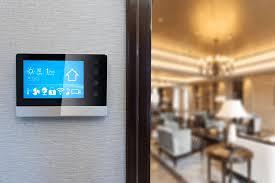 Future Trends in Space-Smart Homes,Pinterest
Conclusion
The rise of space-smart homes in India represents a significant advancement towards sustainable living. By marrying technology with eco-friendly practices, these homes provide practical solutions to address urban challenges while promoting a healthy lifestyle. As awareness of sustainability increases, the adoption of space-smart homes seems inevitable, paving the way for a greener future. Through innovative design, efficient use of resources, and a commitment to environmentally friendly practices, space-smart homes can contribute significantly to the overall well-being of residents and the planet.

explore further
Latest from Contemporary ideas
More from Innovations
Resources


