





Table of Contents
- Introduction
- Capital Gains Tax: Understanding Taxation on Property Sales
- Property Tax: Ongoing Obligations and Recent Reforms
- Goods and Services Tax (GST): Applicability in Real Estate Transactions
- Stamp Duty: State-Specific Charges and Recent Developments
- Recent Budget 2025 Reforms Affecting Real Estate Transactions
- Conclusion
- Faq's
Introduction
Selling real estate involves various tax considerations that can significantly influence your financial outcomes. The Union Budget 2025 has introduced several reforms aimed at enhancing affordability and stimulating the real estate sector. Understanding these changes is crucial for making informed decisions. This guide delves into the tax implications of selling real estate in 2025, covering capital gains tax, property tax, GST, stamp duty, and the latest budgetary updates.
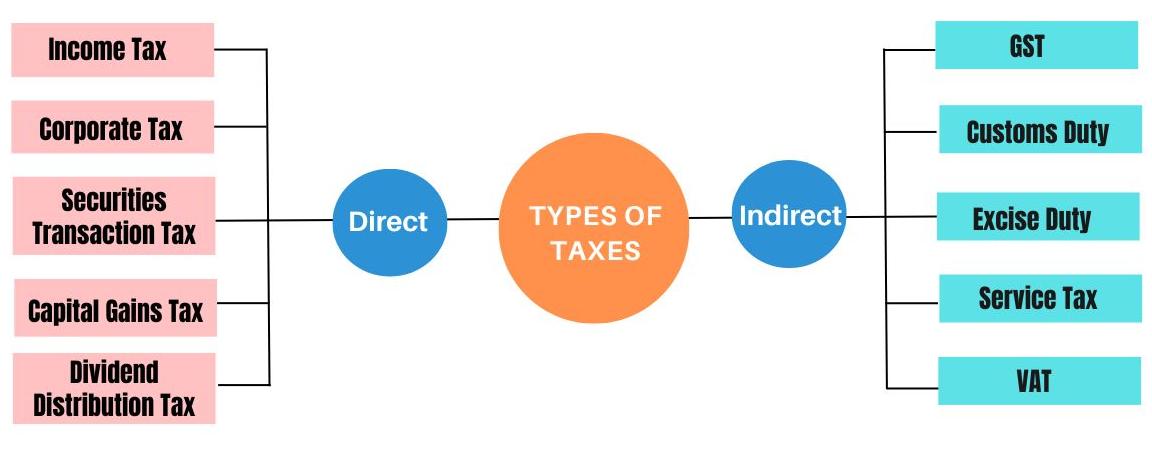 Types Of Taxes
Capital Gains Tax: Understanding Taxation on Property Sales
Short-Term Capital Gains (STCG): If you sell a property within two years of acquisition, the profit is considered short-term capital gain. As per the Union Budget 2025, the tax rate remains at 30% plus applicable cess. However, the increased income tax exemption limit to ₹12 lakh per annum may indirectly affect your overall tax liability.
Long-Term Capital Gains (LTCG): For properties held for more than two years, the gains are classified as long-term. The tax rate is 20% with the benefit of indexation, which adjusts the purchase price for inflation, thereby reducing the taxable gain. The Union Budget 2025 did not introduce changes to this provision.
Exemptions and Deductions: Under Section 54, you can claim an exemption on LTCG by reinvesting the proceeds into another residential property within a specified period. The Budget 2025 did not announce any changes to this provision.
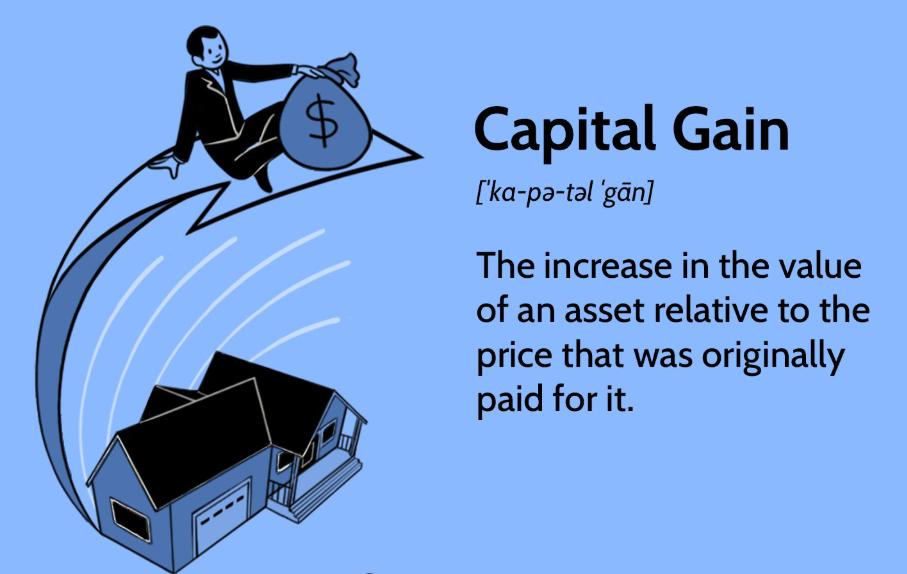 Capital Gains Definition
Property Tax: Ongoing Obligations and Recent Reforms
Property tax is an annual levy imposed by local authorities. The Union Budget 2025 introduced a significant reform allowing homeowners to claim nil annual value for up to two self-occupied properties, up from one. This change simplifies tax compliance and reduces the financial burden on property owners. It's essential to clear any outstanding property taxes before transferring the property to the buyer to avoid legal complications.
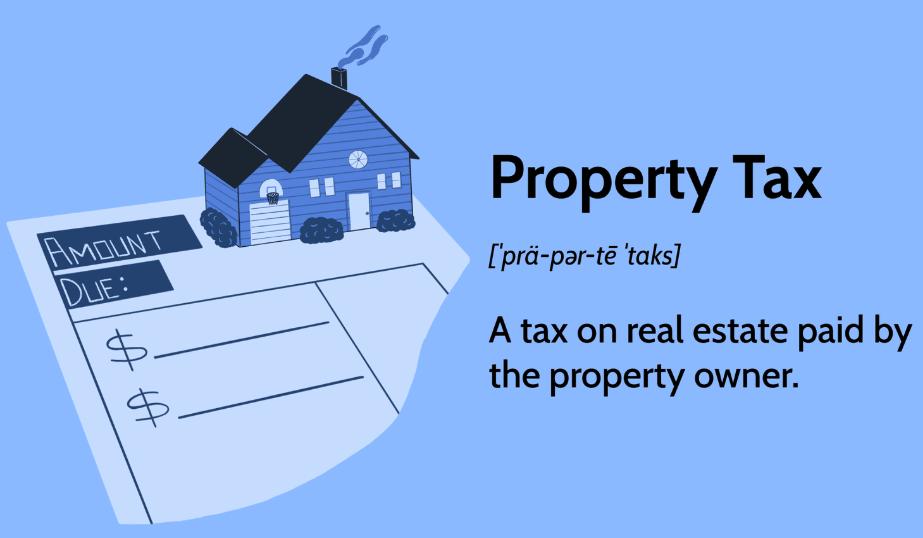 Property Tax Definition
Goods and Services Tax (GST): Applicability in Real Estate Transactions
GST is applicable to under-construction properties at a rate of 5%. The Union Budget 2025 did not introduce changes to GST rates for real estate transactions. However, the increased disposable income due to tax relief measures may influence consumer spending and demand in the housing market.
There is no GST on the sale of existing residential properties.
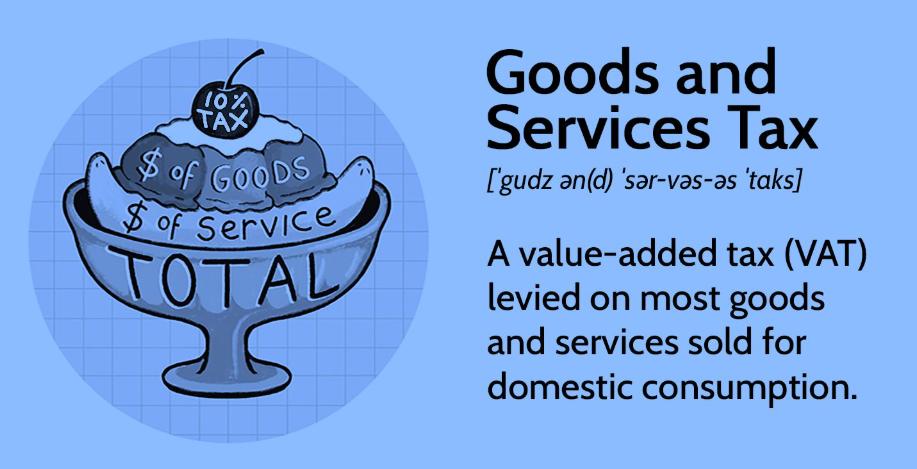 GST Definition
Stamp Duty: State-Specific Charges and Recent Developments
Stamp duty is a state-specific tax charged on the property transfer deed. Rates vary by state, generally ranging from 4% to 7% of the property value. The Union Budget 2025 did not announce any changes to stamp duty rates. Both buyers and sellers need to be aware of the applicable stamp duty charges, as they can affect the final price of the sale.
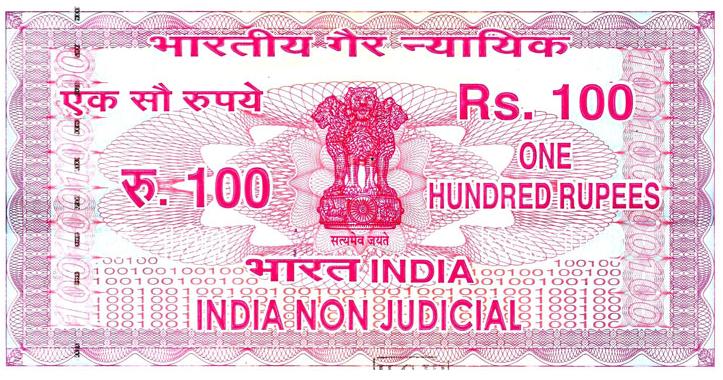 Stamp Duty
Recent Budget 2025 Reforms Affecting Real Estate Transactions
The Union Budget 2025 introduced several measures impacting the real estate sector:
- Increased Income Tax Exemption Limit: The exemption limit has been raised to ₹12 lakh per annum, enhancing disposable income and potentially stimulating demand in the housing market.
- Nil Annual Value for Two Self-Occupied Properties: Homeowners can now claim nil annual value for up to two self-occupied properties, simplifying tax compliance and reducing financial burden.
- SWAMIH Fund 2: A ₹15,000 crore fund has been established to expedite the completion of stalled housing projects, aiming to boost affordable housing availability.
- Infrastructure Development: An allocation of ₹1 lakh crore has been made for urban infrastructure projects, including the development of smart cities and urban transit systems, which is expected to enhance connectivity and livability.
Conclusion
Selling real estate in 2025 involves understanding various tax implications, including capital gains tax, property tax, GST, and stamp duty. The Union Budget 2025 has introduced reforms aimed at enhancing affordability and stimulating the real estate sector. Staying informed about these changes is crucial for making informed decisions and optimizing financial outcomes. Consulting with a tax professional is advisable to navigate these complexities effectively.

explore further
Latest from Home Buying Tips
More from Recommendations
Resources


