




Table of Contents
- Introduction
- Types of Climatic Conditions
- Importance of Understanding Climate Impact on Property
- Effects on Property Value
- Structural Implications
- Insurance and Financial Considerations
- Long-term Resilience and Adaptation
- Conclusion
- Faq's
Introduction
Climate change is no longer a distant threat; it's a present reality, profoundly impacting properties worldwide. From rising sea levels and increased flooding to extreme temperatures and wildfires, climatic conditions pose significant risks to property value, structural integrity, and overall safety. Understanding how different climatic conditions affect property is crucial for homeowners, investors, and policymakers alike. This guide explores the diverse ways climate change influences properties, highlighting the importance of adaptation and resilience strategies for a sustainable future.
Types of Climatic Conditions
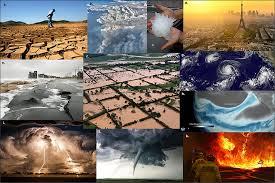
- Temperature Extremes: High heat and cold can affect energy efficiency and comfort.
- Precipitation: Levels of rainfall can lead to flooding or water scarcity.
- Humidity: High humidity can result in mold growth, whereas low humidity can cause structural damage.
- Wind Patterns: Strong winds can impact building design and construction materials.
- Sea-Level Rise: Properties in coastal areas are at risk of flooding and erosion.
- Natural Disasters: Regions prone to hurricanes, earthquakes, or wildfires face unique challenges.
 Types of Climatic Conditions,Travelling cross time
Importance of Understanding Climate Impact on Property
- Protecting Investment: Understanding climate risks allows property owners to make informed decisions about purchasing, maintaining, and improving their properties, safeguarding their investment.
- Ensuring Safety: Awareness of climate hazards helps residents prepare for and mitigate potential dangers, enhancing personal safety and well-being.
- Managing Risks: Knowledge of climate impacts enables proactive risk management strategies, such as flood insurance, building upgrades, and emergency preparedness plans.
- Promoting Sustainability: Understanding climate risks encourages sustainable building practices, resource conservation, and responsible land use, contributing to a more resilient future.
- Meeting Regulatory Requirements: Climate-related building codes and zoning regulations are becoming more prevalent. Understanding these requirements is vital for compliance.
 Climate Impact on Property,Pinterest
Effects on Property Value
- Decreased Demand: Properties in high-risk areas (e.g., flood zones, wildfire-prone areas) may experience decreased demand, leading to lower property values.
- Increased Insurance Costs: Insurance premiums rise in areas with higher climate-related risks, making properties less affordable and reducing their value.
- Impact of Disclosure Requirements: Mandatory climate risk disclosure laws (where applicable) can influence buyer perceptions and property values.
- Positive Impact of Resilience Measures: Properties with climate-resilient features (e.g., flood-proofing, fire-resistant materials) may command higher prices.
Structural Implications
- Foundation Damage: Flooding, drought, and extreme temperatures can compromise foundations, leading to cracks, settling, and structural instability.
- Roof Damage: High winds, hail, and heavy snow can damage roofs, leading to leaks and structural issues.
- Water Damage: Flooding, leaks, and excessive humidity can cause water damage to walls, floors, and ceilings, leading to mold growth and rot.
- Material Degradation: Extreme temperatures, UV radiation, and saltwater exposure can degrade building materials, reducing their lifespan and requiring more frequent repairs.
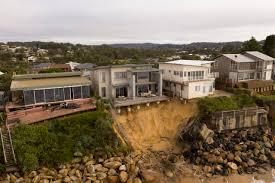
- Landslide & Erosion: Changes in rainfall, as well as rising sea levels, can destabilize areas, causing landslides and erosion that can damage or destroy properties.
Insurance and Financial Considerations
- Increased Premiums: Insurance companies are raising premiums in areas with higher climate-related risks.
- Coverage Limitations: Some insurance policies may exclude certain types of climate-related damage (e.g., flooding, landslides).
- Difficulty Obtaining Insurance: Properties in high-risk areas may struggle to obtain affordable insurance coverage.
- Mortgage Lending: Lenders are increasingly considering climate risks when assessing property values and loan applications.
- Disaster Assistance: Access to government disaster assistance programs may be limited or insufficient to cover all damages.
- Climate Bonds: Opportunities for green mortgage finance and climate bonds could increase the value of resilient properties.
 Insurance and Financial Considerations,Jennifer Jewell
Long-term Resilience and Adaptation
To enhance resilience, property owners and developers should invest in sustainable practices, such as energy-efficient designs, water conservation strategies, and disaster-resistant construction. These adaptations not only reduce risks but also lead to long-term cost savings.
Conclusion
Climatic conditions are a significant factor influencing property investment and management. By understanding and addressing these impacts, property owners can safeguard their investments, enhance structural integrity, and contribute to sustainable living practices.

explore further
Latest from Contemporary ideas
More from Innovations
Resources


