





Table of Contents
- Introduction
- Importance of Space in Home Design
- Understanding the Magic of Mirrors: How They Work
- How Mirrors Can Enhance Small Areas
- Types of Mirrors for Small Spaces
- Strategic Placement of Mirrors
- Styling Tips for Integrating Mirrors
- Safety Tips for Hanging Mirrors
- Conclusion
- Faq's
Introduction
In the realm of interior design, the clever use of mirrors transcends mere decoration; it's a powerful spatial manipulation tool. Mirrors can transform small spaces from feeling cramped and claustrophobic into airy, inviting environments that feel significantly larger. By reflecting light and creating an illusion of depth, mirrors not only enhance aesthetics but also improve functionality and overall well-being within a home. This comprehensive guide will explore various strategies for integrating mirrors into small areas to maximize both style and space, turning limited square footage into a design asset. We'll cover mirror types, placement techniques, styling tips, and essential safety considerations to ensure your mirror installations are both beautiful and secure.
Importance of Space in Home Design
Space is a critical and often undervalued component of effective home design. It's not simply about square footage; it's about how that footage is utilized and perceived. Well-utilized space contributes to a harmonious flow throughout the home, enhances livability, and promotes a sense of calm and order. In smaller homes or apartments, where space is at a premium, achieving this balance is vital for both comfort and style. Properly designed spaces with intentional decor including thoughtfully placed mirrors can create a powerful sense of openness, making even the smallest rooms feel expansive, welcoming, and conducive to relaxation and productivity. A poorly designed small space can feel cluttered and stressful, while a well-designed one can feel like a tranquil oasis. Considerations for furniture size, layout, and storage solutions are all crucial alongside the strategic use of mirrors.
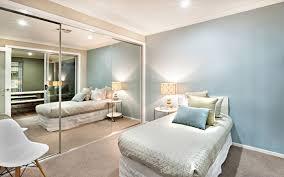 Mirrors to Expand Your Small Space ,Pinterest
Understanding the Magic of Mirrors: How They Work
Mirrors aren't just reflective surfaces; they are sophisticated tools that leverage light and perspective to create visual illusions. They work by reflecting both natural and artificial light sources, instantly making spaces feel brighter, airier, and more energetic. The reflection of light amplifies its impact, bouncing it further into the room than the original source could achieve. More than just reflecting light, mirrors alter the perception of a room's dimensions. Strategic placement can effectively "trick" the eye into seeing a larger area. For example, a mirror placed at the end of a narrow hallway can visually double its length, while a mirror placed behind a piece of furniture can make the area feel deeper. The key to understanding how mirrors work lies in recognizing their ability to manipulate visual boundaries and light distribution. Consider how mirrors react to different types of lighting (warm vs. cool, direct vs. indirect) to maximize their impact.
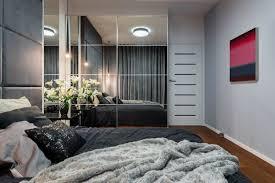 Magic of Mirrors,Pinterest
How Mirrors Can Enhance Small Areas
Mirrors serve multiple crucial purposes in small spaces beyond simple vanity.
- Amplifying Natural Light: Mirrors strategically placed near windows can bounce sunlight further into the room, reducing the need for artificial lighting during the day. This makes the space feel more open and alive. Imagine a room that only gets morning sun; a well-placed mirror can redirect that sunbeam deep into the space to enjoy it longer.
- Creating Focal Points: A large, decorative mirror can serve as the visual anchor of a room, drawing the eye and establishing a sense of style. This is particularly useful in small spaces where you want to avoid overwhelming the area with too many decorative elements.
- Establishing Balance and Symmetry: Mirrors can be used to create visual balance in a room, especially when paired with other design elements. For example, if you have a bookshelf on one side of a room, a mirror on the opposite side can create a sense of equilibrium.
- Adding Depth: Mirrors can create the illusion of depth, making a room feel larger than it actually is. This is particularly effective in narrow hallways or small bedrooms. Think about using a floor-to-ceiling mirror on one wall to create the feeling of an extended space.
These qualities are particularly beneficial in areas like narrow hallways (where they can visually widen the space), compact living rooms (where they can expand the seating area's perceived size), and tiny bedrooms (where they can make the room feel less claustrophobic). In these settings, maximizing every square inch is not just desirable; it's essential for comfort and overall quality of life.
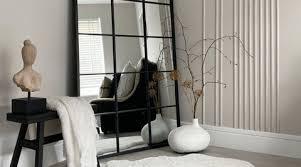 Mirrors to Enhance Small Areas,Pinterest
Types of Mirrors for Small Spaces
- Wall Mirrors: Large, flat mirrors that can be hung or mounted directly onto the wall. These are versatile and can be used in almost any room. Consider frameless mirrors for a sleek, modern look, or ornate frames for a more traditional style. Full-length mirrors are particularly effective for making a room feel taller.
- Decorative Mirrors: Stylish pieces that serve as both functional mirrors and artistic accents. These come in various shapes, sizes, and designs, making them perfect for adding personality to a space. Consider sunburst mirrors, geometric mirrors, or those with unique frames to add visual interest.
- Mirrored Furniture: Items like coffee tables, dressers, side tables, or even wardrobe doors with mirrored surfaces. These pieces not only reflect light but also add a touch of glamour and sophistication to the room. Be mindful of fingerprints and smudges, and choose durable mirrored surfaces that can withstand daily use.
- Mirrored Tiles: Tiles with a reflective surface that can be used in kitchens, bathrooms, or even as a decorative backsplash. These are great for adding subtle light and dimension to smaller spaces. Mirrored tiles can also be used to create interesting patterns and textures.
- Leaning Mirrors: Oversized mirrors designed to lean against the wall rather than being hung. These are great for adding a relaxed, bohemian vibe to a space and can create a dramatic focal point. Ensure the mirror is securely positioned to prevent tipping.
- Convex Mirrors: Also known as "fish-eye" mirrors, these offer a wide-angle reflection that can make a space feel larger and more open. They are often used as decorative accents in hallways or entryways.
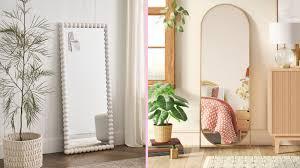 Types of Mirrors for Small Spaces,Pinterest
Strategic Placement of Mirrors
The placement of a mirror is just as important as the type of mirror itself. Here are some strategic placement ideas:
- Opposite Windows: This is perhaps the most effective way to amplify natural light. Placing a mirror directly opposite a window will reflect the outdoor view, effectively "doubling" the window and bringing more light into the room. Experiment with different angles to capture the most light.
- Narrow Hallways: Place a long, rectangular mirror along one wall of a narrow hallway to visually widen the space and create the illusion of greater width. Consider adding a light fixture above the mirror to further enhance the effect.
- Above Furniture: Hanging a mirror above a console table, fireplace mantel, or sofa can create a focal point and draw the eye upward, making the room feel taller. Choose a mirror that complements the style and scale of the furniture below.
- Ceiling Height: Floor-to-ceiling mirrors can dramatically elevate a room's appearance, creating a sense of grandeur and spaciousness. These are particularly effective in small bedrooms or living rooms. Consider using a single, large mirror or a series of smaller mirrors to create a similar effect.
- Dark Corners: Place a mirror in a dark corner to reflect light and brighten up the area. This can help to eliminate shadows and make the room feel more inviting.
- Behind Light Fixtures: Position a mirror behind a lamp or chandelier to amplify the light and create a more dramatic effect. The mirror will reflect the light, making the room feel brighter and more glamorous.
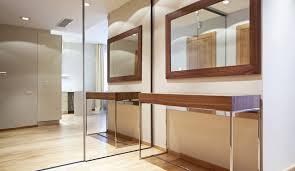 Strategic Placement of Mirrors,Pinterest
Styling Tips for Integrating Mirrors
- Create Layers: Don't be afraid to pair mirrors with other textures and materials to add depth and visual interest to your space. Mix mirrors with artwork, plants, and textiles to create a layered and inviting look.
- Use Color: Choose frames that complement or contrast with your existing decor. A brightly colored frame can add a pop of color to a neutral room, while a metallic frame can add a touch of glamour.
- Clustered Arrangements: Group smaller mirrors of varying shapes and sizes together to create an eclectic and visually appealing arrangement. This works well in hallways, entryways, or above a sofa.
- Framed Art: Use mirrors as art pieces themselves. Choose mirrors with interesting shapes, unique frames, or decorative details to add a touch of personality to your space.
- Avoid Clutter: Be mindful of what the mirror reflects. Avoid placing mirrors where they will reflect clutter or unsightly objects, as this can defeat the purpose of making the room feel more spacious.
- Consider the Reflection: Before placing a mirror, consider what it will reflect. A mirror that reflects a pleasant view or a beautiful piece of art will be more effective than one that reflects a blank wall or a cluttered corner.
Safety Tips for Hanging Mirrors
- Secure Anchors: Use heavy-duty wall anchors suitable for the weight of the mirror. Consult with a hardware professional if you are unsure which anchors to use. Never rely solely on nails or screws, especially for larger mirrors.
- Correct Height: Position mirrors at eye level for the best utility and aesthetics. This will ensure that you can easily see yourself in the mirror and that it looks proportionally correct in the room.
- Avoid Overloading: Do not exceed the weight limit of the hanging hardware. Check the manufacturer's instructions for the weight capacity of the hooks, wires, or hanging systems you are using.
- Regular Checks: Periodically ensure that the mirror is still securely fastened to the wall. Check for any signs of loosening or damage to the anchors or hanging hardware.
- Professional Installation: If you are unsure about your ability to safely hang a large or heavy mirror, consider hiring a professional installer. This is especially important for mirrors that are being hung in high-traffic areas.
- Placement Away from Traffic: Avoid placing mirrors in areas where they are likely to be bumped or knocked, especially by children or pets.
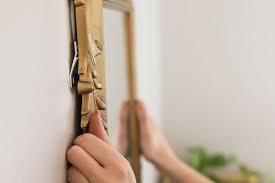 Safety Tips for Hanging Mirrors,Pinterest
Conclusion
Incorporating mirrors into small spaces is a powerful and versatile design strategy that can enhance both the form and function of a room. By understanding how mirrors work, carefully selecting the right types for your space, and placing them strategically, homeowners can create visually appealing, spacious, and light-filled environments, even within the confines of limited square footage. By prioritizing safety and thoughtful styling, you can transform your small space into a haven of comfort and style. The key is to see mirrors not just as decorative objects but as powerful tools that can manipulate light, space, and perception.

explore further
Latest from Contemporary ideas
More from Innovations
Resources


