




Table of Contents
- Introduction
- Composition of Limewash Paint
- Benefits of Limewash Paint
- Preparing for Limewash Application
- Application Process
- Maintenance of Limewash Paint
- Limewash Finishes and Effects
- Conclusion
- Faq's
Introduction
Limewash paint, a traditional and eco-friendly finishing product, has been used for centuries in architecture and design. Known for its unique aesthetic and breathable qualities, limewash offers an appealing alternative to conventional paints. This guide provides in-depth insights into the composition, benefits, application, and maintenance of limewash paint, helping you make an informed decision for your next painting project.
Composition of Limewash Paint
Limewash is a simple yet elegant mixture, traditionally composed of just a few key ingredients:
- Lime: The heart of limewash is slaked lime (calcium hydroxide), derived from limestone. The quality of the lime directly impacts the final result. Aged lime putty is generally preferred.
- Water: Water acts as the vehicle, carrying the lime and allowing it to be applied as a thin, workable paint.
- Pigments (Optional): Natural earth pigments are used to tint limewash, creating a wide range of subtle and nuanced colors. Avoid synthetic pigments, as they may compromise the paint's breathability.
- Additives (Optional): Some recipes include small amounts of additives like tallow, casein, or salt to improve adhesion or durability. It is important to use natural, breathable additives.
 Composition of Limewash Paint,Pinterest
Benefits of Limewash Paint
Limewash offers a multitude of advantages, making it a popular choice for both historical restoration and modern design:
- Breathability: Its porous nature allows walls to breathe, preventing moisture build-up and reducing the risk of mold and mildew. This is especially crucial in older buildings.
- Natural and Eco-Friendly: Made from natural materials, limewash is a sustainable and environmentally friendly alternative to synthetic paints. It's VOC-free, reducing indoor air pollution.
- Unique Aesthetic: Limewash provides a soft, matte finish with subtle variations in color and texture, creating a depth and character unmatched by other paints.
- Durability: Properly applied limewash becomes incredibly durable over time, bonding with the substrate and developing a beautiful patina.
- Antiseptic Properties: Lime has natural antiseptic properties, inhibiting the growth of bacteria and algae.
- Cost-Effective: The simple ingredients of limewash can make it a cost-effective option, especially when making your own.
 Benefits of Limewash Paint,Pinterest
Preparing for Limewash Application
Proper preparation is crucial for a successful limewash project:
- Surface Assessment: Identify the existing surface. Limewash works best on porous surfaces like plaster, brick, and stone.
- Cleaning: Thoroughly clean the surface to remove dirt, dust, grease, and loose particles. Use a brush or pressure washer.
- Repairing: Repair any cracks or imperfections in the surface with lime-based fillers or mortars.
- Priming (Optional): On some surfaces, a primer of diluted limewash or a lime-based primer may be necessary to improve adhesion.
- Dampening: Lightly dampen the surface with water before applying each coat of limewash. This helps the limewash bond and prevents it from drying too quickly.
- Testing: Always test the limewash on a small, inconspicuous area to ensure compatibility and desired color.
 Preparing for Limewash Application,Pinterest
Application Process
- Mixing: Thoroughly mix the limewash paint. Pigments may settle, so consistent mixing is essential.
- Tools: Use a wide masonry brush for application. A special limewash brush is ideal, but a good quality natural bristle brush will also work.
- Coats: Apply limewash in thin, even coats. Multiple coats (typically 2-4) are required to achieve full coverage and desired effect.
- Application Technique: Use overlapping strokes, working in a consistent direction. Avoid applying too much paint in one area.
- Drying Time: Allow each coat to dry completely before applying the next. Drying time can vary depending on humidity and temperature.
- Curing: Limewash continues to cure and harden over several weeks, becoming more durable with time.
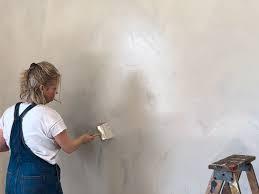 Application Process,Pinterest
Maintenance of Limewash Paint
Limewash is relatively low-maintenance, but here are a few tips:
- Cleaning: Gently dust or wipe the surface with a soft, damp cloth. Avoid harsh chemicals or abrasive cleaners.
- Recoating: Over time, limewash may require a fresh coat, typically every 5-10 years, depending on the environment.
- Repairs: Small cracks or chips can be repaired with lime-based fillers and touched up with limewash.
 Maintenance of Limewash Paint,Pinterest
Limewash Finishes and Effects
Limewash offers endless possibilities for creating unique and beautiful finishes:
- Color Washing: Applying diluted limewash in thin layers to create subtle color variations.
- Distressed Finish: Allowing some of the underlying surface to show through for a weathered, antique look.
- Fresco: Applying limewash to wet plaster and incorporating pigments to create murals.
- Textured Finishes: Adding aggregates like sand or marble dust to the limewash for a textured effect.
- Polished Plaster (Venetian Plaster): Using multiple layers of lime plaster to create a smooth, polished, marble-like finish.
Conclusion
Limewash paint is more than just a wall covering; it's an investment in the beauty, health, and longevity of your home. Its natural composition, breathability, and unique aesthetic make it a timeless choice for creating spaces that are both beautiful and sustainable. With proper preparation, application, and maintenance, limewash will continue to enrich your home for generations to come.

explore further
Latest from Contemporary ideas
More from Innovations
Resources


