





Table of Contents
- Introduction
- Importance of Proper Packing for Fragile Foods
- Pre-Packing Preparation: Planning and Gathering Supplies
- Choosing the Right Packing Materials
- Packing Techniques for Fragile Foods
- Labeling and Documentation
- Loading and Transporting Fragile Foods
- Unpacking and Settling In
- Conclusion
- Faq's
Introduction
Moving is stressful enough, but when you add fragile foods to the mix, the challenge intensifies. Whether it's Grandma's famous fruitcake, a jar of your prized homemade jam, or a box of delicate macarons, transporting these edible treasures requires special care and attention. This ultimate guide provides a step-by-step approach to packing fragile foods for a move, ensuring they arrive at your new home in perfect condition. We'll cover everything from pre-planning and material selection to expert packing techniques, safe transport, and unpacking strategies. Say goodbye to broken pastries and spilled sauces!
Importance of Proper Packing for Fragile Foods
- Preserving Quality and Taste: Explain how improper packing can lead to food spoilage, loss of flavor, and undesirable textures. Mention examples like crushed cookies, melted chocolate, or fermented sauces due to temperature changes.
- Preventing Damage and Waste: Highlight the financial cost of replacing damaged food. Emphasize the emotional value of some homemade items or specialty foods.
- Maintaining Food Safety: Explain how improper packing can create an environment for bacteria growth, leading to foodborne illnesses. Discuss temperature control and preventing contamination.
- Avoiding Mess and Cleanup: Detail the potential for spills, leaks, and messes that can occur if foods are not properly sealed and secured.
Example Content: "Fragile foods, by their nature, are easily susceptible to damage, spoilage, and contamination during a move. Unlike sturdy household items, a dropped box of cookies can turn into a pile of crumbs, and a leaky jar of homemade salsa can ruin everything else in its path. Proper packing is not just about avoiding a mess; it's about preserving the quality, taste, and safety of your precious edibles. Ignoring these steps can lead to wasted money, ruined sentimental items, and even potential health risks.
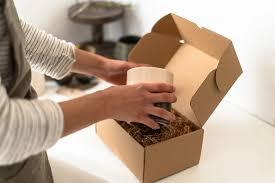 Food Packing Guide,Pinterest
Pre-Packing Preparation: Planning and Gathering Supplies
- Inventory and Decluttering: Advise readers to take stock of their fragile foods. Encourage them to use up perishable items before the move or donate what they can't transport.
- Determine Transport Method: Discuss if the items will be transported with you or if they will be transported with the moving company. Note any regulations regarding transporting perishable items on different moving companies.
- Timeline and Schedule: Suggest a timeline for packing, considering the shelf life of different foods.
- Essential Supplies Checklist:
Boxes (various sizes, sturdy cardboard)
Packing Paper (unprinted newsprint or butcher paper)
Bubble Wrap
Packing Tape (strong and wide)
Cooler(s) with ice packs (for perishables)
Freezer bags or airtight containers
Ziploc bags (various sizes)
Markers (for labeling)
Scissors or utility knife
Insulated containers
Cushioning materials (foam peanuts, air pillows)
 Packing Fragile Foods,Pinterest
Choosing the Right Packing Materials
- Box Selection: Emphasize using sturdy, corrugated cardboard boxes. Different sizes for different items.
- Protective Wraps (Paper vs. Bubble Wrap): Explain when to use packing paper (for cushioning and preventing shifting) and when to use bubble wrap (for impact protection).
- Specialty Containers: Discuss using airtight containers for sauces, liquids, and powders. Mention insulated containers for temperature-sensitive items.
- Cushioning Materials (Peanuts, Air Pillows): Explain the pros and cons of each, focusing on how they fill empty spaces and prevent movement.
Example Content: "Not all packing materials are created equal. Choosing the right supplies can make or break your fragile food transport. Opt for sturdy, corrugated cardboard boxes, selecting the appropriate size for each type of food. Too much empty space invites shifting and damage. For delicate pastries and cookies, use layers of packing paper to create a cushioning nest. Bubble wrap is your best friend when it comes to protecting jars of homemade sauces or fragile containers. Invest in airtight containers for liquids and powders to prevent spills and leaks. Finally, use packing peanuts or air pillows to fill any remaining gaps within the box, ensuring a snug and secure fit.
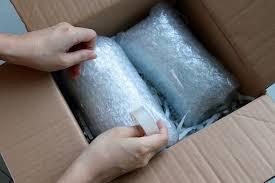 Right Packing Materials,Pinterest
Packing Techniques for Fragile Foods
- General Principles:
Wrap each item individually.
Create a cushion layer at the bottom of the box.
Fill empty spaces to prevent shifting.
Avoid overpacking (distributes weight unevenly)
Specific Food Examples:
Baked Goods (Cookies, Cakes, Pies): Individual wrapping, using cupcake liners, layering with parchment paper, using specific boxes designed for baked goods.
Jars and Bottles (Sauces, Jams, Oils): Wrapping in bubble wrap, securing lids with tape, placing in individual bags to contain leaks.
Fruits and Vegetables: Padding with packing paper, using breathable containers (if possible), separating ripe from unripe items.
Delicate Produce (Berries, Soft Fruits): Layering in shallow containers, using paper towels to absorb moisture.
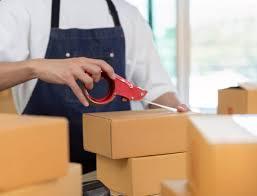 Packing Techniques for Fragile Foods,Pinterest
Labeling and Documentation
- Clear Labeling: Use bold, clear labels like "FRAGILE," "FOOD," "PERISHABLE," and "THIS SIDE UP."
- Contents List: Include a list of the box's contents for easy identification.
- Temperature Instructions: If applicable, label boxes with temperature requirements ("Keep Refrigerated," "Do Not Freeze").
- Date Packed: Add date packed information.
- Inventory List: Keep a master inventory list of all food items being moved.
Example Content: Once your fragile foods are expertly packed, the next crucial step is labeling. Use bold, clear markers to label each box with "FRAGILE" in large letters. Indicate the contents of the box (e.g., "Homemade Jams," "Delicate Cookies") and add any special instructions, such as "PERISHABLE" or "THIS SIDE UP." For temperature-sensitive items, clearly label the box with temperature requirements ("Keep Refrigerated"). Maintain a master inventory list of all food items being moved, along with the corresponding box numbers. This will make unpacking and settling in much easier.
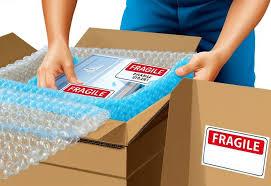 Labeling and Documentation,Pinterest
Loading and Transporting Fragile Foods
- Proper Handling: Emphasize gentle handling and avoiding stacking heavy boxes on top of fragile food boxes.
- Temperature Control: Discuss the importance of temperature control during transport, especially for perishable items. Using coolers with ice packs.
- Vehicle Placement: Suggest placing fragile food boxes in a secure location in the vehicle where they are less likely to shift or be damaged.
- Driving Considerations: Advise careful driving, avoiding sudden stops and sharp turns.
Example Content: "Loading and transporting fragile foods requires a delicate touch. Handle the boxes with care, avoiding any rough movements or dropping. Never stack heavy boxes on top of those containing fragile edibles. Temperature control is paramount, especially for perishable items. Use coolers with ice packs to maintain a safe temperature range. In your vehicle, choose a secure location where the boxes are less likely to shift or be exposed to extreme temperatures. Drive carefully, avoiding sudden stops and sharp turns. Remember, your precious cargo is counting on you to provide a smooth and safe journey."
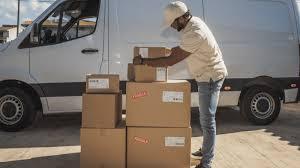 Loading and Transporting Fragile Foods,Pinterest
Unpacking and Settling In
- Prioritize Unpacking: Unpack fragile food boxes immediately upon arrival.
- Inspect for Damage: Carefully inspect each item for any signs of damage or spoilage.
- Proper Storage: Store food items in their appropriate places (refrigerator, pantry, etc.) as quickly as possible.
- Discard Damaged Items Safely: If any food has spoiled or been damaged, discard it safely.
Example Content: "The final step in your fragile food moving journey is unpacking and settling in. Prioritize unpacking your fragile food boxes as soon as you arrive at your new home. Carefully inspect each item for any signs of damage or spoilage. Store the food items in their appropriate places (refrigerator, freezer, pantry) as quickly as possible to maintain their quality and safety. If you discover any spoiled or damaged food, discard it safely to prevent contamination. With a little care and attention, you can ensure that your edible treasures arrive at their new destination in perfect condition, ready to be enjoyed.
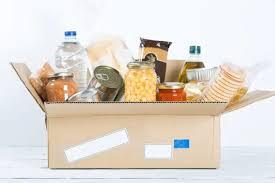 Unpacking and Settling In,Pinterest
Conclusion
Moving fragile foods doesn't have to be a stressful ordeal. By following these comprehensive steps, you can minimize the risk of damage and ensure that your edible treasures arrive at your new home safely and ready to enjoy. From careful planning and material selection to expert packing techniques and safe transportation, this guide provides the knowledge and tools you need to conquer the fragile food moving challenge. So, breathe easy, pack with confidence, and enjoy your culinary delights in your new home!

explore further
Latest from Contemporary ideas
More from Innovations
Resources


