




Table of Contents
- Introduction
- Classification of Lintels by Material
- Common Types of Lintels
- Considerations for Lintel Selection
- Applications of Lintels in Modern Construction
- Installation Techniques
- Conclusion
- Faq's
Introduction
In the realm of modern construction, the humble lintel plays a crucial role. A lintel is a horizontal structural member placed over an opening (like a door or window) to support the load from the structure above. Without a lintel, the weight above the opening would transfer directly to the sides, potentially causing instability or even collapse. Modern construction utilizes a variety of lintel materials and designs, each with its own advantages and best-suited applications. This comprehensive guide explores the different types of lintels commonly employed today, examining their characteristics, selection criteria, and installation techniques.
Classification of Lintels by Material
Lintels are primarily categorized by the material they are made of. The most common types are:
- Steel Lintels: Known for their high tensile strength and load-bearing capacity.
- Reinforced Concrete Lintels: Offer excellent compressive strength and are often precast for efficiency.
- Timber Lintels: Suitable for lighter loads and aesthetically driven designs.
- Stone Lintels: Durable and offer a natural aesthetic, though less common in large-scale projects.
- Brick Lintels: Made by layering bricks with a supporting structure.
- Composite Lintels: Combine different materials to get benefits from them.
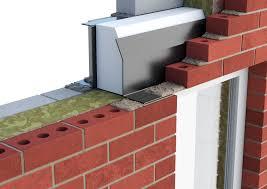 Classification of Lintels by Material,Pinterest
Common Types of Lintels
Expanding on the material classifications, let's delve into specific types:
- Steel Lintels:
Rolled Steel Joist (RSJ) Lintels: I-shaped beams providing high strength for larger spans.
Channel Lintels: U-shaped sections often used in conjunction with brickwork.
Box Lintels: Rectangular hollow sections offering high torsional stiffness.
Angle Iron Lintels: Used for supporting light loads over small openings. - Reinforced Concrete Lintels:
Precast Concrete Lintels: Manufactured off-site to exact specifications, ensuring consistent quality.
Cast-in-Place Concrete Lintels: Poured directly into formwork on-site, allowing for custom shapes and sizes.
Pre-stressed Concrete Lintels: Using tendons inside to strengthen the lintel structure. - Timber Lintels:
Solid Timber Lintels: Simple, cost-effective for smaller spans and lighter loads.
Laminated Timber Lintels (Glulam): Engineered wood product offering greater strength and span capabilities. - Stone Lintels:
Dressed Stone Lintels: Precisely cut and shaped stone blocks for a refined appearance.
Rubble Stone Lintels: Utilize irregular stone shapes, providing a rustic aesthetic (less common in modern construction). - Brick Lintels:
Arch Brick Lintels: Utilizing arch shape to hold load over an opening.
Soldier Brick Lintels: Bricks placed on their long, narrow edge.
 Common Types of Lintels,Pinterest
Considerations for Lintel Selection
Choosing the right lintel involves careful consideration of several factors:
Load Calculation: Determine the weight the lintel must support (dead load and live load).
Span Length: The distance between the supports significantly impacts the lintel's required strength.
Material Compatibility: Ensure the lintel material is compatible with the surrounding wall material (e.g., brick, concrete block).
Environmental Conditions: Consider exposure to moisture, temperature fluctuations, and potential chemical attack.
Aesthetic Requirements: The lintel should complement the overall design of the building.
Cost: Balancing performance requirements with budget constraints.
Durability: Consider lifespan of lintel and whether it requires maintenance.
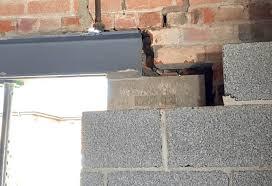 Considerations for Lintel Selection,Pinterest
Applications of Lintels in Modern Construction
Lintels are essential components in a wide range of modern construction applications:
- Residential Buildings: Supporting door and window openings in homes.
- Commercial Buildings: Handling larger spans and heavier loads in office buildings, retail spaces, and warehouses.
- Industrial Buildings: Supporting openings in factories, power plants, and other industrial structures.
- Infrastructure Projects: Used in bridges, tunnels, and other infrastructure elements.
- Renovation Projects: Replacing damaged or inadequate lintels in existing structures.
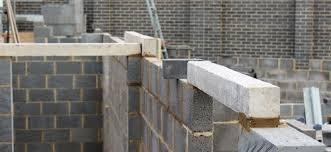 Applications of Lintels in Modern Construction,Pinterest
Installation Techniques
Proper installation is crucial for lintel performance and safety:
- Accurate Measurements: Ensure the opening is accurately measured to match the lintel's dimensions.
- Adequate Bearing: Provide sufficient bearing (overlap) of the lintel onto the supporting walls (typically 150mm minimum).
- Mortar Bedding: Use a full mortar bed to ensure even load distribution.
- Temporary Support: Provide temporary support during installation until the mortar has cured.
- Proper Alignment: Ensure the lintel is level and properly aligned.
- Professional Installation: For complex or high-load applications, consider hiring a qualified contractor.
- Water Proofing: Providing waterproofing is important to increase the lifetime of lintels.
Conclusion
Lintels are vital structural elements that ensure the stability and safety of buildings. Understanding the different types of lintels, their characteristics, and the factors influencing their selection is crucial for architects, engineers, and contractors. By carefully considering these aspects and adhering to proper installation techniques, you can ensure that lintels perform effectively and contribute to the long-term integrity of your construction projects.

explore further
Latest from Contemporary ideas
More from Innovations
Resources


