





Table of Contents
- Introduction
- Importance of Shear Walls in Structural Integrity
- Types of Shear Walls
- Factors Influencing Shear Wall Selection
- Conclusion
- Faq's
Introduction
Shear walls are critical structural elements that enhance the stability and strength of buildings against lateral forces, such as wind and seismic activity. By resisting shear and flexural forces, these vertical elements provide essential support, improving the overall integrity and durability of a structure. This article examines the various types of shear walls, their significance, and factors affecting their selection in construction projects.
Importance of Shear Walls in Structural Integrity
Shear walls play a vital role in maintaining structural integrity by providing a robust framework that resists lateral loads. They help minimize deflection and sway, ensuring that buildings remain stable during adverse conditions. Additionally, shear walls contribute to load distribution, enhance material efficiency, and improve the safety and longevity of structures, making them indispensable in modern construction.
Types of Shear Walls
- Reinforced Concrete Shear Walls:
Commonly used in high-rise buildings, these walls are designed to withstand significant lateral forces and are constructed using concrete reinforced with steel bars.
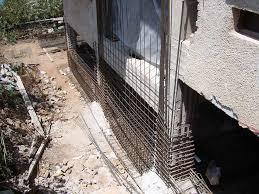 Reinforced Concrete Shear Walls,Seismosoft
- Masonry Shear Walls:
Made from brick, block, or stone, masonry shear walls provide good load-bearing capabilities and can be cost-effective, especially in low-rise buildings.
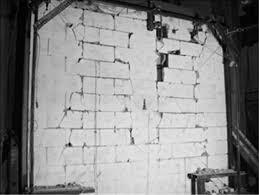 Masonry Shear Walls,HR Green
- Steel Shear Walls:
Utilized in some modern constructions, steel shear walls are prefabricated and installed on-site, offering substantial strength and flexibility.
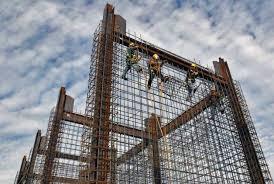 Steel Shear Walls, Researchgate
- Precast Shear Walls:
These are factory-manufactured concrete panels that can be quickly assembled on-site, providing rapid construction while maintaining structural integrity.
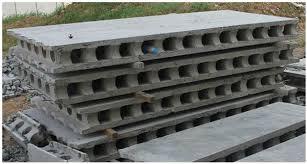 Precast Shear Walls,Open Civil Engineering Journal
- Composite Shear Walls:
Combining materials such as steel and concrete, composite shear walls are engineered for specific load requirements, maximizing strength and efficiency.
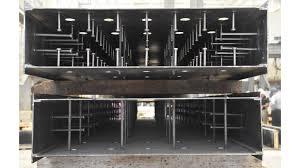 Composite Shear Walls,For Construction Pros
Factors Influencing Shear Wall Selection
- Building Height and Design: Taller structures require more robust shear walls to handle increased lateral forces.
- Material Availability: The choice may depend on the availability and cost of materials.
- Seismic Zone: Locations prone to earthquakes necessitate specific shear wall types and designs for optimal safety.
- Architectural Considerations: Aesthetic requirements and building layout influence shear wall placement and materials.
- Construction Time and Budget: Speed and cost-efficiency of construction can dictate material and design choices.
Conclusion
Shear walls are essential components of building design and construction, ensuring stability and safety against lateral forces. Understanding the types of shear walls and the factors influencing their selection is crucial for architects and engineers to effectively address structural integrity requirements in various construction projects.

explore further
Latest from Contemporary ideas
More from Innovations
Resources


