





Table of Contents
- Introduction
- What is a Home Inspection?
- Benefits of Home Inspections for Buyers
- The Home Inspection Process
- Common Issues Discovered During Inspections
- Costs Associated with Home Inspections
- Making the Most of Your Home Inspection
- Conclusion
- Faq's
Introduction
Buying a home is one of the most significant financial decisions most people will make in their lives. Among the steps in the home buying process, a home inspection plays a critical role in ensuring that buyers are making informed decisions. A home inspection provides a comprehensive examination of a property's condition, offering buyers the chance to uncover potential issues before closing the deal. This guide delves into what a home inspection is, its benefits, the typical process involved, common issues discovered, associated costs, and strategies for making the most of your home inspection.
What is a Home Inspection?
A home inspection is a detailed examination of a property's condition, typically conducted by a licensed and certified home inspector. The inspector assesses various components of the home, including the foundation, roof, plumbing, electrical systems, walls, ceilings, and appliances. The primary aim of a home inspection is to identify any existing or potential problems that could affect the property's safety, functionality, or value. Unlike an appraisal, which primarily assesses a property's market value, a home inspection focuses on the physical condition and safety of the home.
Benefits of Home Inspections for Buyers
- Identifying Hidden Issues: A home inspection can uncover hidden problems that may not be visible to the buyer during a casual walkthrough, such as structural issues, mold, or pest infestations.
- Negotiation Leverage: If significant issues are found, buyers can use the inspection report to negotiate repairs or a lower price with the seller.
- Future Planning: Understanding the condition of the home allows buyers to plan for future maintenance and repairs, which can save them money in the long run.
- Safety Assurance: Identifying safety hazards helps ensure that the home is safe for its occupants, providing peace of mind during the purchase process.
- Investment Protection: A thorough inspection protects a buyer's investment by ensuring they are not purchasing a property with serious issues that would require costly repairs.
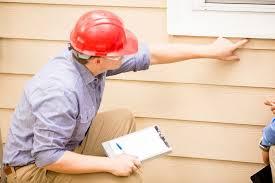 Benefits of Home Inspections for Buyers,Pinterest
The Home Inspection Process
- Choosing a Qualified Inspector: Buyers should seek out licensed and reputable home inspectors. Credentials, experience, and reviews from previous clients can help in making this choice.
- Scheduling the Inspection: Once a qualified inspector is chosen, the buyer coordinates with the seller to schedule the inspection, which usually takes place after an offer has been accepted.
- Conducting the Inspection: The home inspection typically lasts 2-4 hours, during which the inspector checks all key aspects of the home, documenting findings and taking photographs.
- Reviewing the Report: After the inspection, the buyer receives a detailed report outlining the condition of various home components, including photographs and recommendations for necessary repairs.
- Follow-up Actions: Based on the inspection report, buyers can decide whether to proceed with the purchase, negotiate repairs or credits, or, in some cases, walk away from the deal.
 The Home Inspection Process,Pinterest
Common Issues Discovered During Inspections
- Roof Problems: Missing shingles, leaks, or structural damage can indicate the need for major repairs or replacements.
- Foundation Issues: Cracks in walls, uneven floors, or shifting foundations are signs of potentially serious structural problems.
- Electrical and Plumbing Concerns: Outdated systems, poor grounding, leaks, or inadequate drainage can pose safety risks and require immediate attention.
- Pest Infestations: Evidence of termites, rodents, or other pests can lead to extensive damage if not addressed.
- Mold and Water Damage: Signs of moisture or mold can indicate hidden problems that can affect health and require remediation.
- HVAC System Issues: Problems with heating and cooling systems can affect comfort and result in high utility bills.
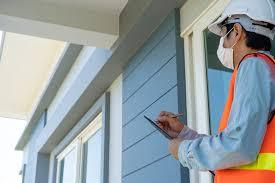 Common Issues Discovered During Inspections,Pinterest
Costs Associated with Home Inspections
The cost of a home inspection can vary widely based on factors such as the location, size, and age of the home. On average, buyers can expect to pay between 300and300 and 300and500 for a standard inspection. Additional costs may arise if specialized inspections are necessary, such as for pests, radon, or mold. Factors influencing costs include:
- Location: Urban areas often experience higher inspection fees compared to rural locations.
- Home Size: Larger homes may incur higher fees due to the increased time and effort required for inspection.
- Additional Services: Specialized inspections can add to the overall cost, depending on the services required and the standard rates in the region.
 Costs Associated with Home Inspections,Pinterest
Making the Most of Your Home Inspection
- Attend the Inspection: Buyers should accompany the inspector, take notes, and ask questions. This offers insight and aids understanding of the home's condition.
- Review the Report Thoroughly: Understand each issue highlighted in the report, focusing on major concerns rather than minor cosmetic problems.
- Seek Expert Opinions: For significant issues, consider hiring specialists (e.g., structural engineers, pest control) to further assess and provide estimates for repairs.
- Prioritize Repairs: Not all issues require immediate action. Determine which repairs are urgent and which can be addressed in the future.
- Use Findings for Negotiation: Leverage the inspection report to negotiate repairs or price adjustments with the seller.
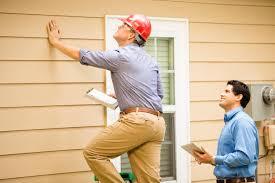 Making the Most of Your Home Inspection,Pinterest
Conclusion
A home inspection is an indispensable step in the home buying process, providing buyers with critical information about a property's condition. It serves to uncover hidden issues, offers negotiation leverage, and ensures the safety and security of the investment. By understanding the inspection process, recognizing common pitfalls, and maximizing the value of their inspection, buyers can make informed decisions that correspond to their needs and financial commitments.

explore further
Latest from Contemporary ideas
More from Innovations
Resources


