





Table of Contents
- Introduction
- Assessing Your Current Situation
- Evaluating Your Current Space Needs
- Budgeting for a Larger Home
- Analyzing the Real Estate Market in Your Desired Area
- Location Factors: Finding Your Perfect Neighborhood
- Determining Must-Have Features in a New Home
- Aligning Your Move with Future Family and Career Plans
- Essential Steps for Preparing to Upsize
- Conclusion
Introduction
Upsizing your home represents a significant life milestone, often triggered by exciting changes and new chapters. It's a reflection of growth whether it's a growing family, the desire for more space to pursue hobbies, the need for a dedicated home office, or simply a yearning for a home that better aligns with your evolving lifestyle. However, this decision isn't one to be taken lightly. It requires careful planning, honest self-reflection, and a strategic approach to ensure your new home truly meets your needs and supports your long-term goals. This comprehensive guide provides a framework for navigating the complexities of upsizing, helping you make informed decisions every step of the way. We'll explore the key considerations, from evaluating your current living situation to budgeting wisely and aligning your move with your future aspirations.
Assessing Your Current Situation
To make a well-informed decision about upsizing, start by conducting a thorough assessment of your current living situation:
- Space Limitations: Analyze the size of your current home. Are there rooms or areas that feel cramped or underutilized? Reflect on how these limitations impact your daily activities.
- Functionality: Examine the functionality of your home. Are there issues, such as insufficient storage or poorly designed layouts, that hinder your living experience?
- Lifestyle Impact: Identify how your living conditions affect your quality of life. Consider aspects like comfort, convenience, and whether your home feels like a sanctuary or a source of stress.
 Assessing Your Current Situation,Pinterest
Evaluating Your Current Space Needs
Understanding your space requirements is critical when upsizing:
- Room Count: Assess your current requirements for bedrooms and bathrooms, considering whether there will be more occupants in the future.
- Common Areas: Reflect on the layout of shared spaces, like living rooms and kitchens. Would an open-plan design better suit your lifestyle?
- Future Changes: Anticipate any changes that could affect your space needs in the coming years, such as needing a home office, guest rooms, or children's play areas.
 Current Living Conditions,Pinterest
Budgeting for a Larger Home
Financial planning is crucial during the upsizing process:
- Home Purchase Costs: Account for the purchase price of your new home, including the down payment and any closing costs.
- Additional Expenses: Factor in costs associated with renovations, higher property taxes, increased utility bills, and potential homeowners association (HOA) fees.
- Long-Term Financial Goals: Align your budget with your long-term financial strategy, including savings, investments, and retirement planning.
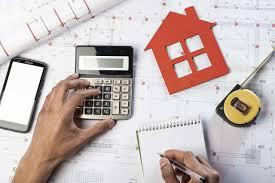 Budgeting for a Larger Home,Pinterest
Analyzing the Real Estate Market in Your Desired Area
Understanding the local market conditions will empower you as a buyer:
- Home Values: Investigate current home values in your desired neighborhoods to determine what you can afford.
- Inventory Levels: Look at the availability of homes within your budget; a competitive market may require quicker decision-making.
- Market Trends: Stay informed about rising or falling market trends, which can influence both your buying decision and potential future resale value.
 Market Trends,Pinterest
Location Factors: Finding Your Perfect Neighborhood
Location is arguably the most important factor to consider when upsizing.
- Proximity to Work: Consider your commute time and transportation options.
- Schools: If you have children, research the quality of the local schools.
- Healthcare: Ensure convenient access to hospitals, clinics, and doctors.
- Amenities: Look for amenities that are important to you, such as parks, restaurants, shopping centers, and recreational facilities.
- Safety: Research crime rates and neighborhood safety.
- Community Vibe: Visit the neighborhood at different times of day to get a feel for the community vibe.
- Future Development: Research any planned developments in the area, such as new highways or commercial projects.
- Property Taxes: Check the property tax rates in different areas, as they can vary significantly.
Determining Must-Have Features in a New Home
Creating a list of essential features will help you stay focused:
- Non-Negotiables: Identify key features that are must-haves, such as outdoor space, garage size, or specific kitchen amenities.
- Prioritization: Rank features by importance this will help you decide which compromises are acceptable when choosing your new home.
- Architectural Preferences: If architectural style matters to you, make sure it aligns with your vision for your dream home.
 Features in a New Home,Pinterest
Aligning Your Move with Future Family and Career Plans
Your new home should support your long-term vision:
- Family Expansion: If you plan to grow your family, consider how many bedrooms and living spaces you'll need.
- Career Considerations: Evaluate whether your location is convenient for your current job or potential career moves. A longer commute might be sustainable if your new home meets other essential criteria.
- Adaptability: Choose a home capable of adapting to your changing lifestyle, whether increasing space needs or adapting to new technologies.
Essential Steps for Preparing to Upsize
Preparation is key to a successful transition:
- Declutter: Streamline your current belongings before packing; this will simplify the move and help you visualize your new space.
- Research Neighborhoods: Evaluate schools, local amenities, and community resources in preferred areas to ensure they align with your lifestyle.
- Get Pre-Approved: Understanding your mortgage options and obtaining pre-approval will help you set a realistic budget and act quickly when you find a suitable property.
- Hire a Real Estate Agent: Partner with an experienced agent who knows the local market and can guide you through negotiations and paperwork.
- Plan Logistics: Create a timeline for packing and moving, and consider logistics to ensure a smooth transition, including hiring movers or renting a truck.
 Essential Steps for Preparing to Upsize,Pinterest
Conclusion
Upsizing can significantly enhance your family's quality of life, but the process requires thoughtful planning and decision-making. By carefully assessing your current situation, budgeting wisely, exploring the real estate market, and aligning your move with future plans, you can navigate this complex journey successfully. Embrace the excitement of finding a new, more spacious home that meets both your current and future needs.

explore further
Latest from Contemporary ideas
More from Innovations
Resources


