




Table of Contents
- Introduction
- Importance of Courtyards in Residential Architecture
- The Role of Courtyards in Vastu
- Ideal Location for Courtyards
- Design Elements of Vastu-Compliant Courtyards
- Maximizing Positive Energy
- Practical Tips for Enhancing Courtyard Energy
- Conclusion
- Faq's
Introduction
Courtyards, ancient and elegant, have been a cornerstone of residential design across cultures for centuries. In India, this architectural feature transcends mere aesthetics, deeply intertwined with the principles of Vastu Shastra. More than just an open space, the courtyard, often referred to as the Brahmasthan, is considered the heart of the home, a sacred zone that dictates the flow of vital energy, or prana. This article delves into the harmonious relationship between Vastu Shastra and courtyard design, exploring how the ancient wisdom can be applied to create a living space that promotes well-being, prosperity, and tranquility. We will examine the significance of the courtyard's placement, its dimensions, and its integration with other elements of the home, uncovering how adherence to Vastu principles can transform a simple open space into a powerful source of positive energy and a sanctuary for its inhabitants. By understanding and implementing these guidelines, homeowners can leverage the courtyard's inherent potential to foster a balanced and harmonious living environment.
Importance of Courtyards in Residential Architecture
Courtyards, far from being mere decorative elements, represent a deeply ingrained architectural tradition that has spanned centuries and cultures. From the sun-drenched patios of ancient Rome to the serene gardens of traditional Chinese homes and the breezy inner sanctums of Moroccan riads, the courtyard has proven to be a versatile and enduring design feature in residential architecture. Its enduring appeal lies not only in its aesthetic charm but also in its ability to seamlessly integrate nature into the living environment, promoting well-being, and creating a sense of privacy and community within the home.
Beyond simple aesthetics, courtyards are powerful tools for environmental control. They can act as natural cooling systems, channeling breezes and providing shade, thereby reducing reliance on energy-intensive climate control. They can also maximize natural light, brighten interior spaces, and offer a tranquil escape from the hustle and bustle of the outside world.
This introduction will explore the multifaceted importance of courtyards in residential architecture, delving into their functional, social, and psychological benefits. We'll examine how courtyards contribute to a comfortable and sustainable living environment, fostering a stronger connection with nature and enhancing the overall quality of life for residents. Furthermore, we will discuss the diverse interpretations of courtyard design across various cultures and climates, highlighting the adaptability of this architectural element and its ongoing relevance in contemporary residential design.
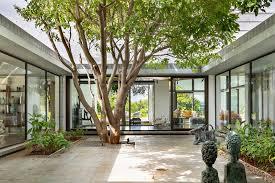 Courtyards in Residential Architecture,Pinterest
The Role of Courtyards in Vastu
In Vastu Shastra, the courtyard, often referred to as the "Brahmasthan" or the central void, holds immense significance as the energetic nucleus of a dwelling. Functioning as the heart of the home, the courtyard is believed to profoundly influence the psychological, physical, and even spiritual well-being of its inhabitants. More than just an architectural feature, it serves as a vital conduit for Prana, the life force, facilitating the unobstructed circulation of positive energies throughout the entire structure. Strategically designed according to Vastu principles, the courtyard harmonizes and balances the five fundamental elements of nature earth, water, fire, air, and space. By creating this equilibrium, it invites prosperity, promotes peace and harmony, and effectively reduces negative energies, fostering a more balanced and vibrant living environment. Its open space encourages natural light and ventilation, further enhancing the overall well-being of the occupants and connecting them to the rhythms of nature. The courtyard, therefore, becomes a sacred space, a source of vitality, and a key to unlocking the full potential of a Vastu-compliant home.
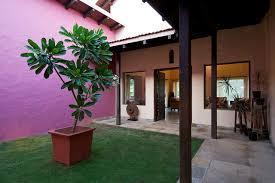 The Role of Courtyards in Vastu,Pinterest
Ideal Location for Courtyards
According to Vastu principles, the ideal location for a courtyard is typically in the center or the Brahmasthan of the house. This position allows for optimal sunlight and encourages the flow of positive energy. In some cases, aligning courtyards in the north or east direction can enhance benefits related to prosperity, health, and happiness.
Design Elements of Vastu-Compliant Courtyards
- Open Space: The courtyard should be predominantly open to the sky, allowing for the free flow of natural light and air. Avoid covering it completely.
- Plants: Include a variety of plants and trees to bring life and positive energy to the courtyard. Consider auspicious plants like basil (Tulsi), bamboo, and flowering plants.Avoid thorny plants.
- Water Features: A small fountain, pond, or birdbath can enhance the positive energy of the courtyard. Place water features in the northeast direction.
- Colors: Use light and natural colors like white, cream, and pastel shades to create a calming and harmonious atmosphere.
- Materials: Opt for natural materials like stone, wood, and clay to create a connection with nature.
- Avoid Obstructions: Ensure the courtyard is free from clutter, heavy objects, and any obstructions that can block the flow of energy.
- Seating Arrangements: Comfortable and inviting seating arrangements encourage relaxation and socialization.
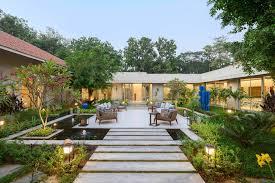 Design Elements of Vastu-Compliant Courtyards,Pinterest
Maximizing Positive Energy
Beyond the basic design elements, there are several ways to further enhance the positive energy of your courtyard:
- Cleanliness: Regularly clean the courtyard to remove dust, debris, and stagnant water.
- Aromatherapy: Use natural essential oils like lavender, sandalwood, or frankincense to create a calming and uplifting atmosphere.
- Sound: Introduce gentle sounds like wind chimes, flowing water, or soft instrumental music.
- Yantras and Mandalas: Consider incorporating Vastu-compliant yantras or mandalas into the courtyard design to amplify positive energy.
- Meditation Space: Designate a quiet corner for meditation and reflection.
Practical Tips for Enhancing Courtyard Energy
- Choose plants that thrive in your climate to maintain vibrancy.
- Incorporate seating areas for social interactions and relaxation.
- Use water features, like small fountains or ponds, for serenity.
- Avoid clutter and maintain a tidy space.
- Ensure that the courtyard is well-lit to enhance the positive ambience at night.
Conclusion
Courtyards are more than just an architectural feature; they are a powerful means of aligning your living space with the principles of Vastu Shastra. By thoughtfully positioning and designing courtyards, homeowners can invite positive energy, foster community connection, and create spaces that promote physical and mental well-being.

explore further
Latest from Contemporary ideas
More from Innovations
Resources


