




Table of Contents
- Introduction
- Understanding T-Junctions
- Positive Aspects of Living at a T-Junction
- Vastu Tips for T-Junction Homes
- Conclusion
- Faq's
Introduction
In Vastu Shastra, residing at a T-junction poses specific challenges and opportunities that can significantly impact the energy and harmony of a home. The road convergence at a T-junction can create an influx of energy, which, if not managed properly, may lead to negative effects such as stress and instability for the inhabitants. However, strategic architectural and design choices can mitigate these challenges. For instance, positioning the main entrance of the home away from the road can help shield the dwelling from overwhelming energy. Incorporating elements like plants or water features can act as natural barriers, fostering a sense of tranquility. Additionally, using applicable color schemes and materials in the interior design can enhance positive energy flow, promoting well-being and prosperity. By aligning the home's design with Vastu principles, residents can harness the unique dynamics of a T-junction to create a balanced and harmonious living environment that supports their health and happiness.
Understanding T-Junctions
The convenience of a T-junction, facilitating easy access and navigation, often belies a more complex energetic environment, particularly in densely populated areas. The increased traffic volume converging at such junctions can translate into a heightened sense of activity and, potentially, stress. This constant influx and outflow of energy can create a feeling of unease and instability for residents living near T-junctions. The perceived constant movement and noise pollution can disrupt sleep patterns, elevate stress levels, and contribute to a general feeling of being overwhelmed. Furthermore, the concentration of exhaust fumes and potential for accidents can negatively impact physical health, exacerbating respiratory issues and increasing anxiety. Vastu Shastra, an ancient Indian system of architecture, recognizes this heightened energy and emphasizes the importance of carefully considering the orientation and placement of a house at a T-junction. According to Vastu principles, specific alignments and design elements can be employed to mitigate the potential negative impacts and instead channel the energy in a way that fosters peace, positivity, and well-being for the inhabitants. The goal is to create a sanctuary that is shielded from the chaotic external energy and promotes a balanced and harmonious living environment.
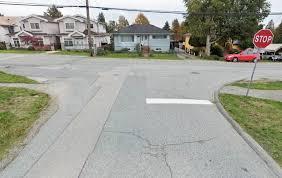 Understanding T-Junctions,Pinterest
Positive Aspects of Living at a T-Junction
Living at a T-junction can offer several positive aspects:
- Accessibility: T-junctions often provide easy access to multiple roads, making it convenient to reach various destinations, such as work, schools, and shopping areas.
- Visibility: Homes at T-junctions can benefit from increased visibility, which may be advantageous for small businesses or if homeowners desire a prominent location.
- Traffic Flow: Depending on the area, the traffic flow can be steady but not overly congested, allowing for smoother commutes compared to busier intersections.
- Community Interaction: Living at a T-junction may foster a sense of community, as it can become a natural gathering point for neighbors, promoting social interaction.
- Urban Design Opportunities: Such locations may encourage better urban planning initiatives, such as parks or community spaces, enhancing the neighborhood environment.
- Potential for Views: Homes at a T-junction might have unique views of the intersection, allowing for a broader perspective of the surrounding area.
- Emergency Services Access: Proximity to main roads can facilitate quicker access for emergency services, potentially increasing safety for residents.
- Variety of Local Amenities: T-junctions often serve as transit points that might lead to nearby amenities, such as restaurants, shops, and recreational areas.
- Increased Property Value: Due to their advantageous locations, properties at T-junctions may maintain or increase in value, especially in high-demand areas.
- Potential for Unique Architecture: Homes at such intersections might incorporate unique architectural features to take advantage of their positioning, potentially enhancing aesthetic appeal.
 Aspects of Living at a T-Junction,Pinterest
Vastu Tips for T-Junction Homes
- Main Entrance: Position the main entrance on the side opposite the incoming road to reduce negative energy.
- Boundary Walls: Invest in solid boundary walls or fences to create a protective barrier from traffic.
- Landscaping: Use plants or trees to buffer the home from the t-junction, helping to absorb excess energy.
- Lighting: Ensure proper lighting to enhance visibility and reduce the feeling of unease associated with road traffic.
- Decor: Consider Feng Shui elements; avoid sharp corners pointing directly at the home, which can create "sha" or negative energy.
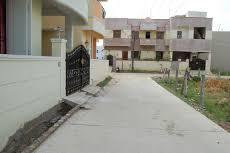 Tips for T-Junction Homes,Pinterest
Conclusion
Living near a T-junction presents a unique set of challenges stemming from the concentrated energy flow inherent in these intersections. Beyond the obvious convenience, residents often experience a sensory overload from the constant stream of vehicles, pedestrians, and associated noises. This relentless activity generates a heightened sense of alertness and, for many, a subtle but persistent feeling of being "on edge." The sheer volume of traffic translates not just into noise pollution, disrupting sleep and concentration, but also into a palpable feeling of energetic disturbance. The constant comings and goings create a sense of instability, a lack of quietude that can slowly erode one's peace of mind. The visual stimulation alone - headlights flashing, brake lights flaring, pedestrians hurrying - contributes to a state of heightened awareness that can be exhausting over time. Furthermore, the physical environment is often compromised by increased air pollution from idling vehicles and a higher risk of accidents, adding to the anxieties of those living nearby. This combination of sensory overload, energetic disturbance, and physical health concerns can significantly impact the quality of life for T-junction residents, leading to increased stress levels, fatigue, and a diminished sense of well-being.

explore further
Latest from Contemporary ideas
More from Innovations
Resources


