





Table of Contents
- Introduction
- The Aesthetic Appeal of Views
- Lifestyle Advantages
- Social Dynamics of High-Rise Living
- Sustainability and Innovation
- Challenges of High-Rise Living
- Conclusion
- Faq's
Introduction
The dream of owning a home has evolved. For many, it's no longer a white picket fence but a breathtaking panorama viewed from a high-rise apartment. High-rise living is experiencing a surge in popularity, offering a unique blend of convenience, style, and community, but comes with its own set of considerations. In this comprehensive guide, we'll explore the allure of high-rise living, delving into its aesthetic appeal, lifestyle advantages, social dynamics, sustainability efforts, and the potential challenges that come with residing amongst the clouds.
The Aesthetic Appeal of Views
One of the most compelling aspects of high-rise living is the breathtaking views. Residents enjoy panoramic vistas of city skylines, sunsets, and natural landscapes, transforming everyday life into a visual feast. These striking views contribute not only to the aesthetic value of the residence but also enhance mental well-being, offering a sense of connection to the larger world.
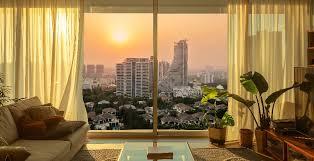 The Aesthetic Appeal of Views,Pinterest
Lifestyle Advantages
High-rise living presents numerous lifestyle benefits including proximity to urban amenities, reduced commute times, and access to a vibrant community atmosphere. Many high-rise buildings feature on-site facilities such as gyms, swimming pools, and communal spaces, promoting an active, social lifestyle. Additionally, the trend towards mixed-use developments provides residents with essential services within walking distance.
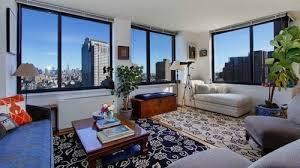 Lifestyle Advantages,Pinterest
Social Dynamics of High-Rise Living
Living in a high-rise fosters a unique social environment, allowing for interactions with a diverse array of neighbors. Shared amenities and events can create a sense of community, enhancing social networks. However, this arrangement can also lead to challenges like privacy concerns and varying levels of engagement among residents, shaping the overall community dynamic.
Sustainability and Innovation
High-rise buildings often incorporate innovative and sustainable design features, such as energy-efficient systems, green roofs, and rainwater harvesting. These advancements contribute to reducing the ecological footprint of urban living. As cities grow, high-rise constructions can also minimize land use, thereby preserving green spaces and contributing to more sustainable urban planning.
Challenges of High-Rise Living
While high-rise living offers numerous advantages, it also presents challenges. Issues like noise, limited outdoor space, and the dependence on elevators can impact the quality of life. Furthermore, emergency preparedness and building maintenance are crucial considerations that residents must navigate. Understanding and addressing these challenges is essential for a fulfilling high-rise experience.
Conclusion
High-rise living embodies a blend of aesthetic appeal, lifestyle conveniences, and community dynamics that resonate with many urban dwellers. Despite its challenges, the allure of skyline views and innovative design continues to attract a diverse range of residents. As cities evolve, high-rise living stands as a testament to modern urban life and its potential for sustainability and community.

explore further
Latest from Contemporary ideas
More from Innovations
Resources


