





Table of Contents
- Comprehensive Guide
- Understanding Residential Waste Management
- Types of Residential Waste
- Effective Home Waste Disposal Practices
- Residential Solid Waste Management
- Managing Home Hazardous Waste
- Wastewater Treatment for Homes
- Home Renovation Waste Disposal
- Need for Waste Segregation
- Main Impacts of Waste
- Faq's
Comprehensive Guide
Waste management for residential establishments is a critical aspect of maintaining cleanliness, health, and sustainability in our communities. Effective waste disposal not only keeps our homes and neighborhoods tidy but also protects the environment from pollution and conserves natural resources. This guide provides an in-depth look at various waste management practices for residential areas, covering everything from solid waste disposal to handling hazardous materials.
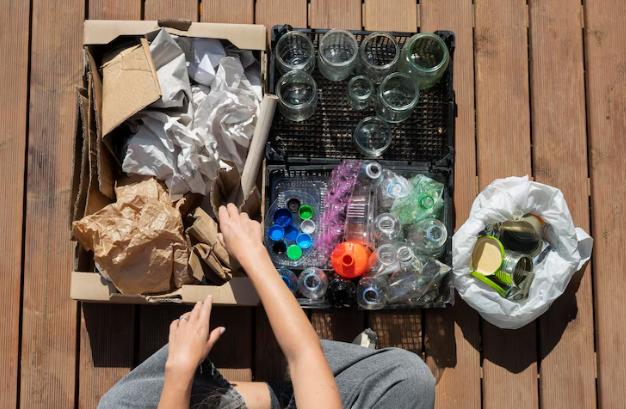 Segregation of Waste
Understanding Residential Waste Management
Residential waste management involves the collection, transportation, processing, and disposal of waste produced by households. It encompasses a wide range of materials, including solid waste, recyclables, organic waste, hazardous materials, and wastewater. Implementing effective waste management strategies can help reduce the amount of waste sent to landfills, minimize environmental impact, and promote recycling and reuse.
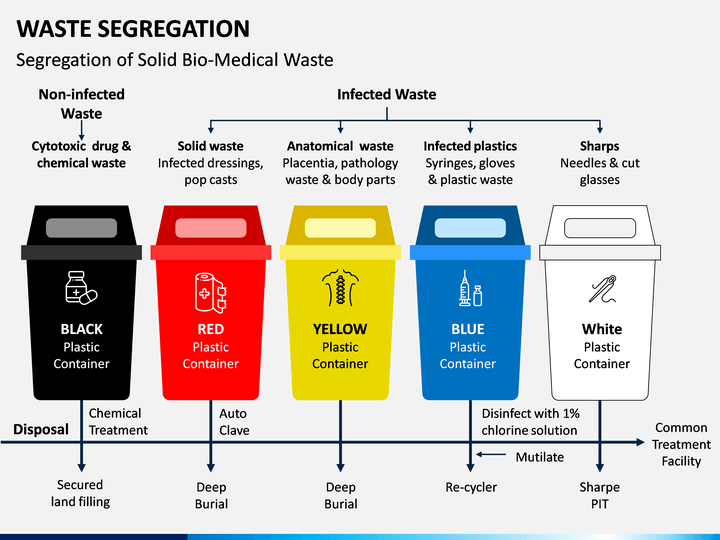 Waste Segregation Overview
Types of Residential Waste
Solid Waste: Includes everyday items like packaging, bottles, food scraps, and paper.
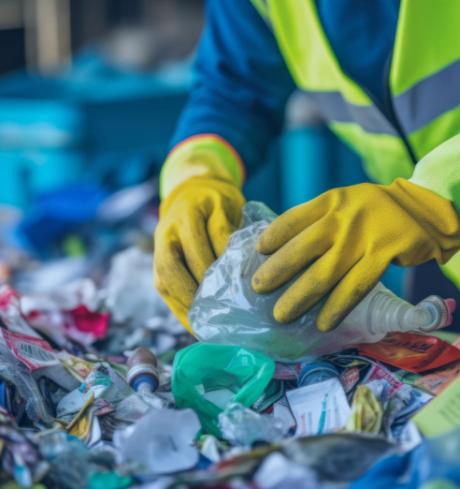 Solid Waste
Recyclable Waste: Materials that can be processed and used again, such as glass, plastic, paper, and metals.
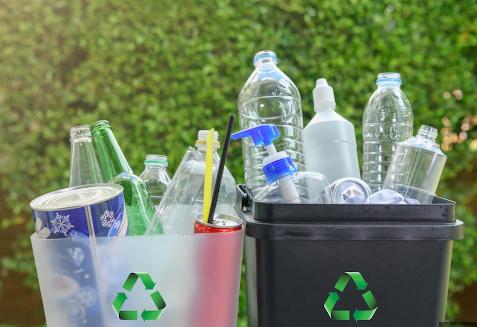 Recyclable Waste
Organic Waste: Biodegradable waste like food scraps and garden clippings.
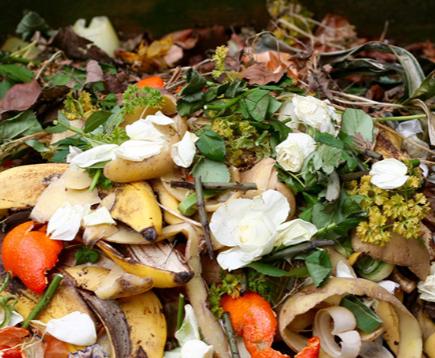 Organic Waste
Hazardous Waste: Includes items like batteries, paint, chemicals, and electronics that require special handling.
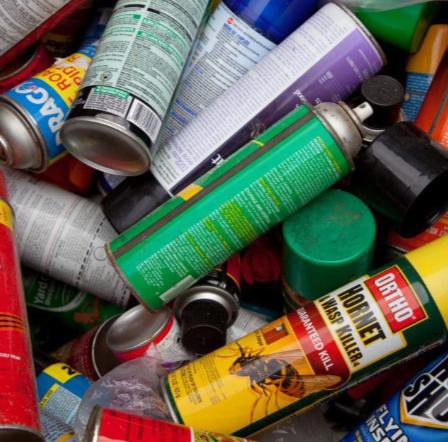 Hazardous Waste
Medical Waste: Waste from home healthcare activities, such as syringes and expired medications.
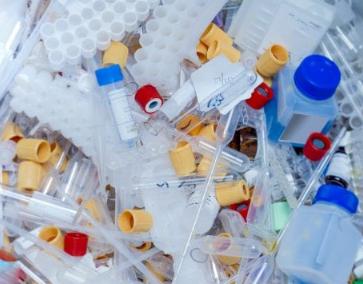 Medical Waste
Construction Waste: Debris from home renovations, including concrete, wood, and metals.
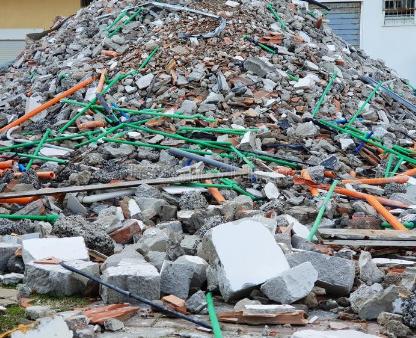 Construction Waste
Wastewater: Water that has been used in homes for activities like bathing, washing, and cooking.
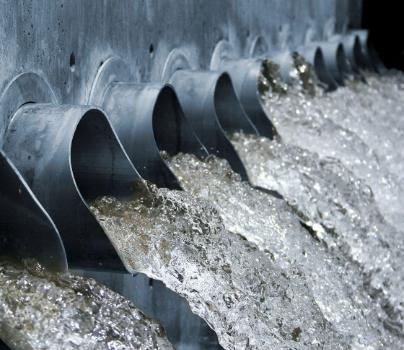 Wastewater
Effective Home Waste Disposal Practices
Home waste disposal involves several key practices to ensure waste is managed effectively and sustainably:
- Segregation: Separate waste into categories like organic, recyclable, and non-recyclable. This makes recycling easier and reduces contamination.
- Recycling: Utilize local recycling programs to dispose of items like paper, plastic, glass, and metals. Many communities offer curbside pickup for recyclables.
- Composting: Composting organic waste, such as food scraps and yard waste, can reduce the volume of waste and produce valuable compost for gardening.
- Proper Disposal of Hazardous Waste: Items like batteries, paint, and chemicals should be taken to designated hazardous waste disposal sites. Never dispose of these items in regular trash or down the drain.
- Medical Waste Disposal: Use special containers for sharps and take expired medications to pharmacy take-back programs.
- Waste Reduction: Adopt practices that reduce waste generation, such as using reusable bags, containers, and minimizing packaging waste.
Residential Solid Waste Management
Residential solid waste management involves systematic approaches to handling the waste produced in homes:
- Collection Services: Regular waste pickup services are essential. Many municipalities offer scheduled pickups for different types of waste, including recyclables and organic waste.
- Waste Sorting Facilities: Facilities where waste is sorted into recyclables, compostables, and landfill waste help ensure proper disposal and recycling.
- Education and Awareness: Educating residents about proper waste segregation and disposal practices is crucial for effective waste management.
- Community Initiatives: Local programs like neighborhood clean-ups, recycling drives, and composting workshops can encourage community participation in waste management efforts.
Managing Home Hazardous Waste
Home hazardous waste disposal requires special attention due to the potential risks to health and the environment. Here are some guidelines:
- Identify Hazardous Waste: Common household hazardous waste includes paint, cleaners, oils, batteries, pesticides, and electronics.
- Use Designated Disposal Sites: Many communities have designated collection sites or events for hazardous waste disposal. Check with your local waste management authority for information.
- Avoid Improper Disposal: Do not pour hazardous liquids down the drain or dispose of them in regular trash. This can lead to environmental contamination.
Wastewater Treatment for Homes
Wastewater treatment for homes involves managing and treating water that has been used in domestic activities. Key methods include:
- Septic Systems: For homes not connected to municipal sewage systems, septic tanks treat wastewater on-site.
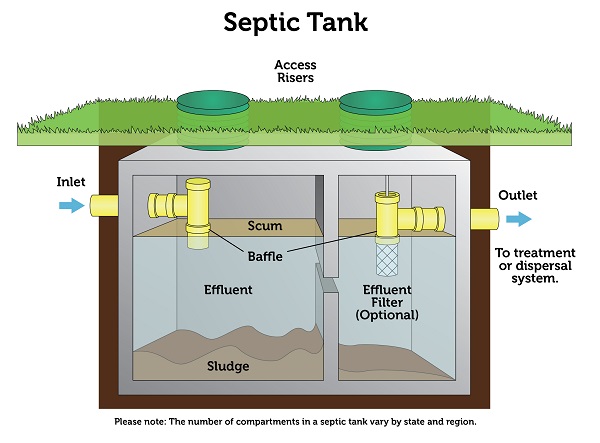 Septic System
- Greywater Systems: Greywater systems recycle water from baths, sinks, and washing machines for use in irrigation.
 Greywater System
- Municipal Sewage Systems: Homes connected to municipal systems rely on public wastewater treatment facilities to treat and recycle water.
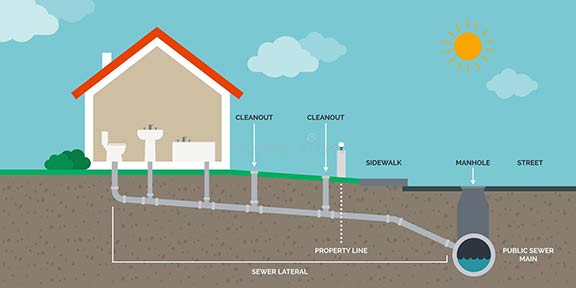 Municipal Sewage Systems
Home Renovation Waste Disposal
Home renovation waste disposal can be managed effectively through:
- Hiring a Skip Bin: For large projects, hire a skip bin to collect construction debris.
- Donating Usable Materials: Items like old furniture, fixtures, and appliances can be donated to charities or recycled.
- Proper Disposal: Ensure that hazardous materials like asbestos or lead-based paint are handled and disposed of according to regulations.
Need for Waste Segregation
Waste segregation is essential for several reasons:
- Efficient Recycling: Separating dry and wet waste enables proper recycling of materials like plastic, paper, and metal, reducing resource depletion.
- Reduced Landfill Waste: Unsegregated waste leads to overfilled landfills, causing soil contamination and methane emissions.
- Lower Environmental Pollution: Proper disposal of hazardous waste prevents toxins from seeping into water bodies and soil.
- Health Benefits: Segregating biomedical and toxic waste prevents the spread of diseases caused by improper disposal.
- Cost-Effective Waste Management: A well-segregated waste stream lowers processing costs and enhances recycling profitability.
Main Impacts of Waste
Improper waste disposal leads to:
- Soil & Water Contamination: Toxic chemicals from waste leach into the ground and water bodies.
- Air Pollution: Burning waste releases harmful gases like dioxins and carbon monoxide.
- Health Hazards: Exposure to untreated waste can lead to respiratory diseases and infections.
- Loss of Biodiversity: Marine and terrestrial life suffer from plastic waste ingestion and entanglement.
- Climate Change Acceleration: Methane emissions from landfills contribute to global warming.

explore further
Latest from Contemporary ideas
More from Innovations
Resources


