





Table of Contents
- Introduction
- Understanding Biophilia
- The Role of Urban Housing in Addressing These Challenges
- Key Principles of Biophilic Design
- Benefits of Biophilic Architecture
- Maintenance of Biophilic Elements
- Innovations in Biophilic Design and Technology
- Conclusion
- Faq's
Introduction
In the bustling heart of urban environments, where concrete and steel dominate the landscape, a growing movement is emerging that seeks to reconcile the disconnection many feel from nature. Biophilic architecture, a design approach that incorporates natural elements into the built environment, is gaining momentum as a solution to the challenges of modern living. This essay delves into the principles of biophilic design, its benefits, and its innovative applications in urban housing, as communities increasingly recognize the necessity of imbibing nature into daily life for enhanced well-being, sustainability, and harmony.
Understanding Biophilia
Biophilia refers to the innate human tendency to connect with nature and other forms of life. The term, popularized by biologist Edward O. Wilson in the 1980s, suggests that humans possess an evolutionary bond with the natural world, which promotes emotional and psychological well-being. In the context of architecture, biophilic design aims to leverage this connection by introducing natural elements such as vegetation, natural light, water features, and organic materials into urban housing projects. By doing so, it creates environments that mimic the calming and restorative attributes of nature.
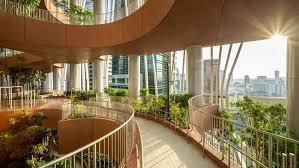 Bringing Nature Indoors,Pinterest
The Role of Urban Housing in Addressing These Challenges
Urban housing faces several pressing challenges, including:
- Overcrowding: With increasing urbanization, many cities are experiencing high population densities, leading to limited access to green spaces.
- Air Quality: Urban areas often deal with pollution that adversely affects residents' health and well-being.
- Social Isolation: The fast-paced urban lifestyle can lead to disconnection among residents, resulting in loneliness and mental health issues.
- Climate Resilience: Urban environments are increasingly vulnerable to climate-related challenges, such as heat islands and flooding.
Biophilic architecture can address these challenges by creating urban housing solutions that promote environmental sustainability, improve air quality, foster community engagement, and provide residents with restorative experiences rooted in nature.
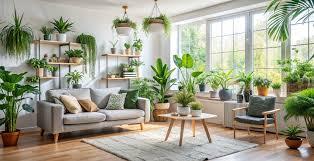 Role of Urban Housing,Pinterest
Key Principles of Biophilic Design
Biophilic design encompasses several principles that guide architects and designer's efforts to weave nature into residential spaces. These include:
- Natural Light: Maximizing natural light enhances mood and reduces reliance on artificial lighting.
- Green Spaces: Incorporating gardens, parks, and green roofs can improve overall urban aesthetics and offer residents a respite from city life.
- Water Elements: Incorporating water features like ponds or fountains can promote tranquility and reduce stress.
- Natural Materials: Using materials such as wood, stone, and clay can create a soothing, authentic environment.
- Views of Nature: Designing spaces that offer views of green landscapes can improve mood and cognitive function.
- Variety and Complexity: Creating spaces with diverse sensory experiences such as varying textures, colors, and sounds can enhance emotional connections to the environment.
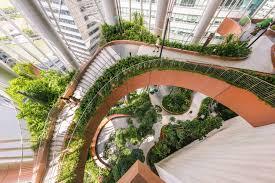 Principles of Biophilic Design,Pinterest
Benefits of Biophilic Architecture
The integration of biophilic design in urban housing offers numerous benefits:
- Improved Mental Health: Access to natural elements has been shown to reduce stress, anxiety, and depression, leading to enhanced overall mental health.
- Enhanced Physical Health: Improved air quality and the incorporation of green spaces promote physical well-being, reducing the risk of respiratory issues.
- Increased Productivity: Residents in biophilic environments often report higher productivity levels due to a more positive atmosphere.
- Community Cohesion: Shared green spaces foster interaction among residents, building a sense of community and belonging.
- Sustainable Living: Biophilic design promotes sustainability by encouraging eco-friendly practices, such as green roofs, rainwater harvesting, and energy-efficient systems.
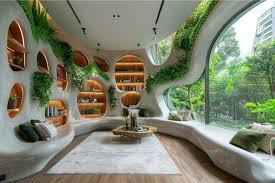 Benefits of Biophilic Architecture,Pinterest
Maintenance of Biophilic Elements
To sustain the benefits of biophilic architecture, proper maintenance of biophilic elements is essential. This may include:
- Regular Care for Green Spaces: Ensuring gardens and plants are regularly watered, trimmed, and managed to maintain health and aesthetics.
- Water Feature Management: Keeping water elements clean and functional to prevent stagnation and attract wildlife.
- Material Maintenance: Regular inspections and upkeep of natural materials to prevent decay and disrepair.
- Community Engagement: Involving residents in the care and aesthetic choices of shared biophilic features encourages ownership and responsibility.
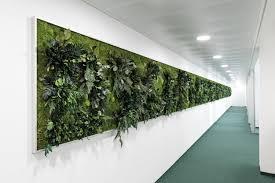 Maintenance of Biophilic Elements,Pinterest
Innovations in Biophilic Design and Technology
The evolution of biophilic design is also driven by technological advancements that enhance its implementation. Innovations include:
- Smart Irrigation Systems: Technologies that minimize water usage in gardens and green roofs while ensuring optimal health of plants.
- Living Walls and Vertical Gardens: Innovative vertical planting systems that allow for greenery in limited space areas, promoting biodiversity.
- Biophilic Lighting: Artificial lighting solutions that mimic the spectrum of natural sunlight, improving occupant mood and productivity.
- Air Quality Monitoring Systems: Smart home devices that monitor indoor air quality, allowing for real-time adjustments that enhance health.
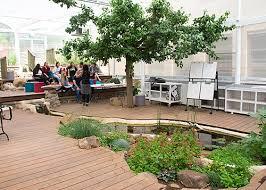 Innovations in Biophilic Design and Technology,Pinterest
Conclusion
The rise of biophilic architecture in urban housing represents a pivotal shift towards more sustainable, health-focused design practices. By reconnecting residents with nature, biophilic spaces not only improve individual well-being but also contribute to more resilient and cohesive communities. As cities continue to grow, embracing biophilia can lead to more vibrant and sustainable urban landscapes that honor our inherent connection to the natural world.

explore further
Latest from Contemporary ideas
More from Innovations
Resources


