





Table of Contents
- Introduction
- Traditional Cement Production
- Eco-Friendly Alternatives
- Current Barriers to Widespread Adoption
- Conclusion
- Faq's
Introduction
Cement production is a significant contributor to global carbon dioxide emissions, prompting the search for sustainable alternatives. Eco-friendly materials not only mitigate environmental impacts but also offer durable and efficient solutions for construction. This article examines traditional cement production methods, explores various eco-friendly alternatives, discusses current barriers to their widespread adoption, and concludes with insights on the future of sustainable building practices.
Traditional Cement Production
Traditional cement is primarily produced through the calcination of limestone, which requires high energy consumption and emits a large volume of carbon dioxide. The standard Portland cement process involves heating at temperatures around 1,450°C, leading to significant greenhouse gas emissions. The reliance on non-renewable resources and the environmental toll of quarrying further exacerbate the sustainability issues associated with traditional cement production.
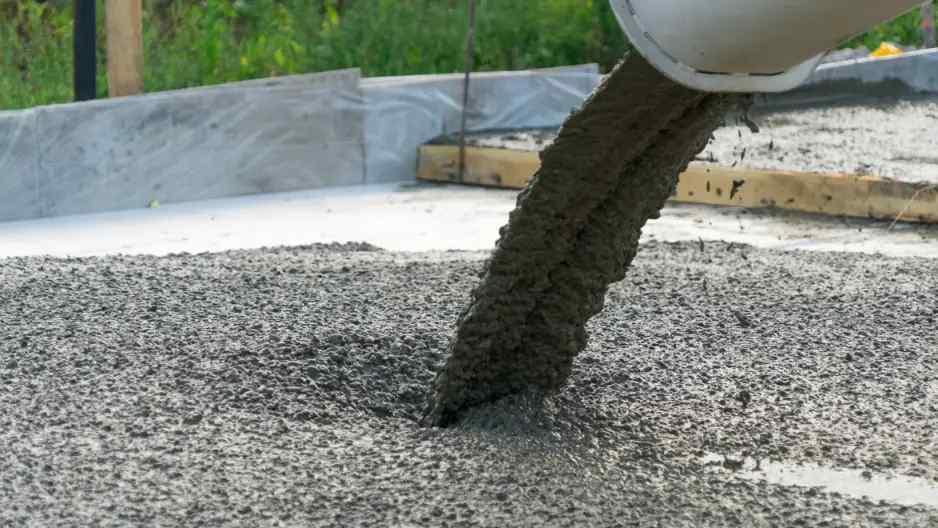 Traditional Cement,ShedBlog
Eco-Friendly Alternatives
Several promising eco-friendly alternatives to traditional cement have emerged, including:
- Geopolymer Cement: Made from industrial byproducts like fly ash or slag, geopolymer cement has a reduced carbon footprint and can utilize waste materials.
- Lime-based Binders: Lime is a natural material that can be produced with significantly lower CO2 emissions than Portland cement. It also has a long history of use in construction.
- Ash-based Cements: Utilizing ash from biomass or other waste sources helps in reducing the reliance on virgin materials and decreases emissions.
- Hempcrete: Made from hemp fibers, this bio-composite offers excellent insulation properties and carbon sequestration potential.
- Recycled Concrete: This involves crushing existing concrete to create aggregate for new.
 Eco-Friendly Alternatives,ProBuilder
Current Barriers to Widespread Adoption
- Cost: Many alternatives are currently more expensive than Portland cement. This is a major deterrent for large-scale adoption.
- Performance Concerns: Some alternatives have not been as thoroughly tested as Portland cement, leading to concerns about long-term durability, strength, and resistance to various environmental conditions. Standardization is lacking.
- Lack of Standardization: The absence of widely accepted standards and codes for alternative cements makes it difficult for engineers and contractors to specify and use them with confidence.
- Availability and Supply Chain: The supply chains for some alternative materials are not yet as well-established as those for Portland cement, leading to concerns about availability and reliability of supply.
- Perception and Inertia: The construction industry is often slow to adopt new technologies and materials. There is a strong preference for Portland cement due to its long history of use and familiarity.
- Regulatory Hurdles: Building codes and regulations may not adequately address or recognize alternative cement materials, hindering their use.
- Limited Awareness and Education: Many engineers, architects, and contractors are not fully aware of the properties and benefits of alternative cements.
Conclusion
Eco-friendly alternatives to traditional cement offer a promising path towards a more sustainable construction industry. While challenges remain regarding cost, performance, standardization, and supply chain development, ongoing research, technological advancements, and supportive policies are crucial for overcoming these barriers. By embracing innovation and prioritizing environmental responsibility, we can pave the way for widespread adoption of these greener materials and significantly reduce the carbon footprint of the built environment. A transition to these alternative materials is vital for achieving global sustainability goals and mitigating the impact of climate change.

explore further
Latest from Contemporary ideas
More from Innovations
Resources


