





Table of Contents
- Introduction
- Understanding Water Pressure
- Identify the Problem
- Inspect the Faucet
- Check the Water Supply Line
- Investigate the Main Water Valve
- Examine the Pressure Regulator
- Evaluate Pipe Condition
- Increase Water Pressure with a Pump
- Conclusion
- Faq's
Introduction
Low water pressure in your faucets can be incredibly frustrating. A weak trickle makes washing dishes, showering, and even simple tasks like handwashing take longer and feel less efficient. Before calling a plumber, there are several steps you can take to diagnose and potentially fix the problem yourself. This guide will walk you through common causes of low water pressure in faucets and provide actionable solutions to restore a healthy flow.
Understanding Water Pressure
Understanding your home's water pressure is more than just a matter of curiosity; it's a crucial aspect of home maintenance and can significantly impact your plumbing system's health and the functionality of your water-using appliances. Water pressure, measured in pounds per square inch (PSI), represents the force that propels water through your pipes, faucets, showerheads, and other fixtures. While the ideal range for household water pressure typically falls between 40 and 60 PSI, variations outside this range can signal potential problems or inefficiencies.Low water pressure, for instance, can result in weak showers, slow-filling bathtubs, and difficulty running multiple appliances simultaneously. Conversely, excessively high water pressure can place undue stress on your pipes, leading to leaks, bursts, and premature failure of water-using appliances such as washing machines, dishwashers, and water heaters. Knowing your home's water pressure allows you to proactively identify these issues before they escalate into costly repairs.
Furthermore, monitoring your water pressure empowers you to make informed decisions about improvements and upgrades. For example, if you experience consistently low pressure, you might consider installing a booster pump to increase the force. Conversely, if your pressure is consistently high, installing a pressure regulator can help maintain a safe and optimal level, protecting your plumbing and appliances from damage. Ultimately, understanding your home's water pressure is a proactive step towards ensuring a reliable and efficient water system, saving you money and headaches in the long run.
Identify the Problem
To determine the source of low water pressure, start by identifying whether the issue is localized to a single faucet or if it affects multiple fixtures throughout your home. If you find that the low water pressure is limited to just one faucet, it suggests that the problem is likely within that specific fixture. This could be due to a clogged aerator, which is the screen at the tip of the faucet that can accumulate mineral deposits and debris over time.
Other potential issues might include a malfunctioning cartridge or valve within the faucet itself. It's wise to remove the aerator and inspect it for any blockages, as cleaning or replacing it can often restore normal flow.
Conversely, if multiple fixtures are experiencing low water pressure simultaneously, the problem is more likely to originate in the plumbing system itself rather than in individual fixtures. This could point to issues such as pipe corrosion, leaks, or sediment buildup in the main water line. In this case, it might be necessary to consult a plumbing professional to diagnose and resolve the underlying issue comprehensively.
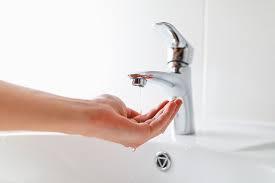 Faucets Water Pressure,Pinterest
Inspect the Faucet
Inspecting the aerator and faucet heads for accumulated dirt, debris, and mineral buildup is essential, as these issues can significantly impede water flow. Over time, minerals from hard water, such as calcium and magnesium, can deposit on these components, leading to reduced pressure and uneven water distribution.
To clean the aerator, first, unscrew it from the faucet. Rinse it under running water to remove loose particles, and use a soft brush or an old toothbrush to scrub away stubborn deposits. If the buildup is severe, soaking the aerator in a vinegar solution for a few hours can help dissolve the minerals.
After cleaning, reassemble the aerator and check for improvements in water pressure. If cleaning does not restore normal flow, consider replacing the aerator or faucet head entirely. This process is relatively straightforward and can significantly enhance water efficiency and performance in your faucets. Regular maintenance can help prevent these issues from recurring, ensuring consistent water pressure and optimal functionality.
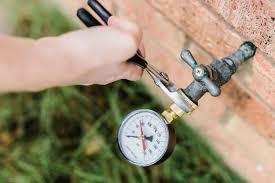 Inspect the Faucets Water Pressure,Pinterest
Check the Water Supply Line
Begin by carefully visually inspecting the flexible supply lines connecting your faucet to the water shut-off valves under the sink. Pay close attention to the entire length of each line, methodically scanning for any signs of sharp kinks, tight bends, or visible bulges that might suggest an internal blockage or restriction of water flow. If you find any suspect areas, gently try to straighten the line or rep osition it to remove the restriction.
Next, meticulously examine each connection point where the supply line attaches to the faucet tailpiece and where it connects to the shut-off valve. Ensure that all connections are tightened securely, but avoid over-tightening, which could damage the fittings. Carefully feel around each connection for any dampness or drips, indicating a potential leak. If you detect any leaks, try tightening the connection slightly. If the leak persists, you may need to replace the connector or apply plumber's tape (Teflon tape) to the threads for a better seal.
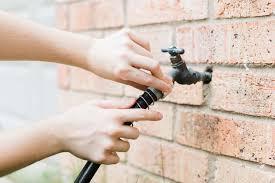 Check the Water Supply Line,The Spruce
Investigate the Main Water Valve
The main water valve is a critical component of your home's plumbing system, as it regulates the flow of water into your home. It's essential to ensure that this valve is fully open to maintain optimal water pressure throughout your plumbing. A partially closed valve can create restrictions in water flow, leading to noticeably reduced water pressure in faucets, showers, and appliances. This can result in unsatisfactory performance, such as slow filling tubs, ineffective dishwashers, and disappointing shower experiences. Therefore, regularly checking the condition and position of your main water valve is important for the overall functionality and efficiency of your plumbing system. If you notice any issues, it might be necessary to adjust the valve or consult a professional for assistance.
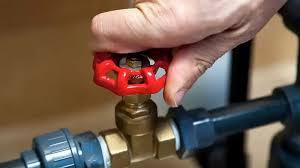 Investigate the Main Water Valve,Pinterest
Examine the Pressure Regulator
A pressure regulator in your home plays a critical role in maintaining consistent water pressure throughout your plumbing system. It ensures that the water pressure remains within an optimal range, preventing fluctuations that can lead to pipe damage, leaks, or inefficient water usage. If you notice issues such as irregular water flow, loud noises in the pipes, or frequent pipe bursts, these could be signs that the pressure regulator is malfunctioning.
In such cases, it may require adjustment to ensure it operates effectively, or in some situations, total replacement may be necessary if the unit is old or severely damaged. Regular maintenance of the pressure regulator can help prolong its lifespan and ensure that your home enjoys a steady, reliable water supply, which is essential for daily activities such as bathing, washing dishes, and watering gardens. If unsure about how to assess or address issues with your regulator, it is advisable to consult a professional plumber for a thorough evaluation and appropriate solutions.
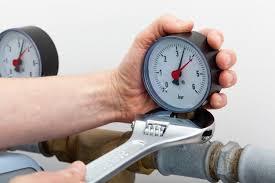 Examine the Pressure Regulator Water Valve,Pinterest
Evaluate Pipe Condition
The age and condition of your plumbing pipes significantly impact water pressure and overall water flow efficiency within your home. Over time, pipes, especially those made of older materials like galvanized steel, can succumb to corrosion, both internally and externally. This corrosion manifests as rust, a reddish-brown oxide that can flake off and accumulate within the pipe, effectively narrowing the internal diameter and restricting the volume of water that can pass through. Similarly, the constant exposure to water pressure and temperature fluctuations can lead to leaks, ranging from small, almost imperceptible drips to more substantial bursts. Even minor leaks represent a loss of water pressure and contribute to inefficiency. Visible signs of damage, such as dents, cracks, or bulging, are also indicators of structural weakness that can impede water flow and potentially lead to catastrophic failure. Therefore, a thorough inspection of your pipes is crucial. Carefully examine accessible sections for any signs of rust, leaks (indicated by dampness or water stains), or any physical damage. If such issues are identified, it's imperative to promptly address them, which may involve localized repairs to seal leaks or, in cases of extensive corrosion or significant damage, complete replacement of affected pipe sections to restore optimal water flow and prevent more serious problems down the line.
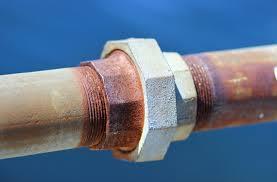 Evaluate water Pipe Condition,Pinterest
Increase Water Pressure with a Pump
Installing a water pressure booster pump can be an effective solution if you experience persistent issues with low water pressure. These pumps are designed to increase both the flow rate and the pressure of water throughout your home. This enhancement ensures a consistent and reliable supply of water, improving the performance of faucets, showers, and appliances that rely on adequate water pressure.
A booster pump can be particularly beneficial for households with multiple stories or those located at the end of a long water supply line, where pressure tends to drop markedly. By effectively amplifying the existing water pressure, these pumps can help eliminate frustrating problems such as slow filling toilets, diminished shower performance, and inadequate water flow for washing machines and dishwashers.
When selecting a water pressure booster pump, it's important to consider factors such as your home's water demand, the existing water pressure, and the specific requirements of the appliances you use. Installation typically involves connecting the pump to your water system, often near the main water supply line, and may require professional assistance to ensure proper setup and functionality.
In summary, a water pressure booster pump can significantly enhance your plumbing experience, ensuring that you enjoy optimal water pressure throughout your home, thereby increasing comfort and convenience in daily activities.
Conclusion
Improving water pressure in your faucets is achievable by systematically identifying and addressing underlying issues. Regular maintenance and timely interventions can enhance your plumbing efficiency, ensuring a consistent and reliable water supply for your everyday needs.

explore further
Latest from Contemporary ideas
More from Innovations
Resources


