




Table of Contents
- Introduction
- Choosing the Right Materials
- Preparing the Area
- Surface Preparation
- Planning Your Project
- Painting Techniques
- Drying and Cleanup
- Final Touches
- Conclusion
- Faq's
Introduction
Embarking on a DIY painting project can transform the look and feel of your space, but achieving professional results requires careful planning and execution. Whether you're refreshing a room or tackling an entire home, understanding the key steps involved ensures a smoother process and stunning outcome. This guide outlines essential tips, covering everything from selecting materials to the final touches that bring your vision to life.
Choosing the Right Materials
Selecting high-quality paint, brushes, rollers, and other materials is crucial for the durability and appearance of your project. Consider factors such as paint type (latex versus oil-based), finish options (matte, satin, gloss), and the specific requirements of your surface. Investing in good tools will significantly enhance your painting experience and outcomes.
Preparing the Area
Before you begin, it's important to prepare the area where you'll be painting. Remove furniture or cover it with drop cloths, and protect the floor with plastic sheeting. Ensure adequate ventilation by opening windows and using fans. Tape off edges, trim, and any areas you want to keep paint free to achieve clean lines.
 Preparing Area, Design Cafe
Surface Preparation
Proper surface preparation is key to achieving a smooth finish. Clean surfaces to remove dust and grease, patch any holes with spackle, and sand rough areas. If you're painting over a previously painted surface, ensure it's in good condition. For new drywall, apply a primer to enhance paint adhesion and finish quality.
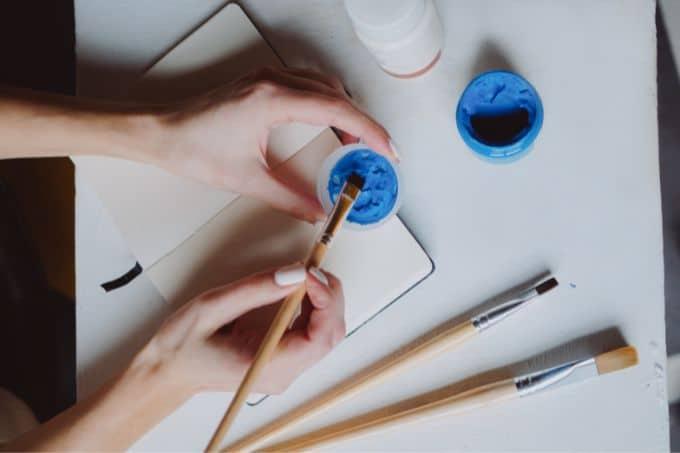 Surface Preparation,Ledgebay
Planning Your Project
Develop a clear plan before starting. Choose a color scheme that suits your space and gather all materials needed. Consider the best time of day for lighting and temperature, as ideal conditions can affect drying times. Create a timeline for completing each phase of the project.
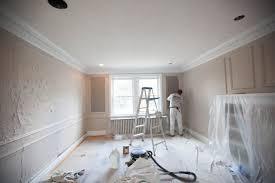 Planning Your Project,Kennedy
Painting Techniques
Employing the right painting techniques can make a significant difference. Start with cutting in at the edges with a brush, then use a roller for larger areas. Apply paint in thin, even layers and avoid overloading your brush or roller. Depending on the surface, consider using different techniques like stippling or sponging for added texture.
Drying and Cleanup
Allow each coat of paint to dry thoroughly before applying additional layers. Follow the manufacturer's recommendations for drying times. After your project, clean your brushes, rollers, and surfaces immediately to avoid paint hardening. Dispose of or store leftover paint properly, and recycle materials whenever possible.
Final Touches
Once the paintwork is complete, step back and assess the overall finish. Touch up any missed areas and remove painter's tape while the paint is slightly wet to ensure clean lines. Consider adding decorative elements, such as new hardware or artwork, to complement your freshly painted surfaces.
Conclusion
A successful DIY painting project is achievable with proper planning and execution. By choosing the right materials, preparing the workspace, and applying effective painting techniques, you can transform your environment into a beautiful haven. Remember that patience and attention to detail will yield the best results, making your efforts worthwhile.

explore further
Latest from Contemporary ideas
More from Innovations
Resources


