




Table of Contents
- Introduction
- How Inflation Affects Real Estate Investments
- Strategies for Real Estate Investors During Inflation
- Potential Risks of Inflation for Real Estate Investors
- Risk Mitigation Strategies
- Conclusion
- Faq's
Introduction
Inflation, the general rise in prices over time, has a profound impact on various economic sectors, including real estate. As the cost of goods and services increases, the purchasing power of money diminishes, affecting key aspects of real estate investments such as property prices, rental income, and borrowing costs. This shift can create both challenges and opportunities for investors, making it essential to understand how inflation shapes market dynamics.
For real estate investors, adapting to inflation requires strategic planning and informed decision-making. Factors like rising interest rates, increased construction costs, and shifting rental demand must be carefully analyzed to maintain profitability. This article explores the effects of inflation on real estate, identifies potential risks and benefits, and provides actionable strategies to navigate inflationary periods successfully.
How Inflation Affects Real Estate Investments
1. Rising Property Prices
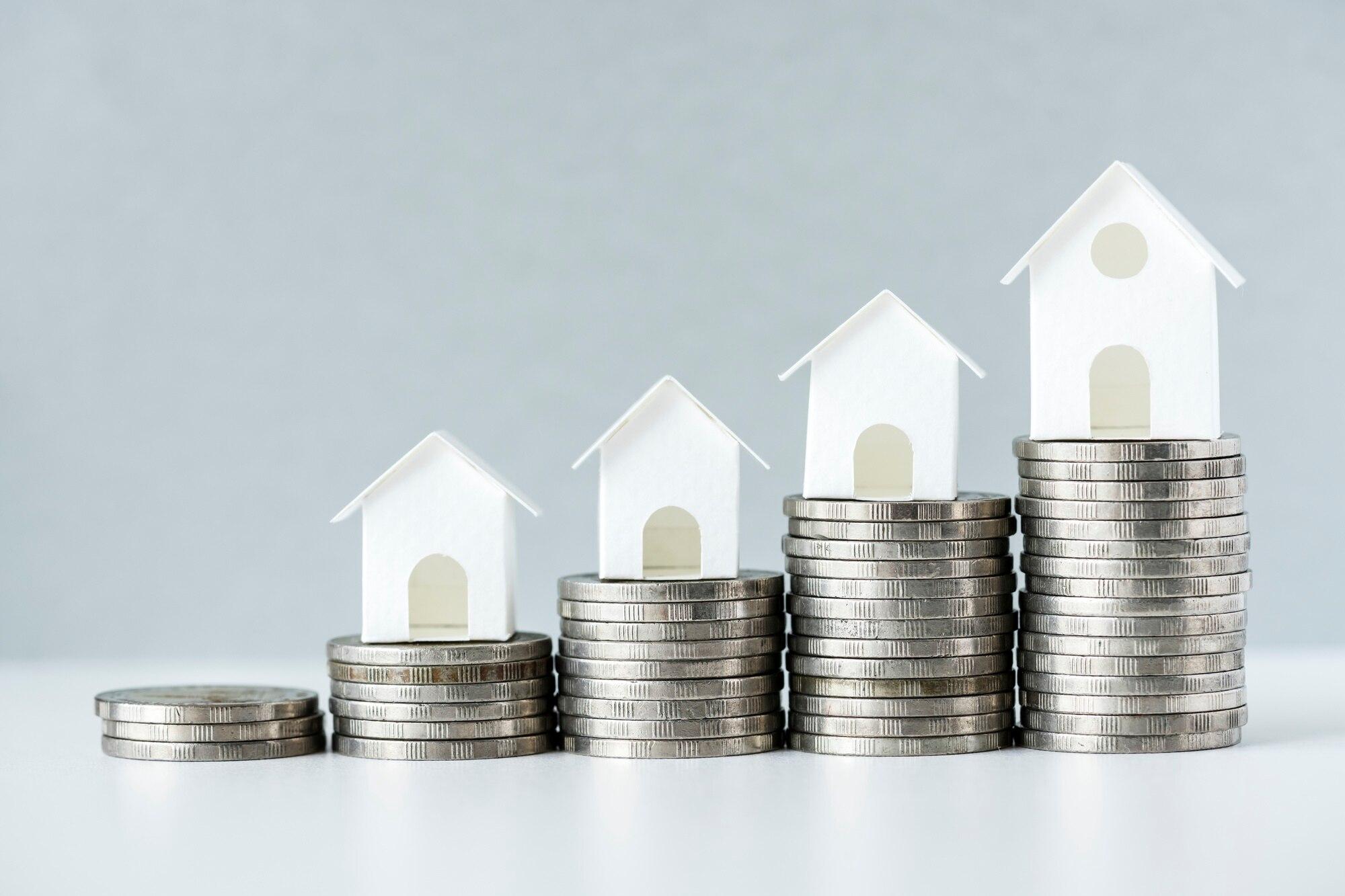
Real estate is a tangible asset that historically appreciates over time. During inflationary periods, construction costs, land values, and labor expenses increase, leading to higher property prices. Investors who own properties before inflation rises can benefit from increased asset values, resulting in capital appreciation.
2. Impact on Rental Income
Inflation tends to drive up rental prices as landlords adjust rates to keep up with the increasing cost of living. This means rental properties can provide a steady income stream that rises with inflation, making them attractive investments. However, the extent of rental price increases depends on market demand and lease agreements.
 How inflation affects real estate investments
3. Higher Mortgage and Borrowing Costs
Central banks often raise interest rates to control inflation, leading to higher mortgage rates. This makes borrowing more expensive for real estate investors and homebuyers, reducing affordability and demand for new properties. Investors should consider fixed-rate mortgages to avoid rising interest expenses.
4. Increased Construction and Development Costs
Inflation affects the price of raw materials, labor, and supply chain logistics, making construction more expensive. This can lead to project delays, reduced housing supply, and increased property prices, ultimately impacting developers and buyers.
5. Real Estate as an Inflation Hedge
Real estate is widely regarded as a hedge against inflation due to its ability to maintain and increase in value over time. Unlike financial assets that may depreciate, real estate investments typically appreciate, providing long-term financial security.
Also Read: House Flipping Made Easy: Tips, Strategies, and Mistakes to Avoid
Strategies for Real Estate Investors During Inflation
 Strategies for Real Estate Investors
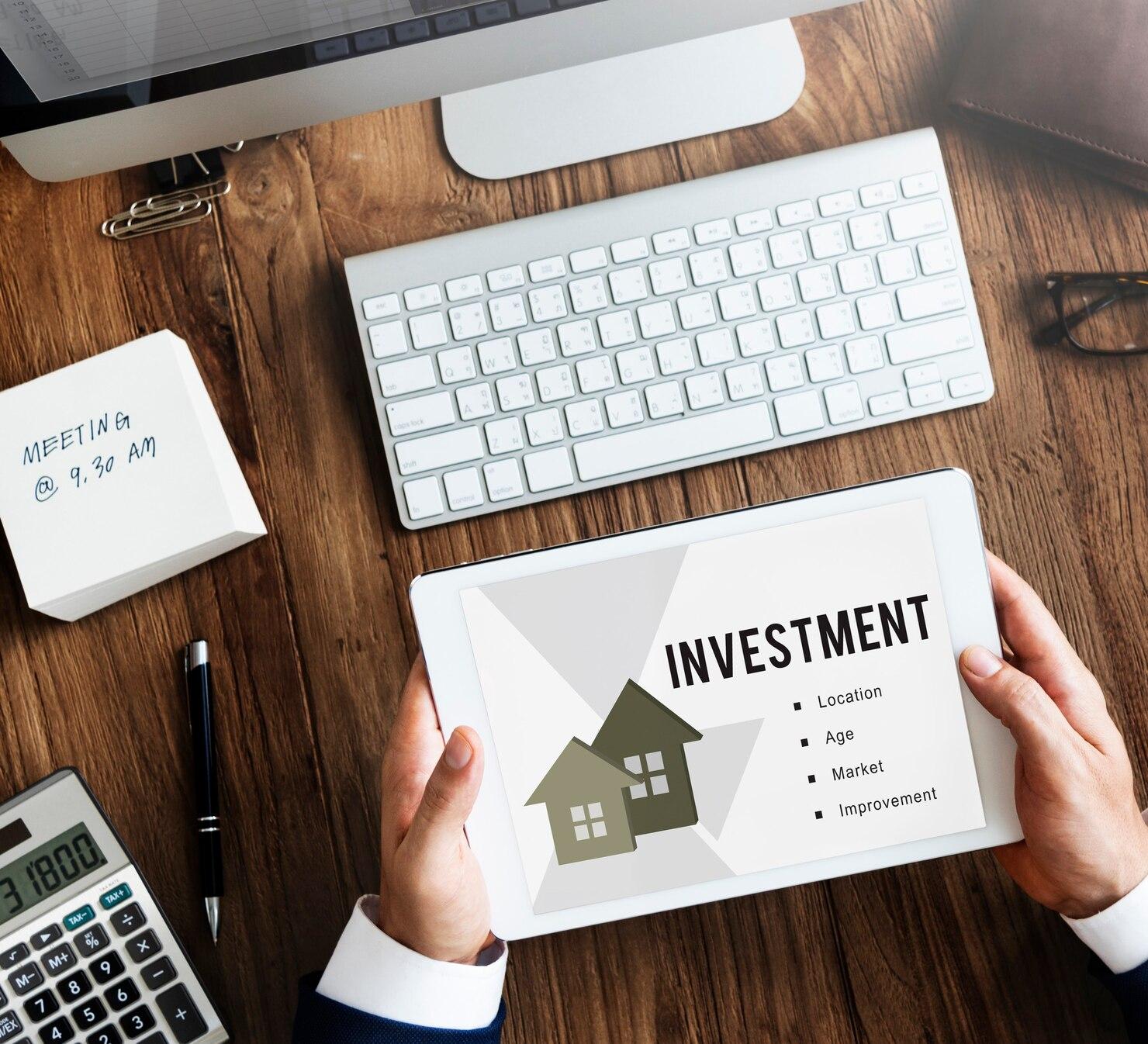
Inflation can significantly impact real estate investments, affecting property values, rental income, and financing costs. To navigate these challenges, investors should implement well-thought-out strategies that minimize risks and maximize returns. Below is a guide to the most effective strategies for real estate investors during inflation.
1. Diversification: Reducing Risk Through a Balanced Portfolio
Diversification is a key strategy to protect real estate investments from inflationary pressures. By spreading investments across various asset classes, property types, and locations, investors can reduce exposure to market fluctuations and economic downturns.
Effective Diversification Strategies:
- Invest in Different Property Types: A mix of residential, commercial, industrial, and mixed-use properties provides stability.
- Expand into Multiple Cities or Regions: Investing in different geographic areas helps mitigate risks tied to local market fluctuations.
- Consider Real Estate Investment Trusts (REITs): REITs offer exposure to a diversified portfolio of real estate assets, reducing the risk of a single property underperforming.
- Balance Long-Term and Short-Term Rental Investments: Long-term rentals provide consistent cash flow, while short-term rentals offer higher returns in tourist or high-demand areas.
By diversifying, investors can ensure a steady stream of income while safeguarding their portfolio against the adverse effects of inflation.
2. Focus on Income-Producing Properties
Inflation increases living costs, making rental properties particularly attractive as tenants will continue to seek housing, regardless of economic conditions. Properties that generate rental income can serve as a natural hedge against inflation.
Key Considerations:
- Invest in High-Demand Rental Markets: Locations with strong employment growth, universities, and good infrastructure will always have high rental demand.
- Opt for Commercial Real Estate with Long-Term Leases: Commercial tenants, such as office spaces and retail stores, often sign multi-year leases that include inflation-adjusted rent increases.
- Explore Multifamily Housing: Demand for affordable rental housing often rises during inflationary periods, making multifamily properties a lucrative option.
- Consider Short-Term Rentals for Flexible Pricing: Platforms like Airbnb allow landlords to adjust rental rates frequently, helping to counteract inflation.
Income-generating properties provide financial stability by ensuring rental income keeps pace with inflation, thereby maintaining profitability.
3. Lock in Fixed-Rate Mortgages
Inflation typically leads to higher interest rates, increasing the cost of borrowing. One of the best ways for real estate investors to mitigate this impact is by securing fixed-rate mortgages before interest rates rise.
Benefits of Fixed-Rate Mortgages:
- Predictable Monthly Payments: Fixed-rate loans provide stability, making it easier to plan finances.
- Protection Against Interest Rate Hikes: Unlike adjustable-rate mortgages (ARMs), fixed-rate mortgages shield investors from rising interest costs.
- Long-Term Savings: Over time, inflation reduces the real value of fixed mortgage debt, effectively making it cheaper.
Investors who lock in low interest rates before inflation spikes can maintain affordability and long-term profitability.
4. Invest in Properties with Inflation-Adjusted Leases
To safeguard against the eroding value of rental income, investors should consider properties with inflation-adjusted lease agreements that allow for rent increases over time.
Common Inflation-Adjusted Lease Structures:
- Triple Net (NNN) Leases: Tenants are responsible for property taxes, insurance, and maintenance costs, ensuring landlords retain stable returns even during inflation.
- Indexed Leases: Rental payments are tied to inflation indices such as the Consumer Price Index (CPI), ensuring rent keeps pace with inflation.
- Step-Up Leases: Contracts specify pre-determined rent increases at regular intervals, protecting landlords from inflation's impact.
By structuring leases to adjust for inflation, investors can ensure that rental income remains consistent and profitable in the long run.
5. Choose High-Growth Locations
Location plays a crucial role in real estate investment, particularly during inflationary periods. Investing in regions with strong economic growth, job markets, and infrastructure development can help sustain property values and rental income.
Key Factors to Consider:
- Population Growth: Cities with increasing populations tend to experience rising demand for housing, driving property values higher.
- Job Market Strength: Locations with growing industries and employment opportunities attract tenants and buyers.
- Infrastructure Development: Areas with new metro lines, highways, or commercial centers tend to see long-term property value appreciation.
- Urban Expansion and Migration Trends: Areas experiencing urbanization and migration often present strong investment potential.
By focusing on high-growth locations, investors can secure properties that will continue to appreciate and generate stable income despite inflationary pressures.
6. Enhance Property Value Through Improvements
Improving and upgrading existing properties can significantly increase their rental income potential and market value, allowing investors to maintain competitive pricing during inflation.
Effective Value-Add Strategies:
- Renovate Interiors for Higher Rental Rates: Modernizing kitchens, bathrooms, and flooring can attract high-paying tenants.
- Upgrade to Energy-Efficient Features: Installing solar panels, energy-efficient lighting, and smart thermostats can reduce operating costs and attract environmentally conscious renters.
- Improve Property Management and Amenities: Enhancing security, landscaping, and common areas can justify higher rental prices.
- Reposition Underperforming Properties: Converting outdated buildings into mixed-use spaces or co-living properties can increase occupancy rates and revenue.
By actively enhancing property value, investors can command higher rents and sustain profitability even as inflation increases operational expenses.
7. Stay Informed and Adapt Investment Strategies
A proactive approach to monitoring inflation trends and adjusting investment strategies can help investors stay ahead of market fluctuations.
How to Stay Informed:
- Follow Central Bank Policies: Keep track of interest rate changes and inflation reports from monetary authorities.
- Analyze Market Reports: Review real estate trends, vacancy rates, and rental price indices regularly.
- Adjust Rental Pricing Accordingly: Increase rents in alignment with market trends to maintain profitability.
- Reassess Financing Options: Periodically evaluate mortgage terms to determine if refinancing or restructuring loans could be beneficial.
By staying informed, investors can make data-driven decisions and adapt their strategies to safeguard their portfolios from inflation-related risks.
8. Consider Real Estate Investment Trusts (REITs)
For investors who prefer a hands-off approach, Real Estate Investment Trusts (REITs) provide an alternative way to invest in real estate while offering inflation-resistant returns.
Advantages of REITs During Inflation:
- Diversification: REITs invest in multiple properties across various sectors, reducing risk.
- Liquidity: Unlike physical real estate, REITs can be bought and sold easily on the stock market.
- Inflation-Protected Income: Many REITs invest in commercial properties with inflation-adjusted leases, ensuring steady cash flow.
- Passive Income: Investors can earn dividends without the hassle of property management.
REITs offer an excellent option for those looking to invest in real estate while maintaining flexibility and liquidity.
Also Read: RBI Repo Rate Cut: What It Means for Loans, Markets, and Growth
Potential Risks of Inflation for Real Estate Investors
Rising Interest Rates
One of the most significant risks of inflation for real estate investors is the rise in interest rates. As central banks increase rates to curb inflation, mortgage costs also rise, making borrowing more expensive. This can reduce affordability for buyers and limit financing options for investors, potentially slowing down property demand. Higher interest rates may also lead to longer holding periods for properties, requiring investors to carefully plan their cash flow and financing strategies.
High Construction Costs
Inflation drives up the cost of raw materials, labor, and transportation, making new developments and property renovations significantly more expensive. This can lead to project delays or force developers to increase selling prices, which may reduce affordability for potential buyers. For investors, rising construction costs mean higher capital expenditures and potential profitability concerns, especially in markets where property values do not rise proportionally with inflation.
Market Volatility
Economic uncertainty during inflationary periods can create fluctuations in real estate markets, affecting property values and investment returns. Demand for housing and commercial spaces may shift due to changing consumer spending patterns, employment trends, and business operations. Investors must be prepared for periods of instability where property appreciation slows or rental demand fluctuates, impacting short-term revenue streams.
Risk Mitigation Strategies
Opt for Long-Term Investments
Long-term real estate investments are generally better suited to withstand inflationary cycles. Holding onto properties for extended periods allows investors to ride out market fluctuations and benefit from the long-term appreciation of assets. Rental properties, in particular, provide a steady income stream that can be adjusted over time to align with inflationary trends, ensuring stable returns.
 Risk Mitigation Strategies
Structure Lease Agreements with Inflation-Adjusted Rent Increases
Including inflation-adjusted rent increases in lease agreements is a proactive way to protect against the devaluation of rental income. Commercial leases often include indexed leases, where rents are tied to inflation indicators like the Consumer Price Index (CPI). Step-up leases and Triple Net (NNN) leases also provide flexibility to ensure landlords maintain profitability, even during periods of rising costs.
Regularly Reassess Financing Options and Market Conditions
Real estate investors should continuously monitor interest rate trends and evaluate their financing options. Refinancing opportunities, negotiating better loan terms, or shifting to fixed-rate mortgages can help reduce exposure to rising borrowing costs. Additionally, staying updated on market trends and adjusting investment strategies accordingly ensures that investors can make data-driven decisions and minimize risk during inflationary periods.
Conclusion
Inflation has a profound impact on real estate investments, influencing property values, rental income, borrowing costs, and construction expenses. While inflation presents challenges, real estate remains a strong hedge due to its appreciation potential and income-generating capacity.
Investors who implement strategic approaches, such as diversification, investing in income-producing properties, securing fixed-rate mortgages, and focusing on high-growth areas can successfully navigate inflationary environments and maximize their real estate returns.

explore further
Latest from Home Buying Tips
More from Recommendations
Resources


