





Table of Contents
- Introduction
- Understanding the Kitchen Triangle: The Foundation of Efficient Design
- Optimal Distances Between Sink, Stove, and Refrigerator
- Key Considerations for Sink Placement
- Key Considerations for Stove Placement
- Design Trends and Styles
- Conclusion
- Faq's
Introduction
The kitchen is often considered the heart of the home. Within that heart, the sink and stove are two of the most essential organs, working in tandem to bring meals to life. However, a poorly planned kitchen layout, especially the placement of these two key fixtures, can lead to frustration, inefficiency, and even potential safety hazards. This guide provides a comprehensive overview of optimal sink and stove placement, focusing on functionality, ergonomics, safety, and design aesthetics. We'll explore the time-tested "kitchen triangle" concept, delve into specific placement considerations, and explore modern design trends to help you create a kitchen that is both beautiful and highly functional. Whether you're renovating an existing kitchen or designing a new one from scratch, understanding these principles is crucial for creating a comfortable and efficient cooking space.
Understanding the Kitchen Triangle: The Foundation of Efficient Design
The kitchen triangle is a classic design principle that connects the three main work areas: the sink, the stove (or cooktop), and the refrigerator. The idea is to create a smooth flow between these points, minimizing steps and maximizing efficiency. A well-designed triangle reduces strain and wasted movement, making cooking a more enjoyable experience.
Why it matters: The kitchen triangle recognizes that most kitchen tasks involve moving between these three zones. A poorly planned triangle can result in unnecessary steps, congestion, and an overall frustrating cooking experience.
Traditional vs. Modern Applications: While the classic triangle focused primarily on single-cook kitchens, modern designs often adapt the concept to accommodate multiple cooks and larger spaces, incorporating islands and peninsulas.
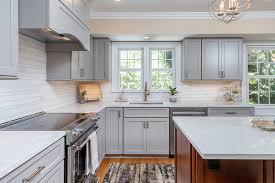 Kitchen Triangle,Houzz
Optimal Distances Between Sink, Stove, and Refrigerator
While there's no one-size-fits-all answer, certain guidelines help ensure optimal workflow.
- Total Triangle Perimeter: The total distance of all three sides of the triangle should ideally be between 13 feet and 26 feet. This allows for comfortable movement without being too spread out.
- Individual Leg Distances: Each leg (the distance between two appliances) should be no less than 4 feet and no more than 9 feet.
- Avoid Obstacles: Ensure that no major obstacles, such as islands or cabinets, intersect any leg of the triangle. Traffic flow should be unimpeded.
- Counter Space: Provide ample counter space (at least 36 inches) on at least one side of the sink and stove. A minimum of 15 inches is ideal on the other side of the stove.
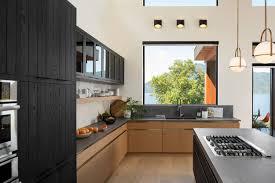 Kitchen design trends,Houzz
Key Considerations for Sink Placement
The sink is typically the busiest area in the kitchen. Its placement should prioritize convenience and functionality for food preparation and cleanup.
- Proximity to Dishwasher: Placing the sink adjacent to the dishwasher is highly efficient. Ideally, the dishwasher should be within arm's reach to minimize dripping and spills.
- Natural Light: If possible, position the sink near a window. Natural light makes tasks more pleasant.
- Counter Space: Ample counter space on both sides of the sink is crucial. This provides space for prepping food before washing and drying dishes after washing. Aim for at least 24-36 inches on one side and 18-24 inches on the other.
- Plumbing Access: Ensure easy access to plumbing for installation and future maintenance.
- Avoid Corners: Sinks located in corners can be awkward and difficult to use. If a corner is unavoidable, consider a specialized corner sink.
- Island Sink Considerations: If placing a sink in an island, ensure adequate space for walking around the island, and consider a prep sink in addition to the main sink. Ensure plumbing can be easily run to the island.
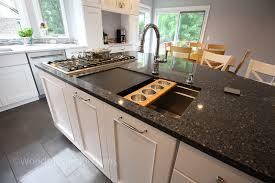 Sink Placement,Designcafe
Key Considerations for Stove Placement
Safety and ventilation are paramount when planning stove placement.
- Ventilation: Proper ventilation is essential to remove smoke, grease, and odors. A range hood that vents to the outside is highly recommended. Make sure that the vent hood is slightly wider than the stove.
- Counter Space: Provide ample counter space on both sides of the stove for staging ingredients and placing hot dishes. Aim for at least 12-18 inches on one side and 12-18 inches on the other. (Codes will vary in regards to minimum spaces).
- Heat-Resistant Surfaces: Use heat-resistant materials for countertops near the stove.
- Avoid Placing Stove Directly Under Windows: This can be a fire hazard, especially with curtains or blinds.
- Clearance: Maintain adequate clearance above the stove to prevent accidents.
- Placement Away from High-Traffic Areas: Avoid placing the stove where people frequently walk through the kitchen. This helps prevent accidental bumps and spills.
- Corner Placement: Avoid placing the stove in a corner.
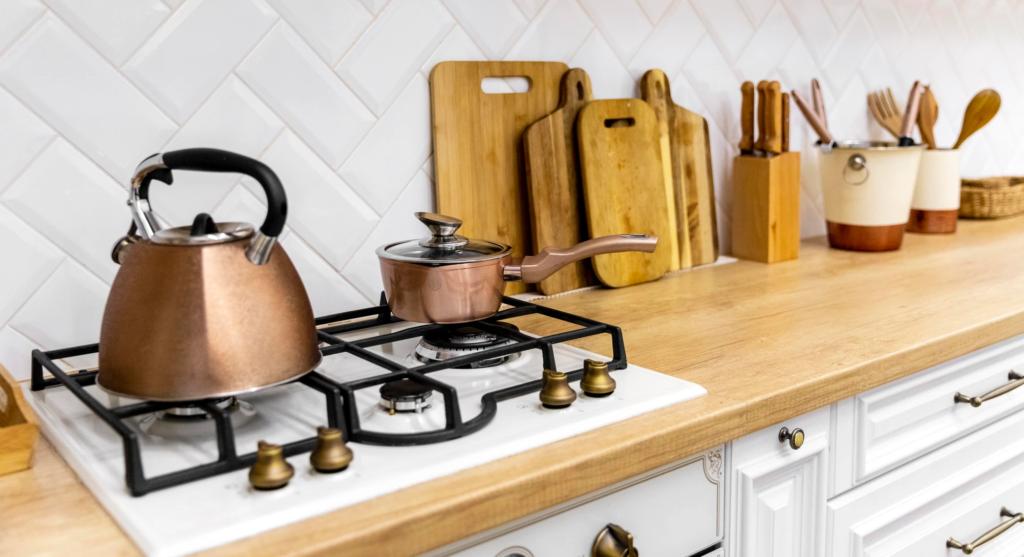 Stove Placement,Pinterest
Design Trends and Styles
- Open-Concept Kitchens: In open-concept designs, careful planning is even more critical to maintain a functional and aesthetically pleasing space. Islands with sinks or cooktops are common.
- Galley Kitchens: In galley kitchens, the sink and stove are typically placed on opposite walls, creating a streamlined workspace.
- Island Kitchens: Island kitchens often incorporate a sink or cooktop into the island. In these designs, ensure adequate space for walking and prep work.
- Color and Material Coordination: Coordinate the finishes of your sink and stove with your countertops and cabinetry for a cohesive look. Stainless steel is a popular choice for both sinks and stoves.
- Ergonomics: Consider the height of your countertops and appliances to ensure a comfortable working height.
- Induction Cooktops: Induction cooktops are growing in popularity because they are efficient, easy to clean, and safe.
- Farmhouse Sinks: These deep, apron-front sinks are a popular choice for their style and functionality.
Conclusion
Careful planning of your sink and stove placement is fundamental to creating a functional, safe, and enjoyable kitchen. By understanding the principles of the kitchen triangle, considering specific placement factors, and incorporating current design trends, you can create a kitchen that meets your unique needs and enhances your cooking experience. Remember to consider your personal cooking style, kitchen size, and budget when making decisions. Don't be afraid to consult with a kitchen designer or contractor to help you create the perfect layout for your home.

explore further
Latest from Contemporary ideas
More from Innovations
Resources


