




Table of Contents
- Introduction
- Wellness Trend in Design
- Benefits of Incorporating Wellness Elements
- Key Wellness Features in Modern Bathrooms
- Designing for Mindfulness
- Sustainability in Wellness Design
- Conclusion
- Faq's
Introduction
As the focus on personal well-being continues to grow, bathroom designs are evolving to prioritize wellness. Modern bathrooms are no longer just functional spaces; they are becoming sanctuaries that promote health, relaxation, and sustainability. This article delves into the wellness trend in bathroom design, exploring the benefits of incorporating wellness elements, key features to consider, and how to design for mindfulness.
Wellness Trend in Design
The wellness trend in design emphasizes creating spaces that enhance physical, mental, and emotional health. This shift is encouraging designers and homeowners to integrate elements that foster relaxation, improve hygiene, and promote a connection to nature. With an increasing understanding of the impact of our environments on well-being, the bathroom has emerged as a critical area for innovation in wellness.
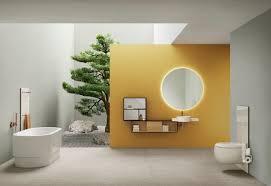 Bathroom Features,Pinterest
Benefits of Incorporating Wellness Elements
Incorporating wellness features in bathroom design offers numerous benefits, including:
- Reduced Stress: Elements like calming colors and natural light create a serene atmosphere.
- Enhanced Hygiene: Advanced fixtures promote better sanitation.
- Improved Mood: Thoughtfully designed spaces can uplift spirits and enhance focus.
- Increased Property Value: Modern, wellness-oriented designs can boost a home's marketability.
- Personal Retreats: Bathrooms designed for relaxation contribute to overall mental health.
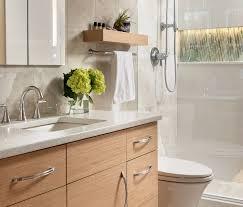 Benefits of Incorporating Wellness Elements,Pinterest
Key Wellness Features in Modern Bathrooms
- Soaking Tubs: Encourage relaxation and stress relief.
- Rain Showers: Mimic the sensation of natural rainfall; enhancing the bathing experience.
- Biophilic Design: Incorporating plants and natural materials fosters a connection with nature.
- Smart Technology: Automated controls for lighting, temperature, and even scents to customize the experience.
- Air Quality Features: Improved ventilation and air purification systems contribute to a healthier environment.
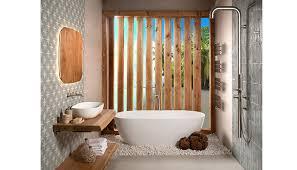 Features in Modern Bathrooms,Pinterest
Designing for Mindfulness
Mindful design involves creating spaces that promote awareness and presence. Incorporating elements such as soft lighting, simple aesthetics, and zones for relaxation can encourage users to engage in self-care rituals. Techniques like decluttering and using natural materials also enhance focus and calm.
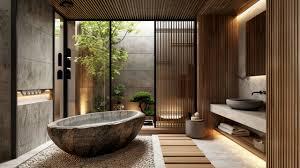 Designing for Mindfulness,Pinterest
Sustainability in Wellness Design
Sustainable design practices are essential in wellness-focused bathrooms. Using eco-friendly materials, such as bamboo or recycled tiles, and water-saving fixtures not only reduces environmental impact but also enhances the overall health of users and their surroundings. Emphasizing sustainability aligns with the growing desire for wellness and responsibility toward the planet.
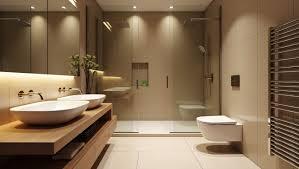 Sustainability in Wellness Design,Pinterest
Conclusion
The integration of wellness features in bathroom design presents a unique opportunity to transform these spaces into havens for relaxation and health. By focusing on mindfulness and sustainability, homeowners can create environments that not only serve everyday needs but also contribute positively to their well-being. The evolution of bathroom design reflects a broader cultural shift towards prioritizing personal wellness and intentional living.

explore further
Latest from Contemporary ideas
More from Innovations
Resources


