





Table of Contents
- Introduction
- Understanding Your Rental Agreement
- Reasons for Cancellation
- Steps to Cancel a Rental Agreement
- Finalizing the Cancellation
- Conclusion
- Faq's
Introduction
Renting a property offers flexibility and convenience, but circumstances can change, sometimes requiring you to end your rental agreement before the agreed-upon term. Cancelling a rental agreement, also known as breaking a lease, requires careful consideration and adherence to specific procedures to avoid potential legal and financial repercussions. This guide provides a comprehensive overview of how to navigate the cancellation process smoothly and legally.
Understanding Your Rental Agreement
Before taking any action, it's crucial to thoroughly understand the terms and conditions outlined in your rental agreement (lease). This document is a legally binding contract between you (the tenant) and your landlord, and it governs the entire rental period.
- Lease Term: Note the start and end dates of the lease. Breaking the lease before the end date typically incurs penalties.
- Cancellation Clause: Check if the lease includes a specific clause addressing early termination. This clause may outline the conditions, fees, and notice requirements for cancelling the lease.
- Notice Period: Determine the required notice period for vacating the property, even if you're not breaking the lease (if it is month-to-month for example). This is usually 30 or 60 days, but can vary.
- Subletting/Assignment: See if the agreement permits you to sublet the property or assign the lease to another tenant. This could be a way to mitigate costs associated with breaking the lease.
- Fees and Penalties: Identify any fees or penalties associated with early termination.
 Cancel Lease,Linkedin
Reasons for Cancellation
While you can request to cancel a lease for virtually any reason, certain situations offer stronger legal grounds or may allow for termination without significant penalties. Here are some common reasons:
- Landlord Breach of Contract: If the landlord fails to uphold their responsibilities as outlined in the lease (e.g., failing to make necessary repairs, violating privacy, or creating unsafe living conditions), you may have grounds to terminate the lease. This often requires providing written notice to the landlord outlining the breach and giving them a reasonable opportunity to correct the issue.
- Uninhabitable Conditions: If the property becomes uninhabitable due to factors like severe damage (fire, flood), mold infestation, or lack of essential services (heat, water), you may be able to terminate the lease. Laws vary by location.
- Active Military Duty: The Servicemembers Civil Relief Act (SCRA) allows active-duty military personnel to terminate a lease without penalty under certain circumstances, such as being deployed or permanently reassigned.
- Domestic Violence: Many states have laws protecting victims of domestic violence, allowing them to terminate their lease without penalty, provided they can provide documentation like a restraining order or police report.
- Job Transfer: Some leases may include clauses allowing for termination without significant penalty if you're required to relocate for a new job.
- Mutual Agreement: You can always negotiate with your landlord to mutually agree to terminate the lease. This is often the simplest and most amicable solution.
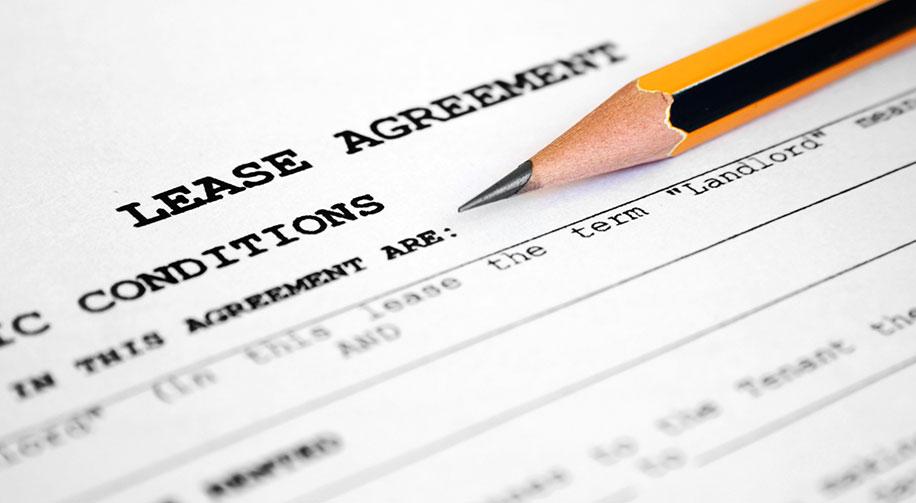 Cancel Lease Agreement, mosdell pama cox
Steps to Cancel a Rental Agreement
- Review the Lease Terms: Confirm the conditions under which you can cancel the lease.
- Write a Cancellation Notice: Draft a formal notice that includes your intention to cancel, effective date, and your contact information.
- Submit the Notice: Deliver the cancellation notice as specified in your lease via mail, email, or in person.
- Communicate with Landlord: Discuss your decision with your landlord to address any concerns or obligations.
- Follow Up in Writing: Ensure you have confirmation of the cancellation in writing.
Finalizing the Cancellation
- Complete a Walk-Through: Arrange a final walk-through with your landlord to assess the property's condition and identify any damages.
- Return the Keys: Return all keys to the property as agreed upon with your landlord. Obtain a written receipt for the keys.
- Obtain a Written Release: If possible, obtain a written release from your landlord confirming that you are released from all further obligations under the lease. This is especially important if you are negotiating a termination agreement.
Conclusion
Cancelling a rental agreement requires careful planning and adherence to proper procedures. By understanding your lease, communicating effectively with your landlord, and following the steps outlined in this guide, you can minimize potential legal and financial consequences and ensure a smoother termination process. It is always advisable to consult with an attorney to understand your rights and obligations under applicable laws in your jurisdiction.

explore further
Latest from Contemporary ideas
More from Innovations
Resources


