




Table of Contents
- Introduction
- Importance of Accessible Bathrooms for Seniors
- Why Accessible Bathrooms are Essential for Seniors
- Key Design Considerations for Accessible Bathrooms
- Specific Design Solutions and Features
- Conclusion
- Faq's
Introduction
As we age, everyday tasks can become more challenging, and the bathroom, often a source of potential hazards, requires careful consideration. Accessible bathroom design isn't just about compliance with regulations; it's about creating a safe, comfortable, and dignified space that allows seniors to maintain their independence and well-being. This guide will explore the importance of accessible bathrooms for seniors, key design considerations, and practical solutions to transform a standard bathroom into a haven of safety and comfort.
Importance of Accessible Bathrooms for Seniors
Bathrooms are statistically the most dangerous room in the home for seniors. Several factors contribute to this increased risk:
- Slippery Surfaces: Water and humidity create slippery conditions, increasing the risk of falls.
- Limited Space: Tight spaces can make maneuvering difficult, especially for those with mobility issues.
- Reaching and Bending: Tasks like getting in and out of the tub or using the toilet can be challenging and strain muscles.
- Reduced Strength and Balance: Age-related decline in strength and balance heightens the risk of falls.
- Vision Impairment: Poor lighting and diminished eyesight can make it difficult to navigate the bathroom safely.
An accessible bathroom directly addresses these challenges, significantly reducing the risk of accidents and promoting independent living.
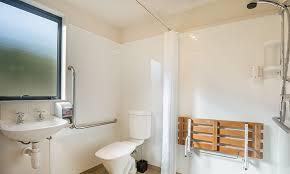 Bathrooms for Seniors,DesignCafe
Why Accessible Bathrooms are Essential for Seniors
Accessible bathrooms offer numerous benefits beyond safety:
- Fall Prevention: Grab bars, non-slip flooring, and walk-in showers drastically reduce the risk of falls.
- Increased Independence: Seniors can perform daily hygiene tasks with greater ease and confidence, maintaining their autonomy.
- Improved Comfort: Features like comfort-height toilets and adjustable showerheads enhance comfort and reduce strain.
- Enhanced Dignity: Accessible bathrooms provide a sense of privacy and control, preserving the senior's dignity.
- Peace of Mind: Knowing that the bathroom is safe and accessible provides peace of mind for both the senior and their loved ones.
- Supports Aging in Place: Allows seniors to remain in their homes longer, surrounded by familiar surroundings and memories.
- Potential Cost Savings: Prevents costly injuries and hospitalizations related to bathroom falls.
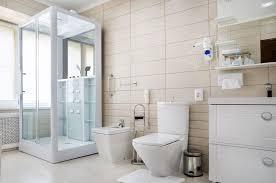 Bathroom design for elderly,Pinterest
Key Design Considerations for Accessible Bathrooms
Designing an accessible bathroom requires careful planning and attention to detail. Here are some key considerations:
- Space and Layout: Ensure ample maneuvering space for wheelchairs or walkers. A turning radius of at least 5 feet is recommended.
- Flooring: Choose non-slip flooring materials such as textured tile, rubber, or vinyl. Avoid glossy surfaces that can become slippery when wet.
- Lighting: Provide adequate and even lighting throughout the bathroom. Consider using brighter bulbs and adding task lighting to specific areas.
- Grab Bars: Install grab bars strategically near the toilet, shower, and tub to provide support and stability. Ensure they are securely mounted.
- Toilet Height: Install a comfort-height toilet (17-19 inches) to make sitting and standing easier.
- Shower/Tub Access: Opt for a walk-in shower with a low threshold or a roll-in shower for wheelchair accessibility. Consider a bathtub with a door for easier entry and exit.
- Faucet and Shower Controls: Choose easy-to-grip lever handles or touchless faucets. Install adjustable showerheads for added convenience.
- Storage: Provide accessible storage solutions such as pull-out shelves and adjustable-height cabinets.
- Emergency Call System: Install an emergency call system for seniors to call for help, if needed.
- Doorways: Doorways should be at least 32 inches wide to accommodate wheelchairs and walkers.
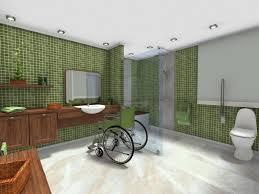 Senior home safety,Pinterest
Specific Design Solutions and Features
Here's a breakdown of specific solutions and features to incorporate into an accessible bathroom design:
- Walk-In Showers: Feature a low threshold or no threshold for easy entry. Include a built-in seat or a fold-down shower chair. Install adjustable showerheads and grab bars.
- Roll-In Showers: Designed for wheelchair users, these showers have a completely flat entry and ample space for maneuvering.
- Grab Bars: Install grab bars near the toilet, shower/tub, and sink. Use different lengths and angles to accommodate various needs.
- Shower Seats: Wall-mounted, fold-down shower seats provide a comfortable and safe place to sit while showering.
- Comfort-Height Toilets: These toilets are taller than standard toilets, making it easier to sit and stand.
- Handheld Showerheads: Allow for greater control and flexibility while showering.
- Lever-Handle Faucets: Easier to grip and turn than traditional knobs, especially for those with arthritis or limited hand strength.
- Non-Slip Flooring: Choose textured tile, rubber, or vinyl flooring to prevent slips and falls.
- Curbless Showers: Provide barrier-free access for wheelchairs and walkers.
- Adjustable Mirrors: Allow for optimal viewing from different heights, catering to both seated and standing users.
- Accessible Sinks: Choose sinks with shallow basins and open space underneath for wheelchair access.
- Adequate Lighting: Layered lighting with ambient, task, and accent lights can improve visibility and safety.
- Automatic Night Lights: Motion-activated nightlights can provide a soft glow to help seniors navigate the bathroom safely at night.
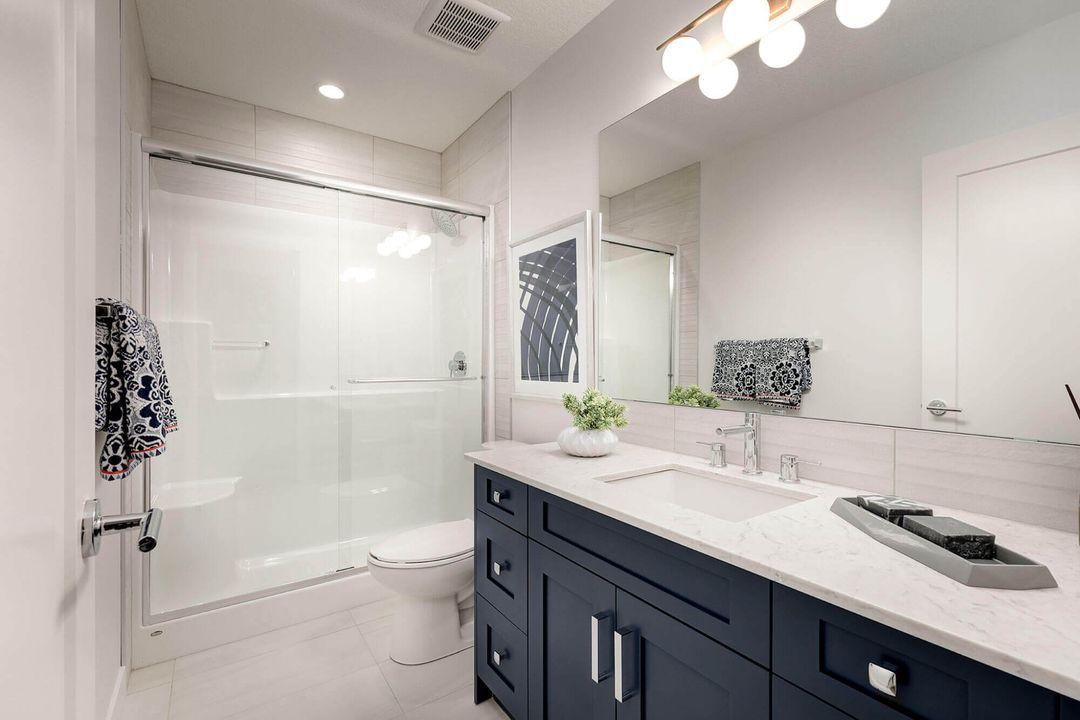 Specific Design Solutions and Features,Pinterest
Conclusion
Creating an accessible bathroom is a vital investment in the safety, comfort, and independence of seniors. By carefully considering the design principles and incorporating the specific features outlined in this guide, you can transform a potentially hazardous space into a safe and supportive environment that allows seniors to age in place with dignity and peace of mind. Remember to consult with a qualified contractor or occupational therapist to ensure the bathroom design meets the unique needs of the individual.

explore further
Latest from Contemporary ideas
More from Innovations
Resources


